


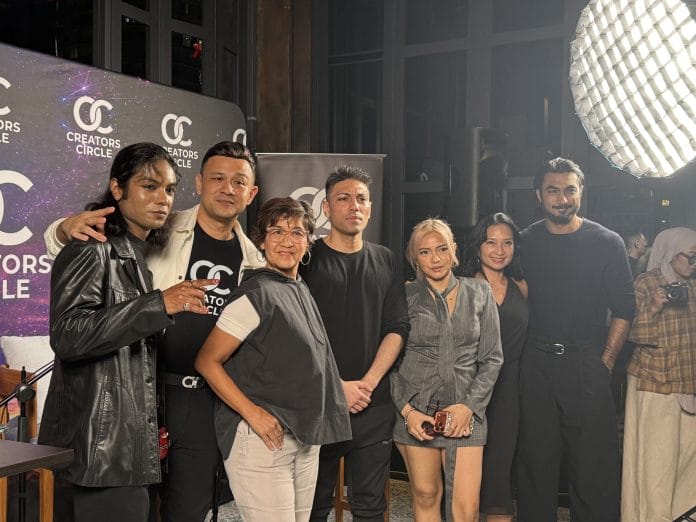
Can artificial intelligence create great art, tell meaningful stories and generate endless content? Probably. But can it replace human creativity? That was the question at the centre of Creators Circle: The Soul of Creativity — AI, Art & The Future of Human Imagination, held at Hyatt Centric Kuala Lumpur on June 4, 2026.
Bringing together founders, creators, media professionals and business leaders, the invitation-only event tackled one of the biggest questions facing the creative economy today: as AI becomes more capable, what makes human creativity valuable?
Moderated by Rizal Kamal, Founder of Creators Circle and CEO of LOL Asia, the discussion featured Yasmin Suleiman, CEO and Producer of Studio Voxel, and Raz Gabriel Sho, Creative Technologist and Founder of Pixel Crest. Rather than debating whether AI will reshape creative industries, the conversation focused on what happens next.
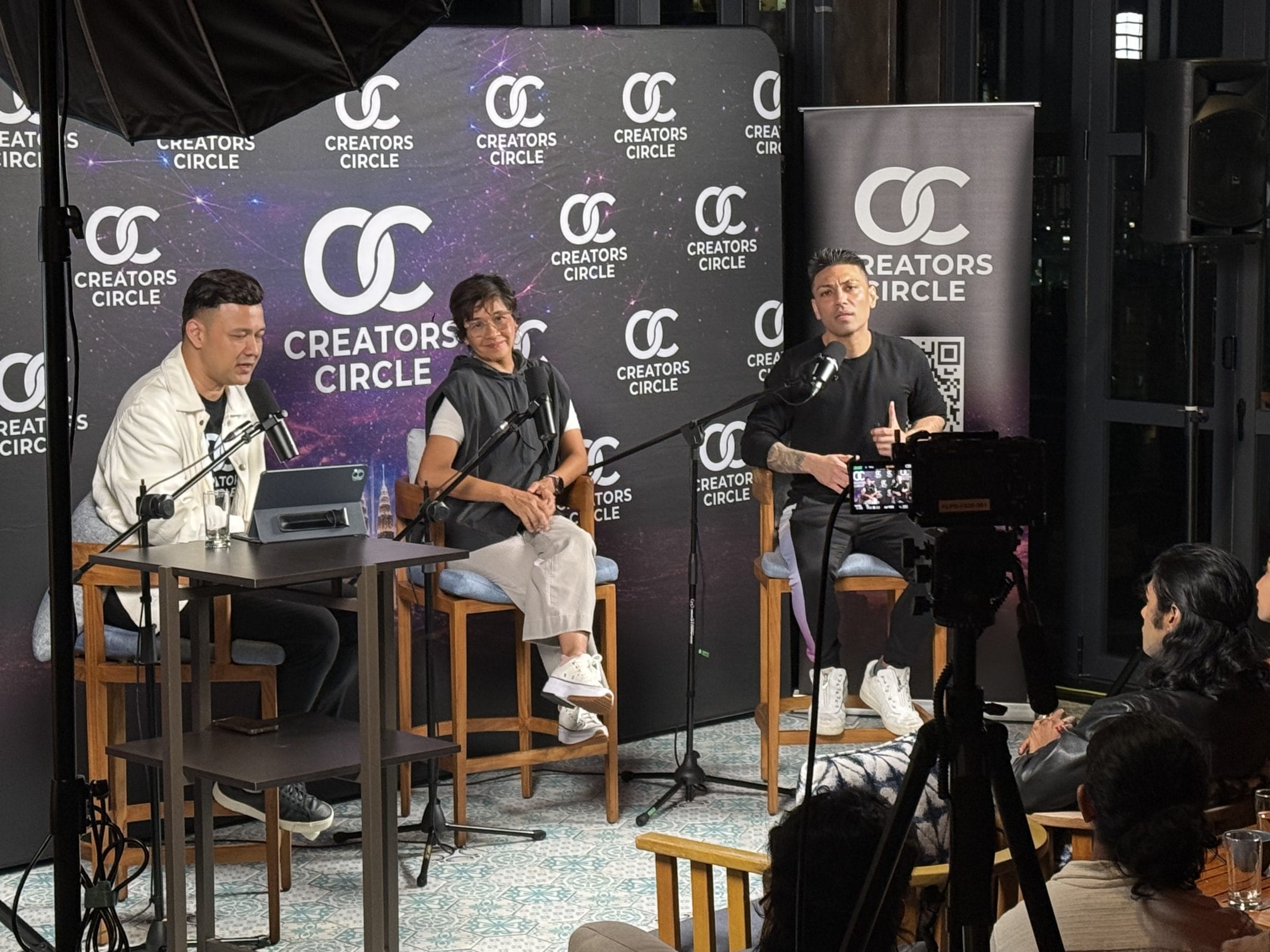
One message emerged clearly: AI is becoming a powerful creative tool, but not a replacement for human imagination. Across industries, creators are already using AI to speed up research, brainstorming, design and production. The advantage no longer lies in avoiding AI, but in knowing how to use it effectively while bringing something uniquely human to the process.
That human element may become increasingly valuable. As AI-generated content floods social media feeds, websites and digital platforms, authenticity is fast becoming a premium. Original perspectives, lived experiences and cultural understanding are qualities that cannot simply be generated on demand, making them important differentiators in an increasingly crowded content landscape.
The discussion also highlighted how AI is accelerating the emergence of a new creative economy. The lines between media, entertainment, gaming, technology and immersive experiences are becoming increasingly blurred, creating new opportunities for businesses, creators and entrepreneurs who can adapt to rapidly changing consumer behaviour.
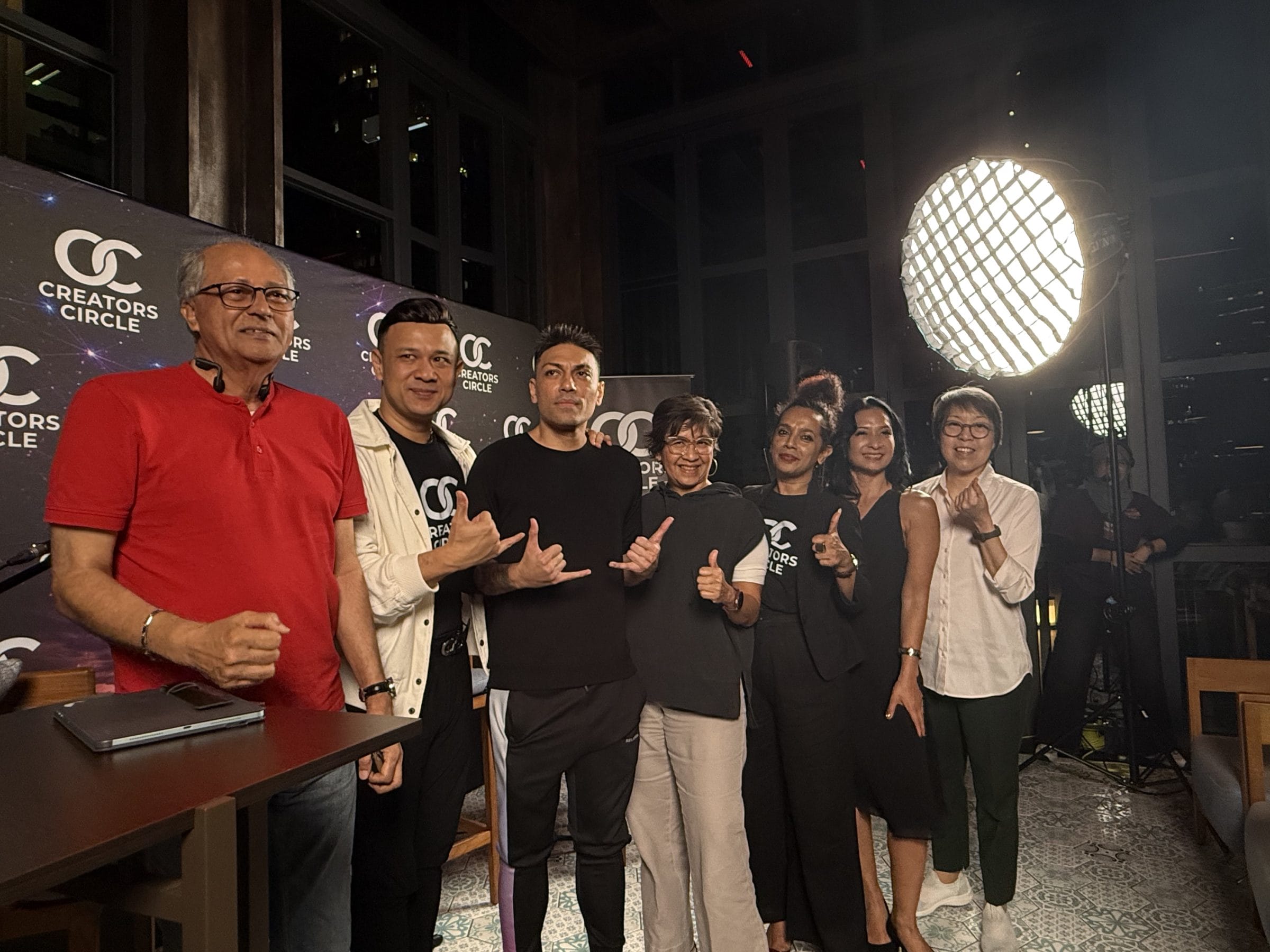
For creative professionals, the shift is also changing what it means to stay competitive. Technical execution is becoming more automated, placing greater value on skills such as critical thinking, adaptability, emotional intelligence and creative problem-solving. These are the capabilities that help people create ideas, connections and experiences that resonate beyond algorithms.
The conversation also turned to Southeast Asia’s growing role in the future of creativity. With a young, digitally connected population and a thriving creator economy, the region is well positioned to shape the next wave of human-centred innovation. The challenge, speakers noted, is ensuring technology enhances creativity rather than reducing the need for it.
Ultimately, the discussion moved beyond the idea of humans versus machines. Instead, it focused on how AI and people can work together. While technology will continue to transform how content is created, the consensus in the room was that imagination, empathy, cultural awareness and original thinking remain the qualities that give creative work its meaning.
As AI becomes a bigger part of everyday life, the question is no longer whether the technology will change the creative industries. The real question is what role humans will choose to play in shaping what comes next.


