



The Olive Tree Group’s Managing Director, Leslie Gomez shares on staying ahead in the F&B ecosystem and how he keeps both modernity and tradition alive in his establishments.
18 years and 17 branches, The Olive Tree Group is no stranger to F&B enthusiasts nationwide. With a start that originated all the way back in India, the group now has presences city-wide in the form of bars, clubs and fine-dining restaurants that have attracted attention from food enthusiasts all the way to the Prime Minister.
“It’s not an easy industry to be part of, but a lot of trial and error has gone into getting the Group to where it is now. And of course, a lot of patience.” says Leslie Gomez, Managing Director of The Olive Tree Group.
“We emphasise on our branding. People should recognise us not just as individual entities across the state, but as The Olive Tree Group entirely,” he adds.
Rethinking Business Operations
With more than a decade in the industry, Leslie has been through it all. However, not all crises are the same and the recent Covid-19 pandemic has gotten him rethinking the way the business should be run and what a business model could look like in the new normal.
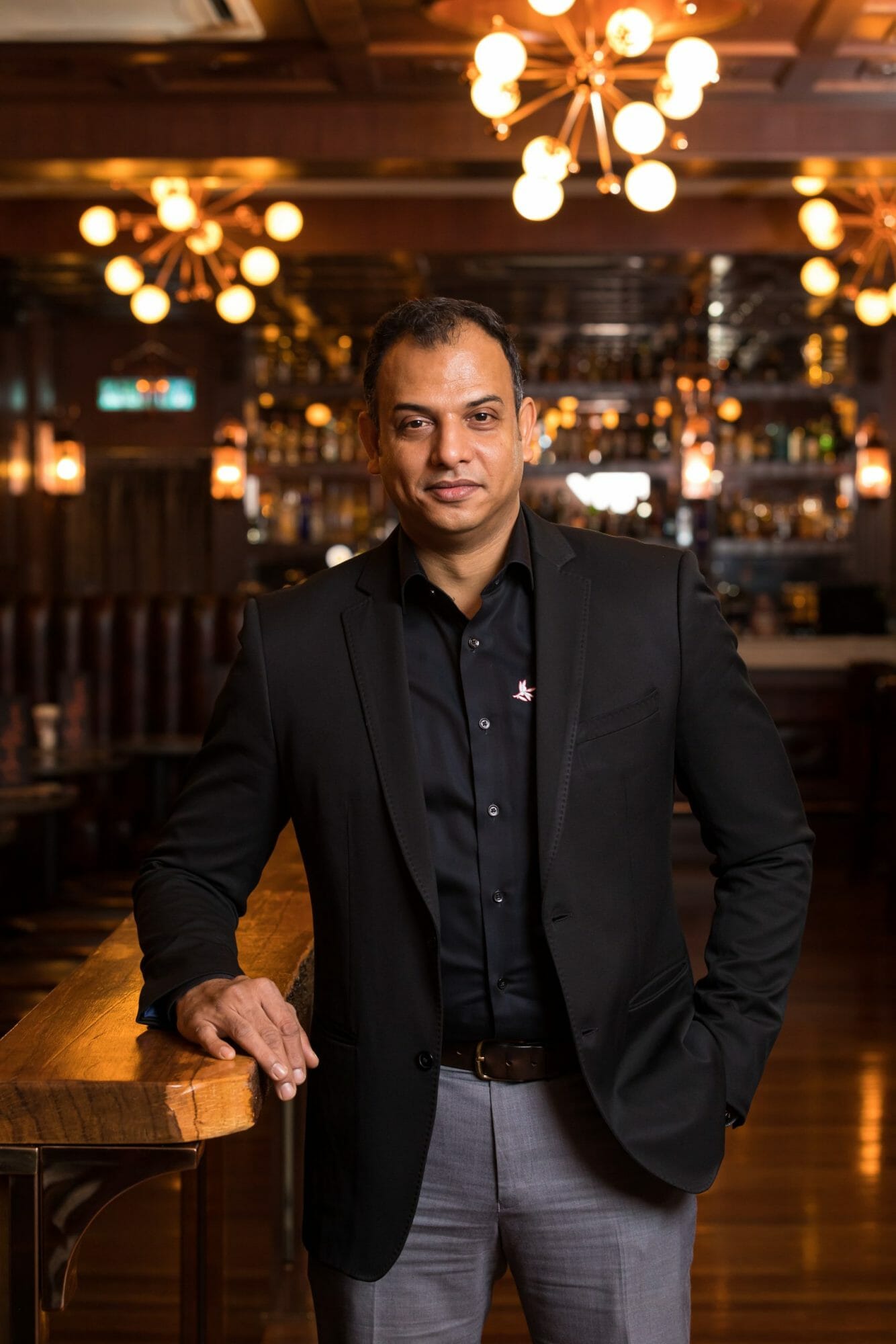
“In this business, when one sector gets affected, the others feel it. For instance, price increase on raw materials will affect the rest of the sectors that are tied to the F&B business as well,” Gomez highlights,
The pandemic brought on a new series of challenges. Along with other industry players, the group has had to cut down on staff and halt ongoing expansion plans. With around 10 percent of the staff cut, Gomez and his team started to think how they wanted to position themselves in time to come.
“We started considering our locations, cost-controls and even held talks with landlords.”
“We started seeing the signs in the last week of December 2019 when our Mainland China clientele was on the decline. In January, we started tightening up a few things and came March, where the lockdown began,” Gomez shares.
If there was one thing he learnt during the pandemic, was to never take things for granted ever again. It destroyed many aspects of the business, and long-term planning was no longer on the table.
“If you are going to ask me my plans for the next 6 months, I would rather focus on what to plan for tomorrow. We do not know what’s going to happen next, at one point it was either stay open or close down,” he says.
When the protocols were clearer and started to shape up, the F&B sector opened in May 2020 where social distancing was required, and number of customers were limited according to the space size of the restaurant.
But that did not mean the group was in the clear. With closing time set at 10pm, restaurants under the group that cater to after work office staff were only able to serve their customers for two to three hours.
“We had to adapt, and I think what saved us was our capability to run our kitchen full-time, so we turned to delivering our food right to our customers’ homes. We adopted the standard protocols and by the time we had the second MCO, we knew what to do immediately.”
“I think for whatever comes next, we need to be on our feet and be more prepared,” Gomez tells BusinessToday.
Diversifying The Right Way
With notable names like Rock Bottom and Frangipaani, the Olive Tree Group was already well on their way with the right diversification model.
“We specialise in different dining concepts and that has worked well for us. I am well aware of new concepts that have popped up even prior to the pandemic and the ones that have mushroomed during it, but I am sticking to the route that I am on now.”
“I want to create a place that makes people comfortable and to earn their trust. My business has only grown to where it is now because my clients trust me and their returning footfall is a testament to that,” he highlights.
Commenting on the rising trend of adopting robot servers, Gomez says he will not have robots roam around his branches, and it is certainly not what he wants to meet his customers in person.
“You do not need a robot doing everything. I want to increase the jobs we can create and get more people on board. You need the human touch and that is certainly more important in the F&B industry,” he stresses.
While some might argue that adopting robots can increase efficiency and decrease costs in the long run, he feels otherwise. “To serve my customers, I would rather have a person do it. We really do not have to change everything.”
Gomez is also not keen to diversify into the delivery service. While he does have a set of riders to do the necessary, he has no plans to create his own delivery service.
A New Era
Moving forward, the group is looking to enter the franchising business and to do so, Gomez and his team are set on centralising their operations. Plans to do so were set to take place last quarter but with Covid-19 derailing all plans to do so, the Group had no choice but to push their plans.
While he is open to the idea of having a cloud kitchen, having all the cooking done in one place, Gomez still believes that having each branch have their kitchen will help to maintain the quality they want to reassure their customers with.
As the progress for a possible franchising is taking place, Gomez also tells BusinessToday there are plans to open up more outlets and he is seeing the demand for it. Despite the surge in demand for food delivery, the managing director says people have started to come out and they want a good experience of dining out now more than ever.
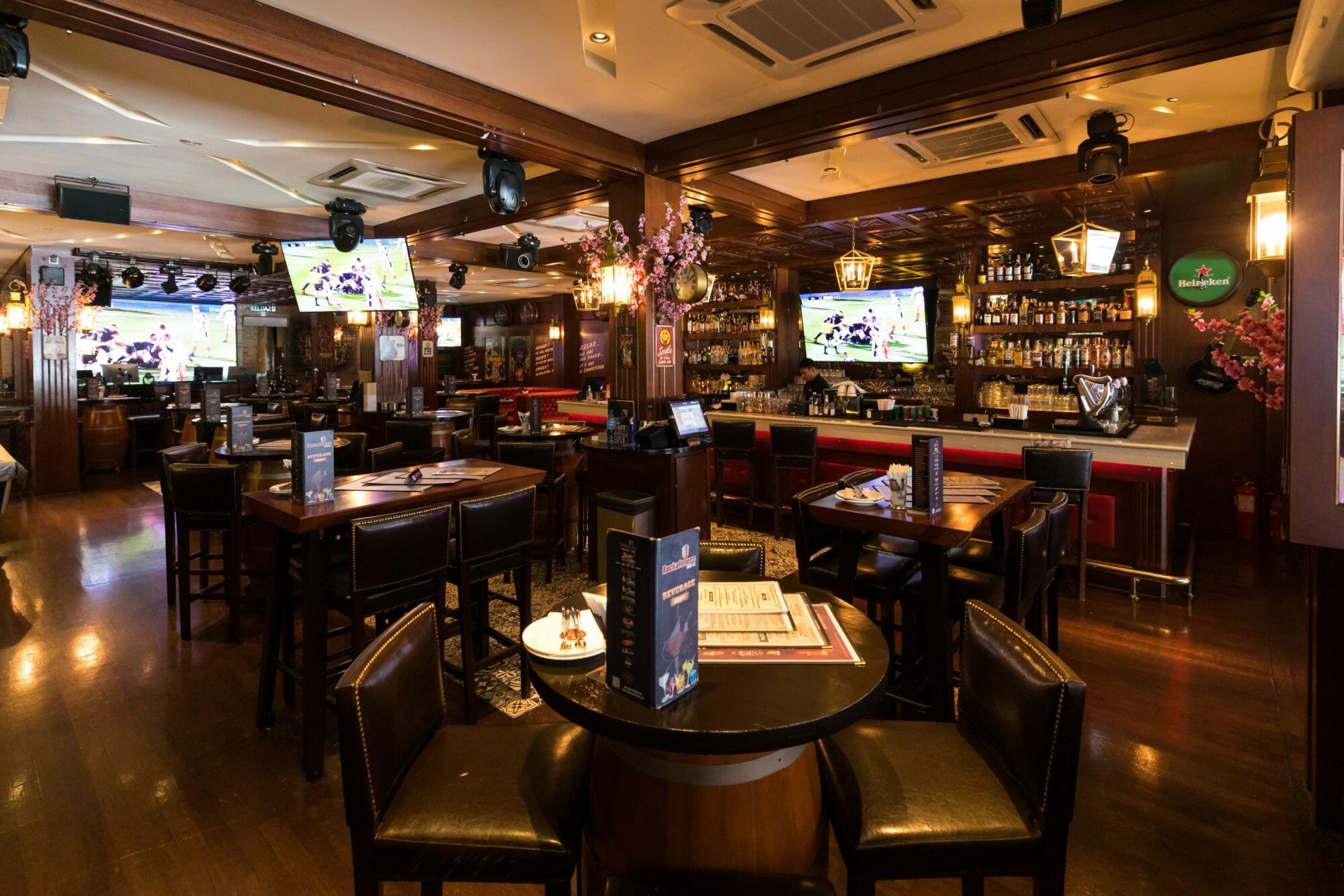
“Quantity and quality are important and value for money equally so. Nowadays, plating is vital. Without any of these, customers will start finding other places that can offer them all these.”
“The only way to hold your customer is to make sure you serve them the way you would want a restaurant to serve you. The best version there is.” Gomez says.
He further shared that to keep things exciting for his customers, several of his restaurants redo their menus every 6 months and try their best to elevate the existing menu to newer heights.
Good Foundation, Good Future
With a good foundation, Gomez believes business operations often strengthen in time and will accommodate changes fairly quickly. “Leaders have to understand their company is not just about one person, it’s about the whole foundation that runs the show.”
“People who work for you need to also think like you. That is an important aspect of running a business. Everyone in the company should represent it equally.”
“I want people to know the Group by its name and not just the individual bars and restaurants we own, and this can be done through the personal relationship we aim to build with everyone,” Gomez tells BusinessToday.
“My customers and those who work for the Group are my backbone. If I take care of them well, they will do the same for me. You give and you get.” he concludes.


