


As global palm oil production soared to approximately 78 million metric tonnes in 2023, the challenge of managing the substantial waste generated from this industry has grown more pressing.
Malaysia’s palm oil industry processes 115.86 million tonnes of Fresh Fruit Bunches (FFB) annually, resulting in substantial solid and liquid waste. This waste includes palm trunks, decanter cake, Empty Fruit Bunches (EFB), fibre, and shells.
Traditionally, waste from palm oil production, including empty fruit bunches (EFB), decanter cake, and other byproducts, would be disposed of in landfills or used as low-value animal feed. This method not only poses environmental challenges but also fails to utilise the full potential of the waste.
Recently, BusinessToday spoke to BioLoop, CEO and Co-founder, Mah Jun Kit to discuss about the redefinition of palm oil waste management by their company, through the use of Black Soldier Fly Larvae (BSFL).

“We focus heavily on palm oil byproducts, converting waste into high-value protein and organic fertiliser,” Jun Kit said.
“This approach not only addresses protein and fertiliser shortages but also revolutionises organic waste management by significantly reducing greenhouse gas emissions,” he added.
Black Soldier Fly Larvae
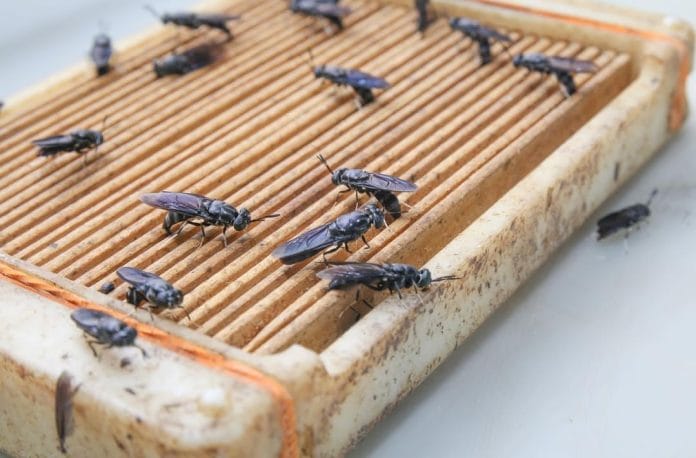
Black soldier fly larvae (BSFL), according to Jun Kit are a crucial component in the innovative approach to waste management and sustainable agriculture, particularly within the context of the palm oil industry. These larvae, from the species Hermetia illucens, are known for their efficiency in converting organic waste into valuable protein-rich biomass and nutrient-dense fertiliser.
The lifecycle of BSFL is remarkably short, taking approximately 45 days from egg to adult fly, with the larval stage lasting only about 13 days. This rapid growth cycle makes them exceptionally efficient at processing large quantities of organic waste quickly.
In the context of the palm oil industry, which produces significant amounts of organic waste, BSFL provide a sustainable solution to waste management. Jun Kit shared that the process involves collecting palm oil waste and feeding it to the larvae. As the larvae consume the waste, they grow rapidly, accumulating valuable nutrients. After reaching a certain size, they are harvested and processed into protein-rich feed for poultry, fish, and other animals. The residue left behind by the larvae, known as frass, is an excellent organic fertiliser, rich in nitrogen, phosphorus, and potassium (NPK), which are essential for plant growth. This not only provides a sustainable source of animal feed and fertiliser but also helps reduce the environmental impact of palm oil waste by diverting it from landfills and reducing greenhouse gas emissions.
How Does BSFL Technology Impact Economic Sustainability in Waste Management?
“This is a new industry and requires new skill sets,” Jun Kit commented on the economic impact of using black soldier fly larvae (BSFL) for palm oil waste management.
The implementation of BSFL-based waste management systems requires a range of new skill sets and labor, particularly in rural areas where palm oil mills are often located. These regions typically have fewer job opportunities, and the introduction of such innovative technologies provides meaningful employment to local communities. This not only boosts the local economy but also helps retain talent within rural areas, preventing urban migration.
Jun Kit also said BSFL technology opens up new revenue streams for palm oil producers. Traditionally, waste byproducts like decanter cake and empty fruit bunches have limited economic value and are often disposed of cheaply. By converting this waste into high-value products, such as protein-rich animal feed and organic fertilisers, palm oil mills can generate additional income.
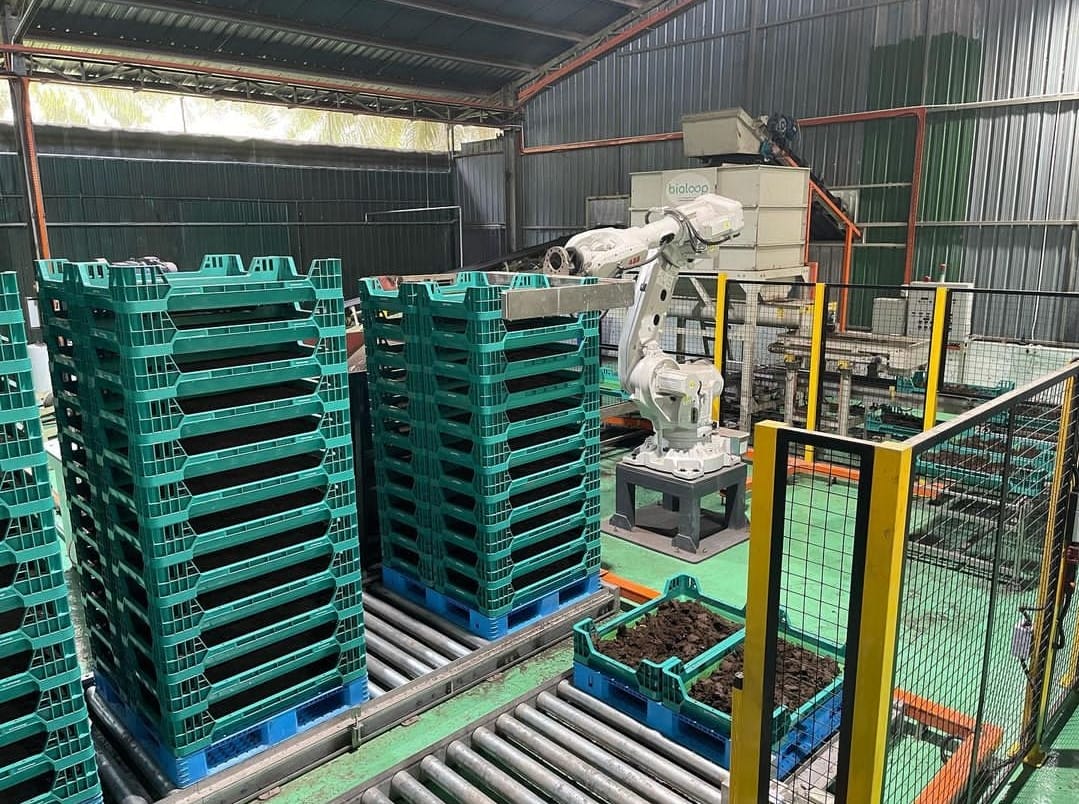
Utilising BSFL for waste management, according to Jun Kit can lead to considerable cost savings. The larvae effectively reduce the volume of waste that needs to be managed, lowering disposal costs and decreasing the need for landfill space. Additionally, the conversion process results in valuable byproducts that can replace more expensive conventional animal feeds and fertilizers.
“For instance, the protein-rich feed produced from BSFL can be a cost-effective alternative to fishmeal and soy-based feeds, which are subject to price volatility and supply constraints,” Jun Kit added.
Jun Kit also emphasised the significant investment opportunities within the black soldier fly larvae industry. He noted the substantial funding raised by companies in this sector, highlighting the growing interest and financial backing it has garnered. “I saw a lot of money being raised in this industry,” he said.
Sustainability and Environmental Impact
The innovative approach of using Black Soldier Fly Larvae (BSFL) for palm oil waste management not only creates significant economic opportunities but also has profound impacts on sustainability and the environment. This method addresses critical environmental issues such as waste management, reduction of greenhouse gas emissions, and the sustainable production of high-quality protein and organic fertilisers.
By diverting palm oil mill waste from landfills, where it would decompose and emit methane and carbon dioxide, BSFL processing significantly reduces greenhouse gas emissions.
Moreover, the production of organic fertilisers from BSFL frass supports sustainable agriculture.
This fertiliser is rich in organic matter and essential nutrients, which can improve soil health and reduce the reliance on chemical fertilisers. Additionally, the lifecycle of BSFL allows for rapid and efficient waste conversion.
Transforming Waste into Wealth
BioLoop’s innovative use of Black Soldier Fly Larvae in managing palm oil waste presents a compelling solution to one of the industry’s most pressing issues.
By converting waste into valuable resources, the method not only mitigates environmental impact but also fosters economic growth and sustainability.

