As Malaysia stands on the brink of becoming an aged nation by 2030 according to the United Nations, with projections indicating that 15% of the population will comprise seniors, the need for proactive health measures has never been more pressing.
In this context, AmLife International stands out as one of the leading advocate for the importance of lifestyle changes in preventing strokes and other degenerative diseases among the elderly.
Recent statistics reveal that stroke is the third leading cause of death in Malaysia, with approximately 50,000 new cases reported annually. Globally, around 15 million people suffer from strokes each year, highlighting the urgent need for preventative strategies.
Research suggests that up to 80% of strokes can be prevented through lifestyle modifications, such as improving sleep quality and increasing physical activity.
The Sleep-Health Connection
According to the National Health and Morbidity Survey (NHMS) 2019, individuals with insomnia are 30% more likely to develop cardiovascular diseases, including stroke.
Quality sleep is essential for repairing and regenerating the body, serving as a protective factor against various health issues.
“Sleep disorders can significantly affect cardiovascular health, increasing the risk of stroke,” said Lew Mun Yee, Founder and President of AmLife International in a recent interview with BusinessToday.

“Stroke is not just an individual problem but one that impacts families both physically and financially,” he added.
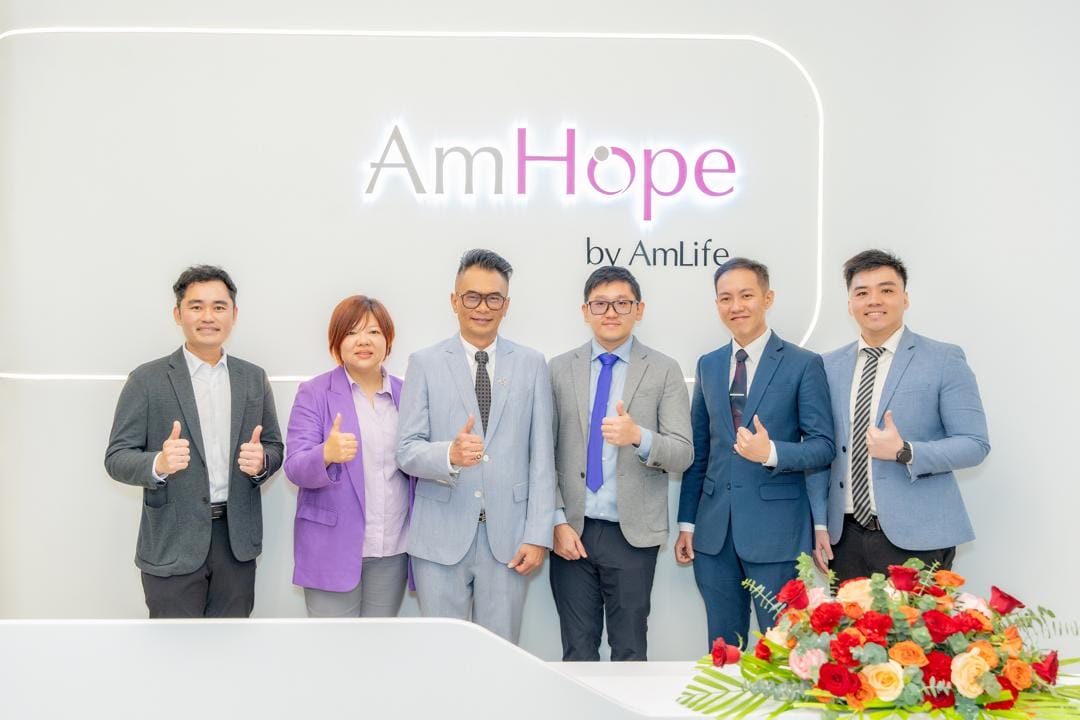
To address these challenges, AmLife recently launched AmHope, a rehabilitation and regenerative center focused on assisting seniors facing the repercussions of strokes and other health issues.
With an investment of RM1.4 million, AmHope aims to provide accessible care while promoting preventative health measures.
“To mark AmLife’s 10th anniversary, we are investing RM1.4 million to establish AmHope – a rehabilitation and regenerative centre designed to help seniors overcome the challenges of stroke and other physical health issues, enabling them to live a dignified and quality life.
AmHope represents a significant advancement in stroke rehabilitation and a beacon of hope for those facing these challenges,” Lew Mun Yee said.
The Importance of Early Intervention and Rehabilitation
Experts emphasised that the first 90 days following a stroke are critical for recovery. Engaging in rehabilitation during this period significantly increases the chances of regaining lost functions.
Dr. Khoo Ching Soong from the Faculty of Medicine at Universiti Kebangsaan Malaysia highlighted, “Patients need intensive rehabilitation to recover motor, speech, and cognitive functions. Early intervention is vital for the best recovery outcomes.”
Unfortunately, many stroke patients miss this crucial window due to financial constraints, resulting in lasting physical impairments. To address this issue, AmLife offers substantial financial aid to assist stroke patients facing such challenges charging only RM30 per physiotherapy session for patients with a medical report of their stroke, compared to the market rate of RM150.
This 80% financial relief extends to all equipment and high-function treatments at the center, embodying a charity-inspired model of care.
Furthermore, it is a known fact that recovered stroke patients are at risk of experiencing a second stroke within three to five years after their first recovery. The company addresses this concern by offering pioneering technology, including High Potential Hydrogen Therapy (HPHT) to help reduce the likelihood of a second stroke.
In addition, Hyperbaric Oxygen Therapy can accelerate the healing process for various conditions, including chronic wounds and brain injuries.
Patients can also benefit from their signature Japanese patented technology—Electric Potential Therapy—which recharges the body’s regenerative and cardiovascular abilities while resting or sleeping, making it particularly suitable for immobile stroke patients.
The company also recognises the challenges some patients face in accessing rehabilitation services. Currently, the center provides a shuttle service for customer transportation at a fee of RM1/km.
In the near future, they plan to roll out a mobile truck equipped with various rehabilitation tools to serve local communities, ensuring that essential services reach those in need.
As Dr. Khoo emphasises, “Recovering from a stroke is different for everyone. However, the first 90 days are essentially a critical time window.
During this time, patients require intensive rehabilitation to improve their motor, speech, and cognitive functions, alongside lifestyle changes and mental health support for the best chances of recovery.”
He adds that there are numerous methods available to facilitate stroke recovery.
In addition to traditional rehabilitation therapy and exercise, alternative approaches, such as repetitive transcranial magnetic stimulation (rTMS), a non-invasive medical procedure, hold the potential to benefit a range of motor and cognitive outcomes after a stroke.
The Role of Physical Activity
Staying physically active is paramount for preventing strokes. A decade-long study involving over 16,000 healthy men revealed that those with higher levels of cardiorespiratory fitness had a 68% lower risk of stroke and stroke-related deaths compared to their less fit peers.
Dr. Choo Hao Jian, Director of Senior Care at AmHope, noted, “Keeping mobile and active is crucial in preventing many cardiovascular and muscle loss issues.”
Incorporating exercise into daily routines can mitigate the risk of degenerative diseases and promote overall health among seniors.
With a range of innovative therapies, including High Potential Hydrogen Therapy and Hyperbaric Oxygen Therapy, AmHope is positioned to revolutionise stroke rehabilitation and recovery.
As Malaysia navigates the complexities of an aging population, prioritizing preventative health measures will be crucial.
By emphasising the importance of lifestyle changes—such as quality sleep, physical activity, and early intervention—Malaysia can pave the way for healthier, more resilient seniors.
Through initiatives like AmHope, the path toward enhanced senior health and well-being is more attainable than ever.