



Selangor Highlights Economic Value of Care Sector At SICS 2025
In an exclusive interview with BusinessToday, YB Puan Anfaal binti Saari, Selangor’s Executive Councillor for Women Development and Social Welfare, shares insights on the pioneering role Selangor is playing in developing Malaysia’s first state-level care economy policy.
She highlights how the upcoming Selangor International Care Summit (SICS) 2025 aims to elevate the sector’s economic and social importance, with ambitious plans to integrate caregivers, businesses, and policymakers.
Selangor is currently the only state in Malaysia with a dedicated care economy policy, launched in November 2024.
The policy includes 39 action plans within 19 strategies running until 2030, focusing on advocacy and promotion, governance and regulation, upskilling of care workers, collaboration, and the use of technology. “Care is often seen purely from a welfare perspective, but it has significant economic value,” said Puan Anfaal.
Tackling Gender Gaps and Unpaid Care Work
This integrated approach aligns with seven Sustainable Development Goals (SDGs), recognising that 90% of caregivers are women. Selangor is working to increase women’s participation in the formal workforce, combating the undervaluation and underpayment of caregiving roles.
Statistics reveal that 69.9% of women in Selangor participate in the labour force compared to 80% of men. Many women remain outside formal employment due to unpaid caregiving responsibilities.
In response, the state has trained over 1,000 home-based childcare providers and provided grants to 200 nannies to improve safety and quality standards. The initiative addresses issues such as unregulated babysitting for children under three, where most house accidents occur.
The policy also considers the challenges of an ageing population. By 2030, Malaysia will become an ‘aged society’, with 15.3 per cent of its population projected to be 60 years and above.
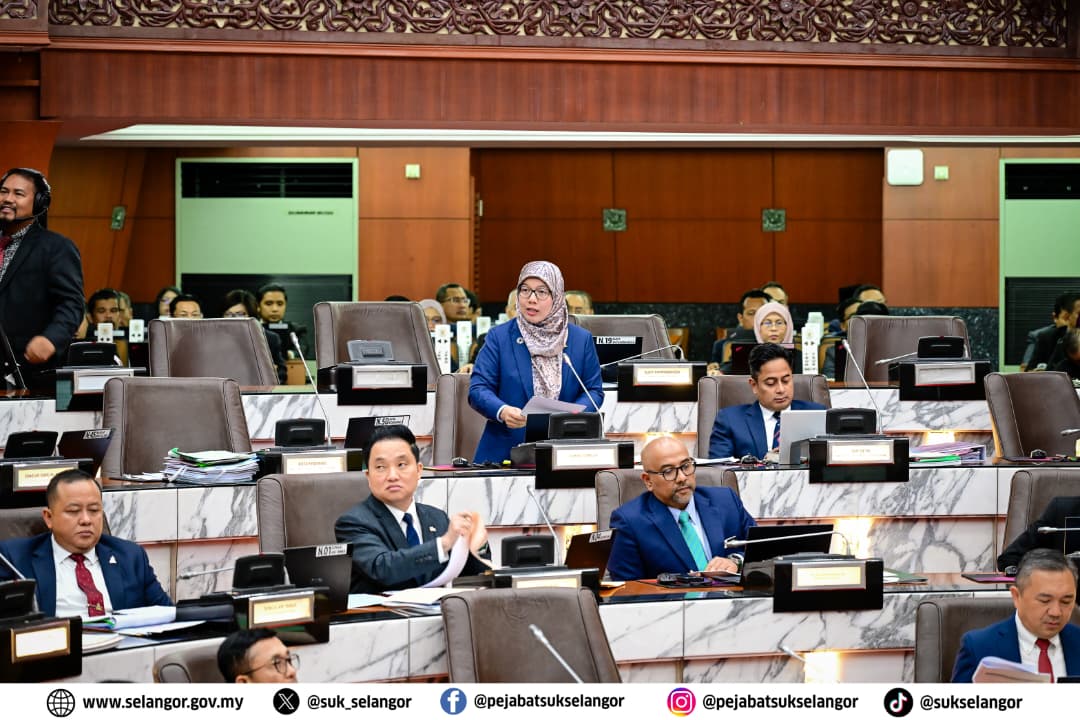
“We must prepare the infrastructure, regulations, and skilled workforce to meet this need,” she said, noting the current regulatory overlaps between federal ministries and local councils that can hinder care facility development.
A Platform for Collaboration
The upcoming 2025 International Care Summit aims to amplify these efforts, featuring keynote speakers from Australia, including Emma Walsh of Parents at Work, who promotes family-friendly workplace policies.
The summit will also address corporate social responsibility through the social (S) component of Environmental, Social, and Governance (ESG) criteria, encouraging workplaces to be supportive of employees with caregiving responsibilities.
Anfaal emphasised the importance of raising public awareness and fostering policy dialogue during the summit. Themes will include care models, financing, and sustainability.
The event offers delegates opportunities to participate in breakout sessions, debates, and business matching with exhibitors from hospitals, pharmaceuticals, local councils, and assistive technology companies.
Economic Value of the Care Sector
On the economic impact of the care sector, Anfaal referenced research valuing unpaid housework and caregiving by women at RM379b annually in Malaysia.
She noted that recognising women’s unpaid contributions in caregiving via frameworks like the care economy unlocks innovative pathways to increase female workforce participation. For instance, community childcare centres can enable rural women to acquire skills and earn an income while ensuring child care.
The care economy is especially relevant as many Malaysians juggle the “sandwich generation” roles of caring for both children and elderly parents while working.
Selangor’s care policy envisions a hybrid care model where responsibilities are shared across government, the private sector, families, and communities, tailored to diverse socio-economic groups. The goal is to destigmatise caregiving as women’s unpaid duty and create equitable opportunities.
Global Recognition and Technology Leadership
Internationally, Selangor is recognised as a progressive leader in care policy development. Anfaal has presented the state’s initiatives at UN Women forums and in countries like Japan and Korea, where innovative care finance models such as compulsory insurance exist.
Selangor also leads in technology integration with its AI-driven portal Sejagat, consolidating care-related services and resources, gaining praise from UNICEF.
Anfaal cited examples from Australia’s La Trobe University Care Economy Research Institute and Japan’s Long-term care insurance (LTCI) as inspirations for Selangor’s care finance discussions. She is actively working with federal bodies to advance legislation securing caregivers’ professionalism and rights.
Opportunities for Corporate Malaysia
For corporate Malaysia, the summit offers opportunities to explore partnerships, investments, and innovations in the care sector. “Beyond exhibitions, we’re offering business matching sessions for companies, SMEs, and individuals interested in entering the care industry,” Puan Anfaal said.
She hopes to encourage corporate leaders to adopt policies and partnerships that support employees with caregiving responsibilities.
Inviting all Malaysians, she stressed that the care economy affects everyone, from parents of young children to those supporting elderly relatives. “We want to destigmatise care as solely a woman’s role and instead share responsibility between the government, private sector, families, and communities,” she added.
With 13 regional speakers confirmed alongside representatives from UN Women, Khazanah, and the World Bank, SICS 2025 promises to be a platform for shaping the future of the care economy in Selangor and beyond.
The Selangor International Care Summit (SICS) 2025 is one of the key components of the Selangor International Business Summit (SIBS), taking place from October 9–11, 2025 at the Kuala Lumpur Convention Centre (KLCC).
For more information on SICS 2025, visit www.selangorcaresummit.com


