


The 47th ASEAN Summit in Kuala Lumpur placed Southeast Asia firmly in the global spotlight as U.S. President Donald Trump presided over the signing of several key economic and diplomatic accords — including the landmark Kuala Lumpur Peace Accord between Cambodia and Thailand and a long-awaited reciprocal trade agreement between the United States and Malaysia.
Kenanga Research notes that the U.S. also unveiled separate trade frameworks with Thailand, Vietnam, and Cambodia, signalling Washington’s renewed push to deepen market access and economic ties with ASEAN as a counterbalance to China’s growing regional influence.
Malaysia–U.S. Trade Agreement: Key Highlights
The U.S.–Malaysia deal, anticipated since August, aims to reduce tariff and non-tariff barriers, enhance bilateral trade, and diversify critical supply chains. A Memorandum of Understanding (MoU) was also signed on critical minerals cooperation, underscoring Malaysia’s growing strategic role in global rare earth and semiconductor ecosystems.
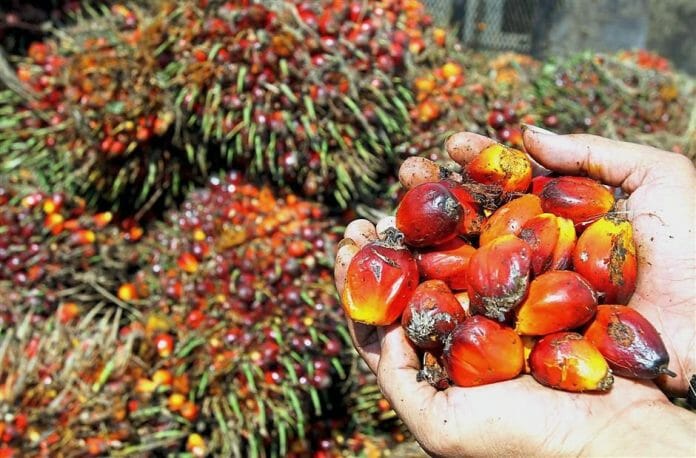
Among the major concessions, Washington granted Malaysia zero-rated tariffs on 1,711 products, valued at approximately USD5.2 billion — or about 12% of Malaysia’s total exports to the U.S.. Key beneficiaries include the palm oil, rubber, cocoa, pharmaceutical, and aerospace sectors.
The house added that while the exemptions are “sizeable,” Malaysia is not alone — Vietnam and Thailand are also expected to receive similar treatment under their respective frameworks.
Malaysia’s Commitments to the U.S.
In return, Malaysia reaffirmed several commitments first proposed in August like the procurement of 30 aircraft (with an option for 30 more); USD150 billion in purchases by Malaysian MNCs, covering semiconductors (USD103b), data centres (USD43.5b), and aerospace components (USD3.5b); Annual LNG purchases worth USD3.4 billion; and USD70 billion in Malaysian capital investments in the U.S., including manufacturing and technology-linked ventures.
Additionally, Malaysia agreed to waive Universal Service Provision (USP) fund contributions for U.S. cloud service providers and to consult Washington on certain technology security matters, particularly concerning ICT infrastructure suppliers.
Operational Questions and Risks
Kenanga cautioned that some operational details remain unclear, including the timeline for meeting the USD150b procurement commitment and the flexibility in enforcement. The agreement also contains provisions allowing the U.S. to reinstate higher tariffs — up to 25% — should the pact be terminated or its conditions breached.
Sector Implications
Banking: Local banks are expected to benefit as facilitators of trade and investment flows, with potential FDI inflows into critical minerals, energy, and infrastructure sectors. Kenanga’s top pick: AMBANK (Outperform, TP: RM6.90).
Plantation: The confirmation of zero tariffs on palm oil is a mild positive, though Indonesia’s inclusion means no major competitive edge. Sector picks: KLK (OP; TP: RM24.00), HSPLANT (OP; TP: RM2.40).
Technology: Malaysia’s semiconductor carve-out and potential 0% tariff listing reinforce its standing as a “trusted supply chain partner.” This is expected to benefit EMS and semiconductor firms, possibly diverting demand away from regional rivals. Top tech pick: KGB (OP; TP: RM6.15).
Eyes on Next Phase: U.S.–China Trade Framework
Attention now turns to the upcoming U.S.–China meeting in Seoul later this week, where Treasury Secretary Scott Bessent confirmed that a framework for a trade deal has been reached. China has echoed that “a preliminary consensus” has been achieved — raising hopes that the 100% U.S. tariff threat on Chinese imports set for 1 November could be lifted.


