



Malaysia has been ranked the highest among ASEAN members for its climate finance policies, according to a new international assessment by UK-based think tank Positive Money.
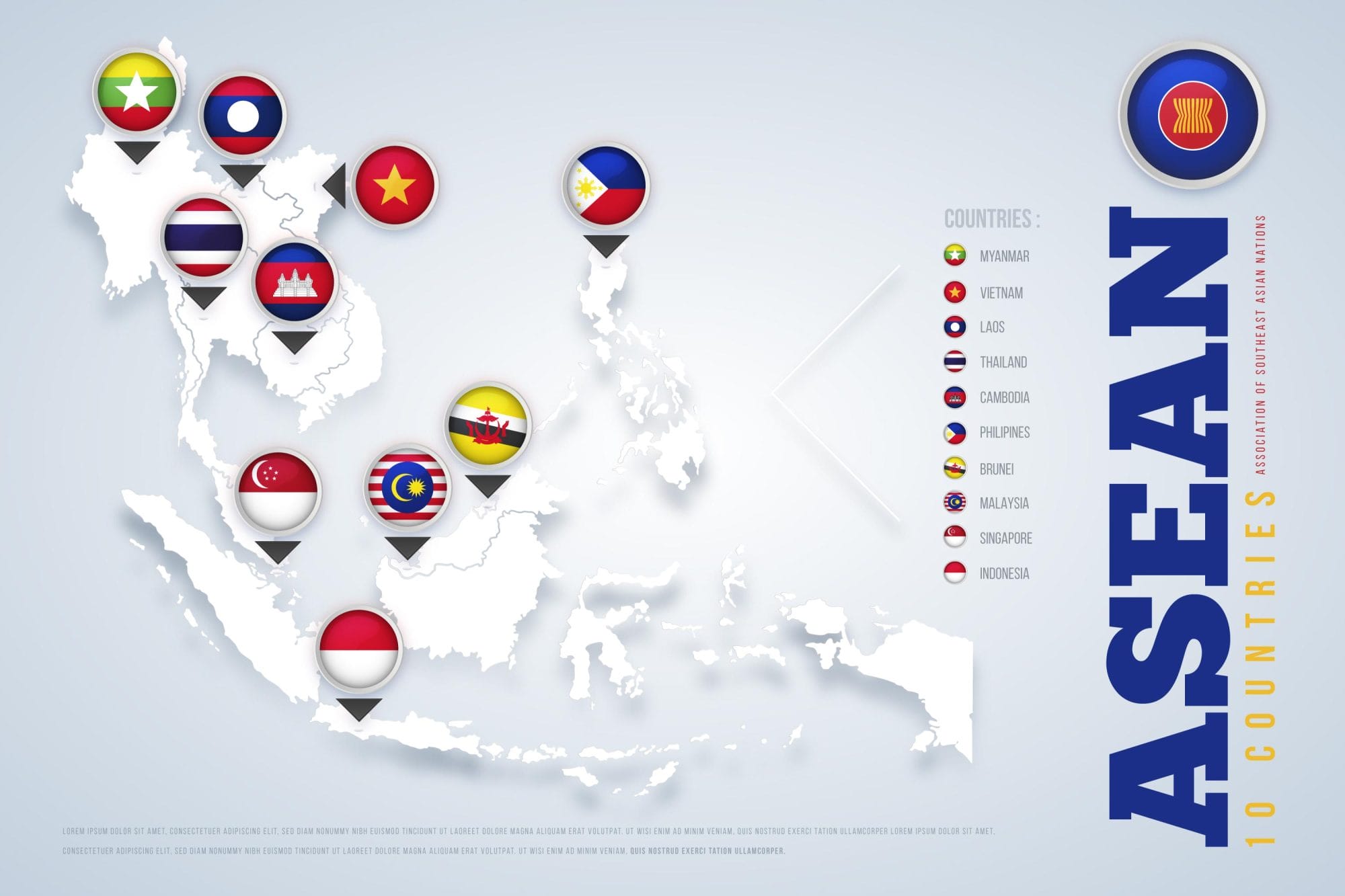
The report, issued before the ASEAN Summit in Kuala Lumpur, assessed 13 economies within the ASEAN+3 group, comprising the 10 ASEAN nations, China, Japan and South Korea, with a focus on the effectiveness of their financial regulators and central banks in mitigating climate-related risks.
In the overall ASEAN+3 ranking, Malaysia placed second after China, making it the top-ranked ASEAN country. The report noted that Malaysia “stands out as the biggest outperformer of its GDP and emissions ranks within the ASEAN+3” due to the ongoing initiatives by Bank Negara Malaysia (BNM) and the Securities Commission Malaysia.
Positive Money’s assessment covered four categories: Monetary Policy, Financial Policy, Research and Advocacy and Leading by Example. Malaysia’s financial authorities scored a total of 43 out of 130 points, compared to China’s 50 points, indicating that the region still has “a long way to go” on climate finance readiness.
Malaysia performed strongly in Financial Policy, thanks to measures such as the Climate Change and Principle-Based Taxonomy (CCPT), the National Sustainability Reporting Framework (NSRF) and pioneering work on nature-related financial risks. These efforts, combined with Malaysia’s participation in the ASEAN Taxonomy Board and the Network for Greening the Financial System (NGFS), also earned the country a joint-first place with Singapore in the “Leading by Example” category.
However, the report highlighted weaknesses in Monetary Policy, noting that while initiatives like the Low Carbon Transition Facility (LCTF) are commendable, Malaysia could improve by requiring companies benefiting from asset purchase schemes to disclose their climate-related risks.
The report further acknowledged Malaysia’s challenges, including its reliance on fossil fuels and limited fiscal space due to high public debt. Yet, it emphasised that the country’s vulnerability to climate shocks underlines the urgency for robust policy responses.
Positive Money concluded by urging major economies with greater financial capacity and historical responsibility for emissions to support more vulnerable nations in developing green central banking frameworks.


