



For more than half a century, the Hong Kong Toys & Games Fair has been a bellwether for the global toy industry. As it enters its 52nd year, the fair is no longer just a showcase of products—it has become a strategic platform reflecting how the industry itself is evolving, from manufacturing-led growth to IP creation, design, and global market connectivity.
BusinessToday was in Hong Kong and caught up with Bryant Chan, Chairman of the HKTDC Toys Advisory Committee. According to Bryant, the longevity of the fair mirrors the adaptability of Hong Kong’s toy ecosystem.
“The toy industry has always been a pillar industry for Hong Kong,” Chan said. “Our role has changed over the decades, but the importance of Hong Kong on the global toy stage has not.”
From Factory Floor to IP Powerhouse
Historically, Hong Kong was synonymous with toy manufacturing. Over the past two decades, however, production has largely shifted to mainland China and, more recently, Southeast Asia. Rather than diminishing Hong Kong’s relevance, this shift has repositioned the city as a value creator.
“Going forward, Hong Kong may not be a manufacturing base, but we remain toy developers, designers and IP creators,” Bryant explained. “That is where we continue to add value.”
This transition is critical for Hong Kong’s SMEs, many of which now focus on concept development, licensing, branding and market intelligence, while leveraging regional manufacturing networks.
The Fair as a Global Connector
Despite growing competition from large-scale trade shows in mainland China, the Hong Kong Toys & Games Fair continues to draw exhibitors from across Asia, including mainland companies keen to access international buyers.
“Hong Kong’s role as an international connector remains very strong,” Bryant said. “Many mainland toy companies still come to Hong Kong because this is where they connect with the world.”
This gateway function, he added, is now even more important as geopolitical tensions, tariffs and supply-chain realignments complicate access to traditional Western markets.
New Growth Engines: Kidults, IP and the Silver Economy
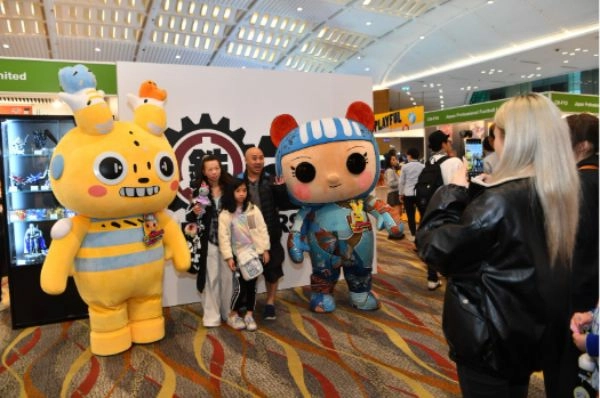
One of the most visible signs of the fair’s evolution this year is the introduction of ‘Pop & Play’, a business-to-consumer (B2C) segment focused on collectibles and IP-driven products. It is the first time in the fair’s history that public consumers have been invited to participate.
The move reflects the explosive growth of the “kidult” market—adult consumers purchasing toys and collectibles for themselves.
“Globally, the kidult segment has grown more than 150 times over the past six to seven years,” Bryant said. “On a compound basis, it’s growing at over 20% annually.”
Another emerging focus is the silver economy, with exhibitors increasingly showcasing toys and games designed for active ageing and cognitive engagement. As populations age across Asia, this segment is expected to become a meaningful growth contributor.
Helping SMEs Navigate New Markets
While the global toy market has grown at a modest 2–3% annually over the past decade, challenges have intensified. Trade restrictions, tariffs and rising logistics costs have made the US and Europe more difficult markets.
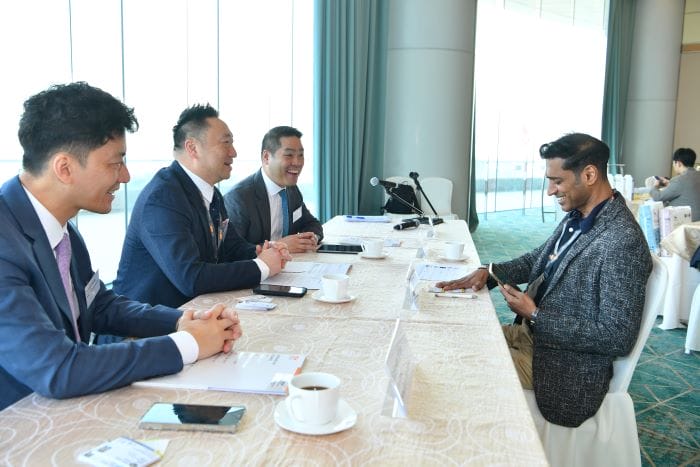
In response, the Hong Kong Trade Development Council (HKTDC) has been actively helping toy companies diversify into Asia and the Middle East, regions with large and fast-growing consumer bases.
“Entering new markets is always challenging,” Bryant said. “But with HKTDC’s guidance, companies can better understand regulations, consumer preferences and distribution channels.”
This shift, he noted, represents both a challenge and an opportunity for Hong Kong toy SMEs seeking long-term resilience.
Staying Relevant Through Industry Feedback
Bryant credits the fair’s continued relevance to constant feedback from exhibitors and buyers.
“Everything evolves based on what the industry tells us it needs,” he said. “Pop & Play is a good example—it allows exhibitors to get immediate market feedback and faster business decisions.”
Beyond transactions, the fair now functions as a real-time testing ground for new ideas, IPs and consumer trends.
Looking Ahead
Feedback from exhibitors suggests strong traffic and renewed buyer interest, with more than 2,600 exhibitors participating this year. After three days the event recorded 82,000 global visitors while transaction values were not available as of the publishing of the article, Bryant concluded that the overall sentiment has been positive.
Looking ahead, Bryant remains optimistic.
“Traditional toys will always be there,” he said. “But growth will increasingly come from IP, collectibles, active ageing products and even policy shifts—such as restrictions on social media for younger users—which could revive demand for physical play.”
After 52 years, the Hong Kong Toys & Games Fair is no longer just a reflection of the industry—it is actively shaping its next chapter.


