


The SME Association of Malaysia has called on the government, Bank Negara Malaysia, and all relevant institutions and agencies to introduce a targeted six-month moratorium or repayment deferment for affected micro, small and medium enterprises (MSMEs) following Prime Minister Datuk Seri Anwar Ibrahim’s latest diesel-related announcement.
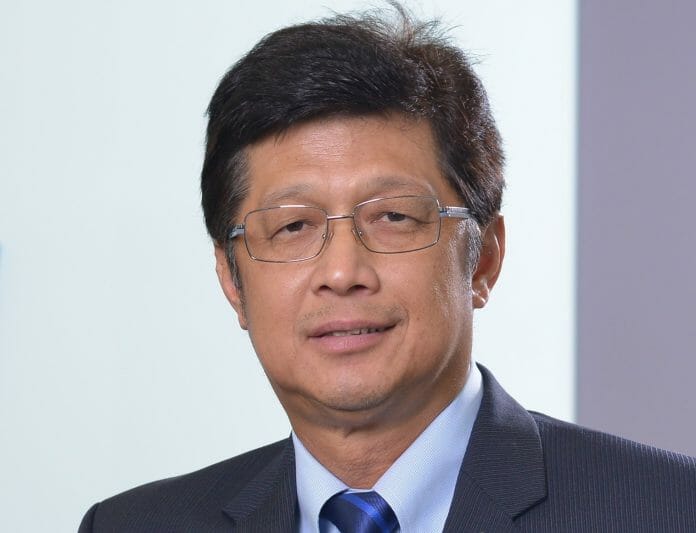
Speaking to BusinessToday, the association’s President Dr Chin Chee Seong, said the move is needed to help businesses cope with sudden cash-flow strain, rising logistics costs, weaker orders, export uncertainty and wider supply disruptions.
Chin said the proposed moratorium would help preserve working capital, protect jobs and prevent unnecessary business closures, particularly among SMEs already struggling with higher operating costs. He indicated that firms reliant on transport, freight and delivery are likely to face added pressure as diesel-related costs feed through the broader supply chain.
He added that the diesel-related measure alone is insufficient to ease the burden on businesses that depend heavily on logistics and transportation. Chin warned that if cost pressures continue, many SMEs may eventually be forced to absorb the strain only for a limited period before it affects margins, pricing and overall business sustainability.
Beyond the moratorium, the association also urged the government to expand KUSKOP-linked emergency financing to at least RM500 million, saying the current RM100 million allocation through SME Bank and Bank Rakyat is too small in the face of a broader economic shock. It also called for larger short-term working capital financing at lower rates, stronger SJPP-backed guarantees and more flexible loan restructuring and rescheduling for viable firms facing temporary stress.
“Financing support must be practical and quick to access, rather than structured in a way that delays help for firms with urgent liquidity gaps,”
Other than that, the association further recommended maintaining temporary fuel-cost stabilisation measures, including the subsidised RON95 price under BUDI95, while also calling for temporary flexibility on tax and statutory payments, stronger export diversification support and better coordination across ministries including agencies.
Chin stressed that the current environment requires early action rather than delayed reaction to ensure relief reaches affected SMEs quickly and effectively.


