



A fragile ceasefire between the United States and Iran is offering only limited relief to global markets, as uncertainty surrounding the Strait of Hormuz continues to raise concerns over potential disruptions to energy supplies and broader supply chains.
The temporary truce, reportedly brokered by Pakistan, comes after weeks of escalating tensions and sustained airstrikes. While the pause has reduced the immediate risk of further escalation, analysts caution that the situation remains volatile and far from a long-term resolution.
Dr Julia Roknifard, a Senior Lecturer at the School of Law and Governance at Taylor’s University, said the ceasefire should not be mistaken for lasting stability.

Speaking to BusinessToday, Julia said, “This is not a peace treaty but a 336-hour countdown to either a diplomatic breakthrough or a far more catastrophic war,”
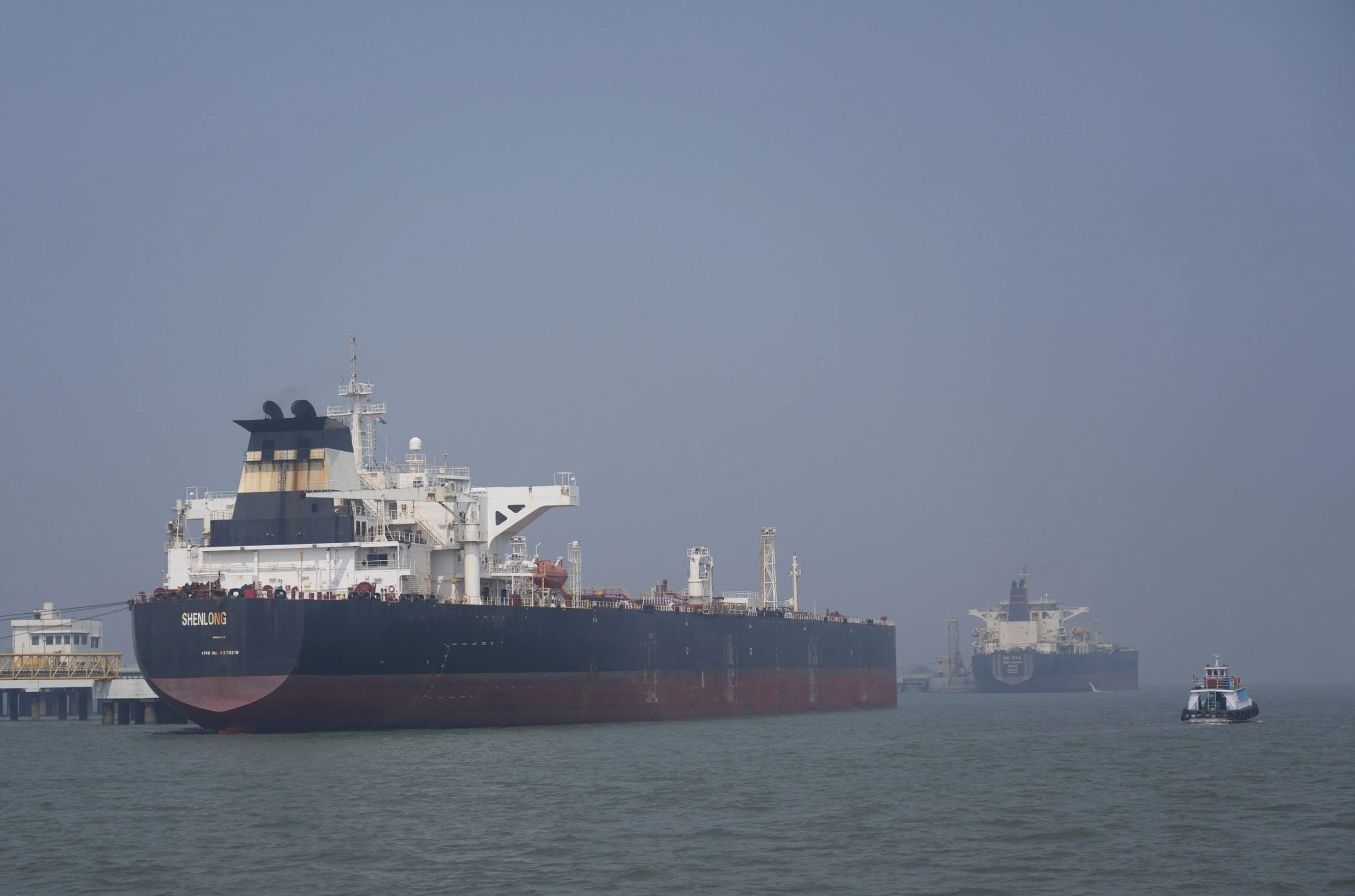
“The economic shockwaves are equally unforgiving. While the focus was mostly on the oil tankers stuck in the Strait of Hormuz and prices rising as global oil supply has been cut by 13 percent according to International Monetary Fund (IMF), a number of other essential goods were affected as well,” she added.
The Strait of Hormuz remains central to global market concerns, given its role as a key transit route for oil, gas and other critical resources. Any prolonged disruption could have far-reaching implications for energy prices, food production and industrial supply chains.
Beyond crude oil, supply chains for fertilisers and industrial inputs are also exposed. A significant portion of global urea supplies, a key component in agriculture — passes through the Gulf region, raising concerns over rising food production costs and potential downstream inflationary pressures.
Julia further warned of cascading effects across industries, “Shortages of helium, vital for semiconductors and medical instruments including MRI machines, with Qatar producing a third of global supply, are rippling through the tech and medical industries.”
She cited the International Monetary Fund (IMF) warned that global conditions are trending towards higher prices and slower growth, reflecting mounting concerns over inflationary pressures coupled with weakening economic activity.
For Malaysia, the potential impact is significant. Sustained increases in global oil prices could place added pressure on fuel subsidy mechanisms, while higher fertiliser costs may contribute to renewed food inflation. Export-oriented sectors, particularly those reliant on stable logistics and input costs, could also face increased uncertainty.
As markets continue to monitor developments in the region, businesses and policymakers are bracing for continued volatility, particularly if tensions escalate again or key trade routes face further disruption.


