



Malaysia’s healthcare crunch is no longer abstract. With a shortage of nearly 11,000 specialist doctors based on a data shared by the Ministry of Health, patients are feeling it in real time: hours-long waits, packed clinics, and overstretched staff trying to keep pace.
In some government facilities, it is not unusual to see a single clinic handle up to 100 patients a day. The situation is even tougher in Sabah, Sarawak and rural parts of the peninsula, where patchy internet and limited access to specialists add another layer of difficulty.
For all the talk of digital transformation, the reality on the ground is less polished. Many clinicians are still juggling ageing computers, shared workstations or their own phones to get through the day.
These weren’t built for AI-assisted care, and it shows. In noisy wards and busy emergency departments, where sound levels can rival a construction site, getting clear, reliable audio for documentation is harder than it should be.

That is where Heidi’s latest move comes in. The company has launched Heidi Remote in Malaysia, a small wearable device that clips onto a clinician’s uniform and captures audio clearly during consultations.
It works even without internet access and is a practical fix to a problem that has quietly held back the use of AI tools in many parts of the system.
The launch is part of Heidi’s wider push into Southeast Asia, backed by a USD 9 million expansion. Malaysia is a key focus, not just because of the scale of its public healthcare system, but also its ongoing push into digital health under national AI initiatives.
At the same time, the workforce is under pressure, with fewer junior doctors entering the system in recent years and more leaving the public sector altogether.
AI scribes are already helping to ease some of that strain. Heidi’s platform supports around 2.5 million patient interactions each week, cutting down the time clinicians spend on paperwork. But the results depend heavily on the quality of audio captured during consultations.
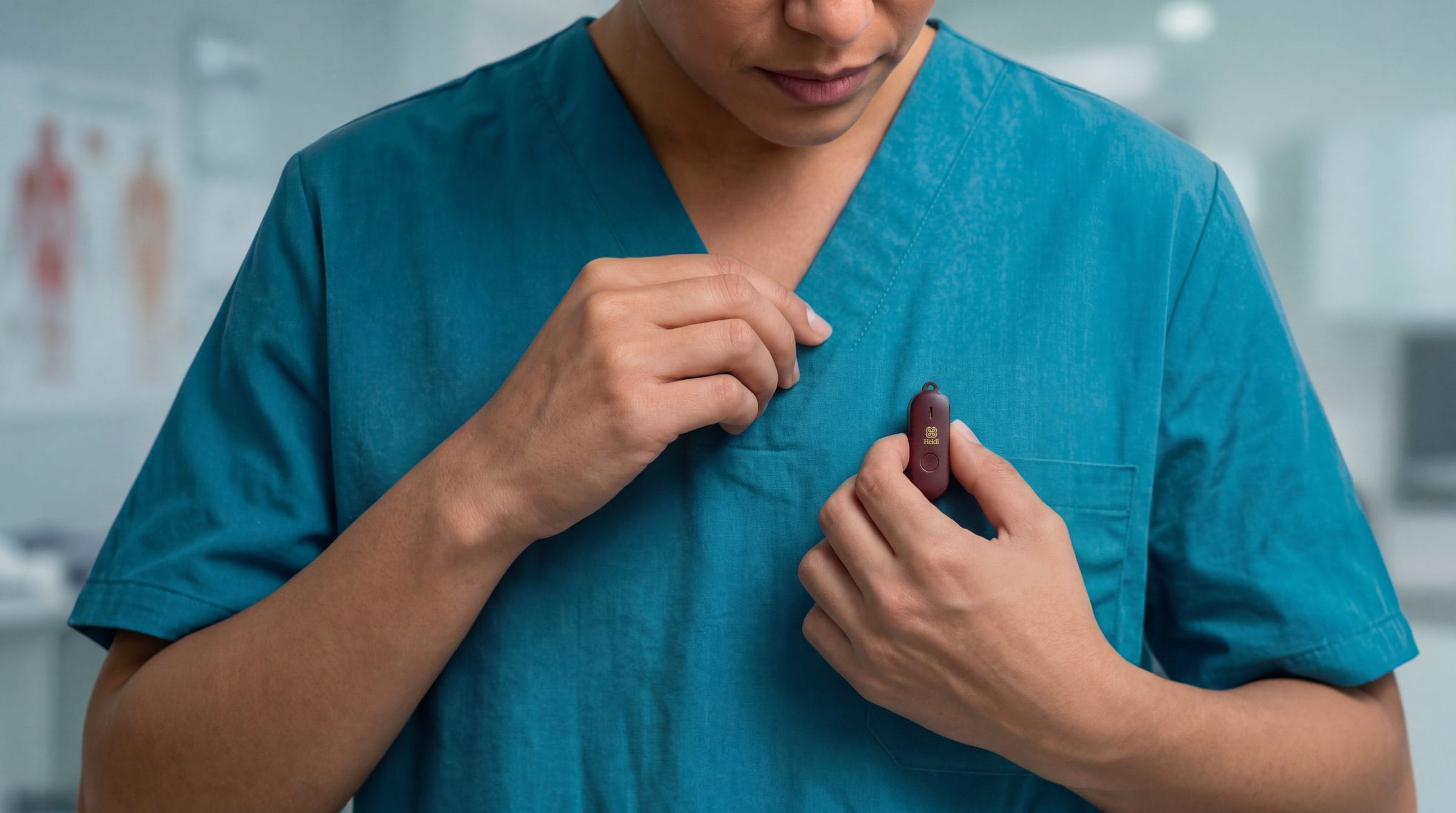
Background noise, interruptions and poor device placement can all get in the way. A dedicated wearable microphone is a simple shift, but one that could make those tools far more reliable in everyday use.
It also changes the dynamic in the room. Without a phone or laptop acting as the main recording tool, clinicians can focus more directly on their patients. The device is designed to last through long shifts, handle regular cleaning, and keep data secure, which makes it more suited to clinical environments than typical consumer tech.
All these factors point to a bigger shift in healthcare. AI is already part of the workflow, but the supporting hardware is only just catching up. In a system like Malaysia’s, where demand keeps rising, and resources are tight, even small improvements in how clinicians work can have a noticeable impact on both patient experience and staff wellbeing.


