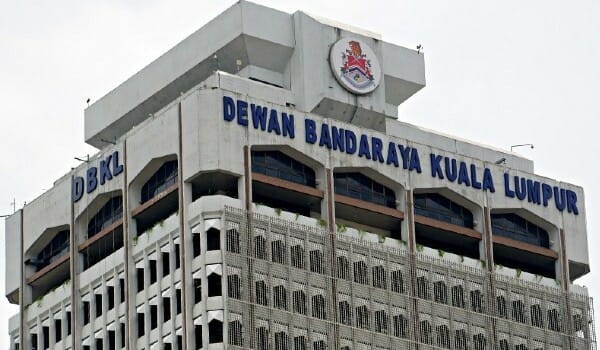
Kuala Lumpur City Hall’s (DBKL) sweeping governance reforms are designed to reduce the concentration of power in the mayor’s office and strengthen transparency, accountability and institutional checks, Minister in the Prime Minister’s Department (Federal Territories) Hannah Yeoh said.
Speaking in the Dewan Rakyat, Yeoh said the reforms focus on separating powers, enhancing checks and balances, and transforming DBKL’s decision-making culture from one centred on individuals to one guided by good governance, collective responsibility and integrity.
Among the key changes is the abolition of the Special One-Stop Centre (OSC) committee to ensure a clearer separation of powers and minimise political interference in development approvals. The upgraded OSC 3.0+ Portal now enables Members of Parliament to access project information and provide feedback before approvals are granted.
Yeoh said the mayor also no longer chairs the audit committee, while approval authority for contributions has been capped at RM3,000. Any amount exceeding the limit must be referred to a senior management committee for consideration.
She added that DBKL has strengthened its Advisory Board with safeguards to prevent conflicts of interest and improve accountability. Job rotation for field officers and those in sensitive positions is also being implemented to reduce integrity risks, while body-worn cameras will be introduced in phases beginning in the fourth quarter.
On digital transformation, Yeoh said DBKL aims to process all applications online by 2030 as part of its smart city agenda. As of July, 170 online application services have been introduced, with the number expected to reach 180 end-to-end digital services by the end of this year to improve transparency, speed and service delivery.
She also said business licence validity has been extended from July 1 to three years, allowing licence holders to deal with DBKL more conveniently.