


Malaysia will be subject to a 10% tariff under the United States’ latest Section 301 measures related to forced labour, a lower rate than that imposed on several other economies, reflecting Washington’s recognition of the country’s efforts to strengthen labour enforcement.
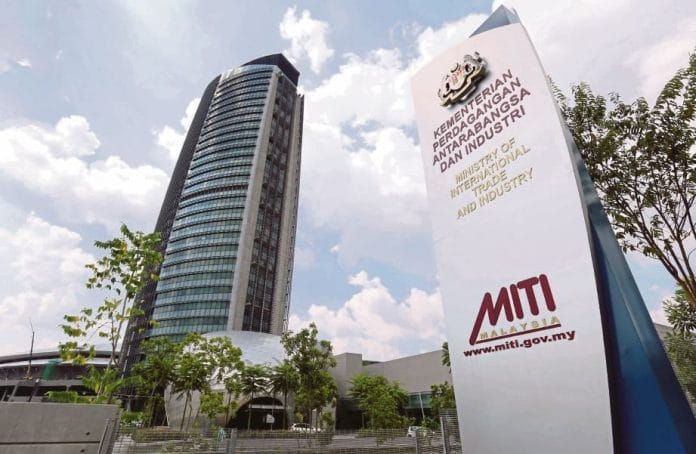
In a statement on Friday, the Ministry of Investment, Trade and Industry (MITI) said the tariff will take effect at 12.01am US time on July 24, 2026, immediately after the expiry of the temporary tariff imposed under Section 122 of the US Trade Act of 1974.
The new measure follows Section 301 investigations conducted by the Office of the United States Trade Representative (USTR) involving 60 economies over forced labour concerns.
Malaysia is among 17 economies that will face a 10% tariff, while other affected economies will be subject to a higher 12.5% tariff.
According to MITI, the USTR took into account Malaysia’s commitments to implement and enforce laws prohibiting the importation of goods produced through forced labour when determining the tariff rate.
“The United States Trade Representative took into consideration Malaysia’s commitments to implement and enforce laws prohibiting the importation of forced labour goods as the basis for the tariff rate imposed on Malaysia,” the ministry said.
Prime Minister Datuk Seri Anwar Ibrahim also welcomed the lower tariff rate, noting that Malaysia had secured more favourable treatment than several regional economies.
Notably, Singapore, for example, was subjected to a 12.5% tariff under the latest US action.
The tariff announcement comes as Malaysia continues to engage the United States on broader trade issues.
MITI said a separate Section 301 investigation relating to excess industrial capacity remains ongoing.
Malaysia is among 16 economies currently under investigation in that category, with the USTR yet to determine whether additional tariffs will be imposed.
“The Ministry will continue to engage with the United States and will update all relevant stakeholders once the USTR determines the tariff rate related to excess capacity,” MITI said.
The latest development marks another chapter in ongoing US trade actions aimed at addressing labour standards and industrial practices among its trading partners.
Malaysia has in recent years introduced a series of reforms to strengthen labour governance and address concerns surrounding forced labour, particularly in export-oriented industries, as it seeks to maintain access to key international markets.


