


Malaysians are increasingly prioritising independence, good health and financial security as they prepare for longer lives, with many viewing self-reliance in later life as one of the most meaningful legacies they can leave their families.
This is according to the Manulife Asia Care Survey 2026: Independence as the New Legacy, which gathered responses from more than 9,000 people across Asia, including 1,000 respondents in Malaysia.
The survey found that nearly nine in 10 Malaysians identified preserving independence and self-reliance as their primary longevity goal.
For respondents, independence extends beyond financial security to include the ability to make personal decisions, access quality care when needed and avoid becoming a burden on loved ones.
The findings also point to a shift in traditional perceptions of legacy, with four in five respondents saying that maintaining their independence and financial security represents one of the most meaningful legacies they can leave their families.
This sentiment was particularly strong among younger adults aged 25 to 34.
Reflecting the growing emphasis on self-reliance, respondents said they would allocate 68% of their assets towards their own long-term health and financial well-being, compared with 32% intended as financial inheritance for their children.
Health Key To Maintaining Independence
Health and quality of life remain central to Malaysians’ efforts to preserve independence as they age.
Seven in 10 respondents said they are actively focused on maintaining their well-being, while 85% believe preventive healthcare and positive self-care habits can help preserve their autonomy later in life.
The most common self-care practices include staying physically active, cited by 44% of respondents, eating well (42%), pursuing hobbies (41%), and spending time with loved ones and pets (37%).
However, the survey also highlighted gaps between awareness and action.
Only 27% of respondents have undertaken preventive health screenings to reduce the risk of chronic illnesses, while just 26% actively invest in building social connections.
More than half, or 56%, are concerned about the potential financial impact of unexpected expenses in later life.
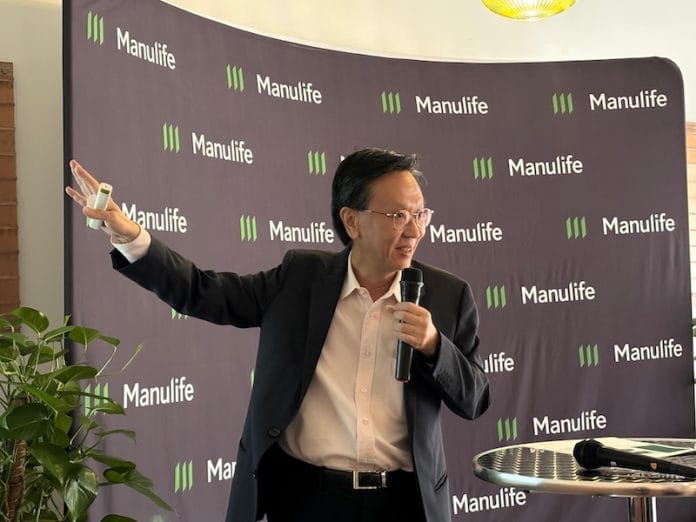
Manulife Malaysia Group Chief Executive Officer Vibha Coburn said longer life expectancy meant planning for later life should focus not only on what individuals leave behind, but also on maintaining their health and financial security.
She said Manulife’s ONE Manulife approach aims to bring together insurance and investment management capabilities to provide more holistic solutions covering protection, health, wealth, retirement and legacy planning.
Family Commitments Put Pressure On Self-Reliance
The survey also highlighted the financial and emotional pressures faced by Malaysians supporting family members.
Around two-thirds of respondents provide care and financial support to family members, spending an average of 41% of their monthly income on family needs.
The pressure is particularly pronounced among the so-called sandwich generation, who are simultaneously supporting ageing parents and dependent children.
Some 68% of respondents said family financial commitments limit their ability to build long-term self-reliance, while 60% said they had delayed seeking medical care because of family commitments.
Malaysians also expect to require around 17 years of care later in life, three years longer than the Asia regional average of 14 years.
Manulife Investment Management Chief Executive Officer Jason Chong said many Malaysians were prioritising the needs of their families at the expense of their own future preparedness.
He said simpler and more accessible planning solutions could help individuals balance family responsibilities with their own long-term financial and health needs.
Malaysians Expect RM4,760 A Month For Future Care
Financial preparedness remains a major concern, with 70% of Malaysians worried about their ability to fund future care needs, above the regional average of 66%.
Respondents estimated that they would need around RM4,760 a month to cover future care costs.
Younger adults aged 18 to 24 had the highest expectations, estimating monthly future care costs at RM5,595.
Despite these concerns, Malaysians show a strong preference for funding their own later years.
The majority expect to rely on personal savings (83%), followed by investments (52%) and insurance (40%). Only 23% expect to rely on financial support from their children.
Among those already saving and investing, 57% plan to shift towards income-generating investments to secure a steady income, support a longer retirement and maintain financial independence.
Others plan to diversify their portfolios (33%), seek professional financial advice (24%) or adopt more conservative investment strategies focused on capital preservation (19%).
The findings suggest that as Malaysians prepare for longer lifespans, the concept of legacy is evolving — from simply leaving assets to the next generation towards ensuring individuals have the health, financial resources and confidence to remain independent throughout their later years.


