


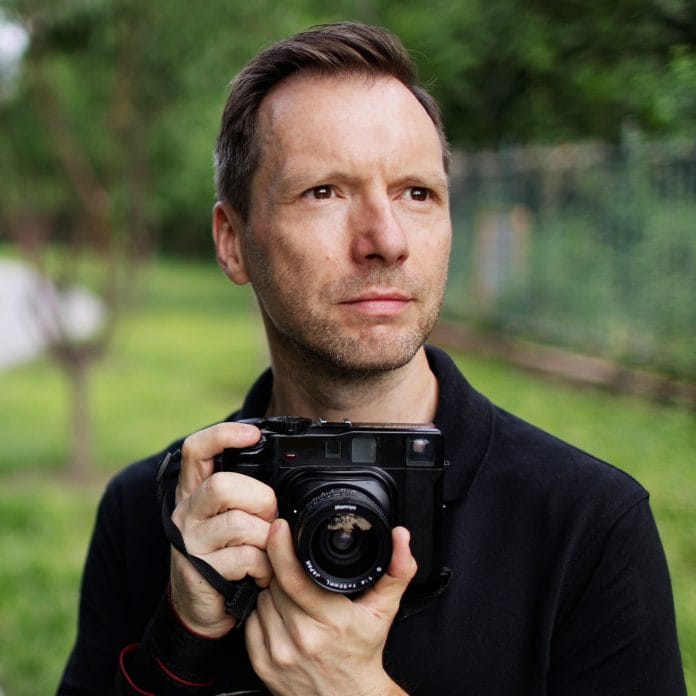
How do you photograph something as vast as the climate crisis?
It is a question I have grappled with throughout my career. I studied zoology at university, so science has always been part of how I understand the natural world. But it was photography that gave me a way to communicate what I was seeing. For nearly 20 years, I have documented environmental issues and the climate crisis around the world, and I have learned that the larger a problem becomes, the
harder it can be to visualise.
You cannot photograph 1.5°C. You cannot photograph 400 parts per million. But you can photograph what those numbers mean for people.
That is why, when I take out my camera, I am not trying to photograph the climate crisis itself. I am trying to photograph the people living through it.
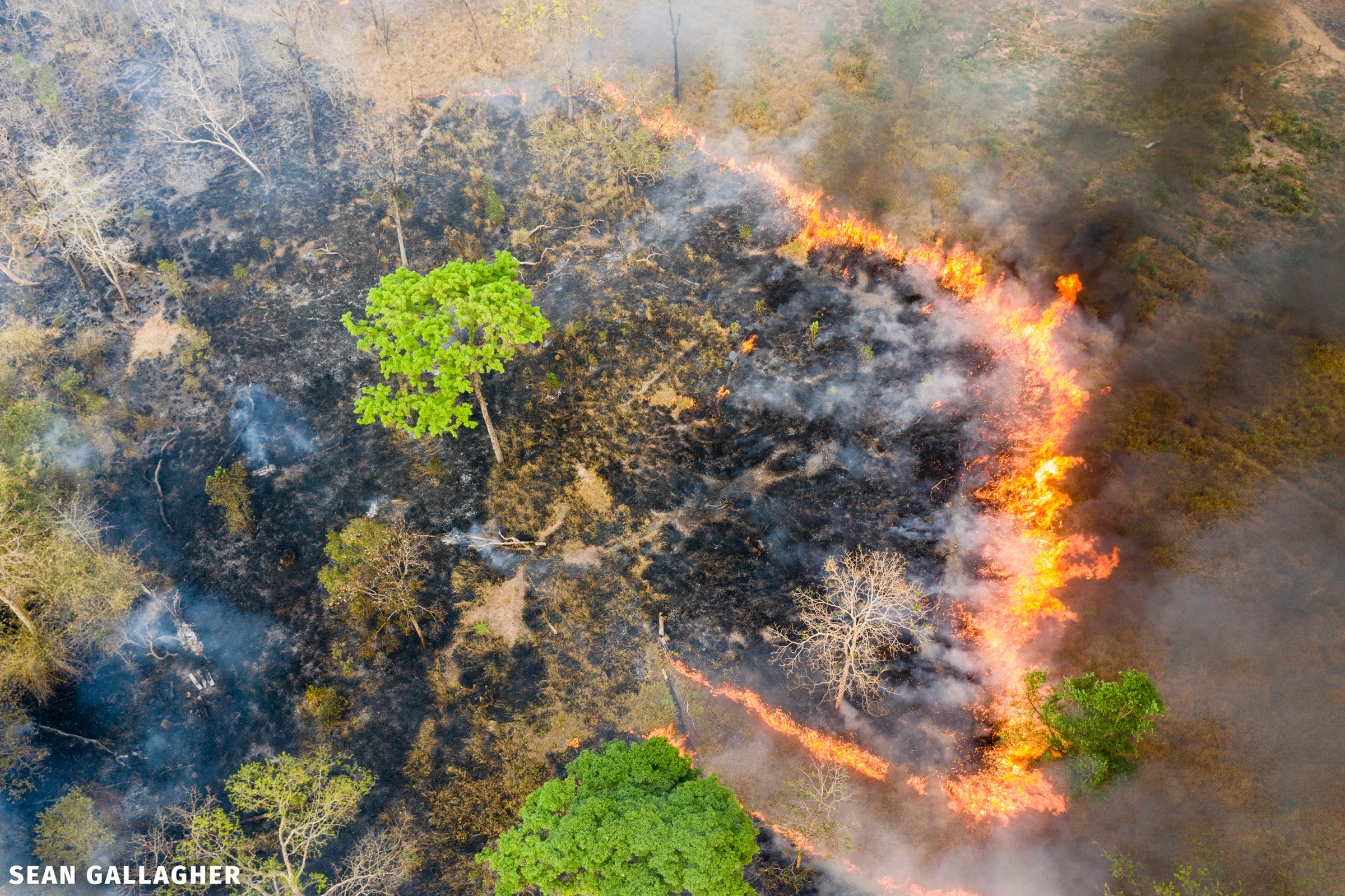
Before every project, I research the science, statistics and causes behind the issue I am documenting. But once I am in the field, my focus is on people. I have stood in the rising waters of Tuvalu, where communities face the loss of land and ways of life. I have felt the heat and smoke of forest fires in Cambodia as forests disappear. I have sat with farmers in India whose lives have been ravaged by drought, documented changes to communities on the Tibetan Plateau and knelt on the beaches of Bali alongside people collecting plastic waste.
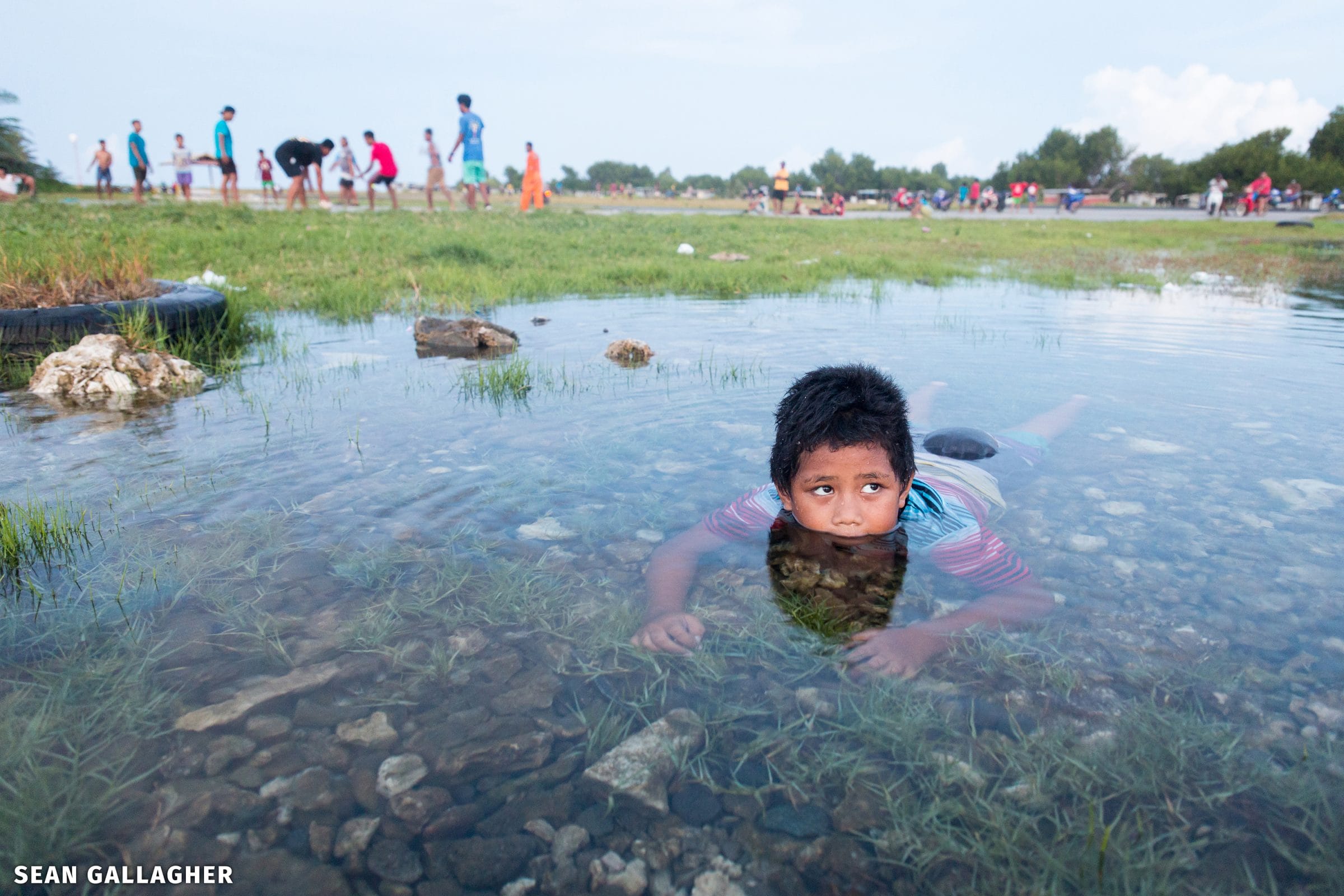
Everywhere I go, the details are different. But the human experience connects us.
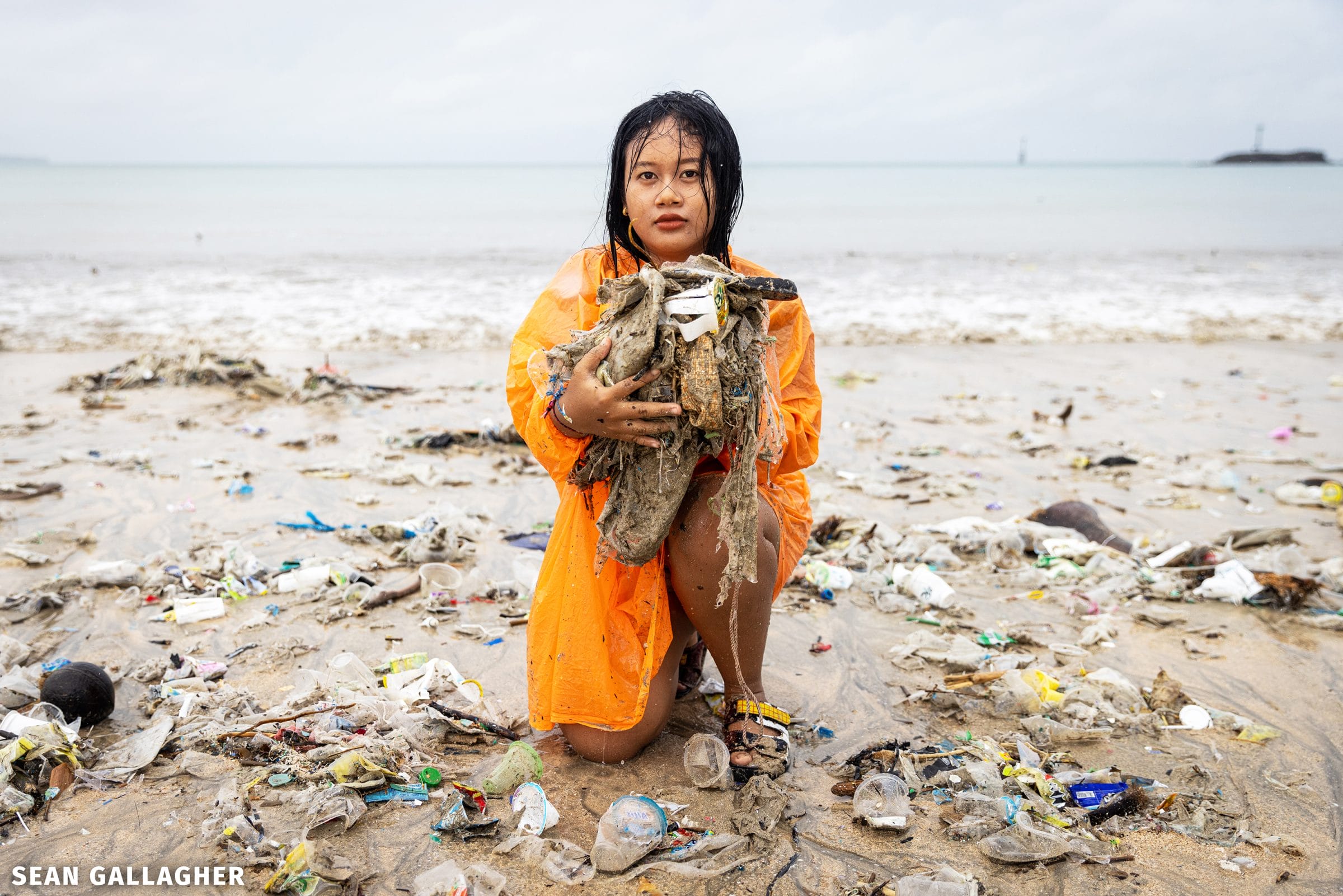
People do not necessarily respond to statistics and graphs. They respond to stories. When we see another person facing a challenge that feels distant or abstract, we can begin to recognise something of ourselves in their experience. That recognition can create empathy. And empathy can become a reason to act.
This matters because the climate conversation has changed dramatically since I began this work. Twenty years ago, global warming was largely something I encountered in university textbooks. Today, climate change is front-page news. We know far more about its causes and consequences. Awareness has grown enormously.
But awareness alone is no longer enough.
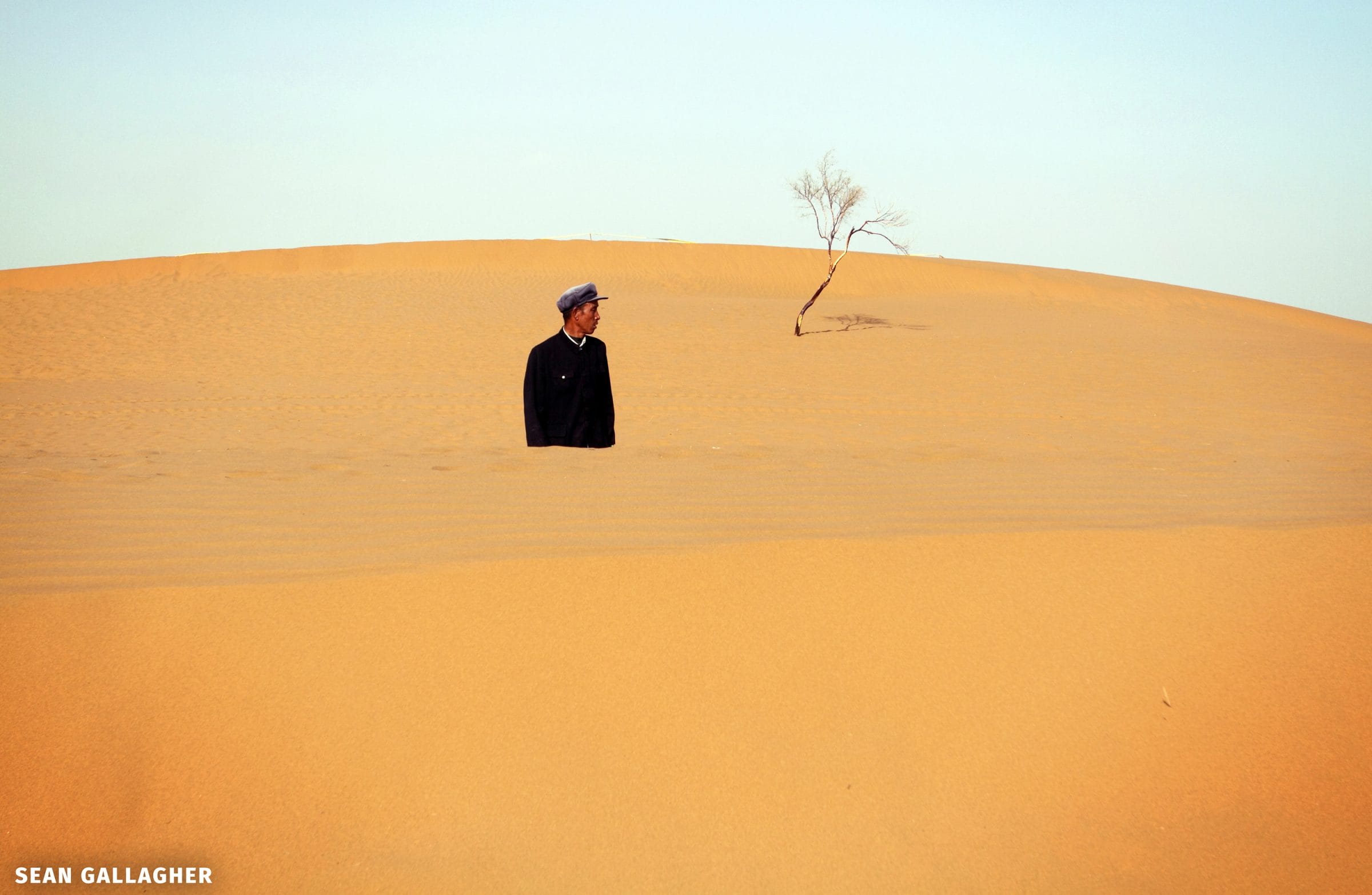
We need action, and that means telling stories not only about loss, but also about solutions. I have photographed communities in Bali working together to clean their beaches. In northern China, I witnessed large-scale tree planting to combat desertification. I have met scientists dedicating their lives to understanding our changing world and developing ways to address its impacts.
These stories matter because hope is not about pretending the problem is smaller than it is. It is about showing that people have agency. We have created many of the problems we face, but we are also capable of finding solutions.
The same principle applies to the cities and communities where most of humanity now lives. We all want better places to live, greater comfort and economic opportunity. But we cannot pursue these goals at the expense of the natural systems on which our lives depend. Building sustainable, climate-resilient cities will require more than awareness or ambition. It will require people from different sectors to share knowledge, challenge assumptions and turn ideas into action.
That is why gatherings such as International Sustainability Week 2026 matter. Bringing together policymakers, businesses, researchers, communities and other leaders creates space for the conversations that need to happen: about climate resilience, urban transformation and how we can make sustainability practical. We need to learn from one another, embrace different perspectives and find ways to move from commitments to implementation.
I am just one photographer, and my role is to show people what is happening. Others have different skills and responsibilities. The question for all of us is how we can use those skills to become part of the solution rather than part of the problem.
So, perhaps the answer to my opening question is simple. We cannot photograph 1.5°C itself. But we can photograph the child living with rising seas, the farmer facing drought, the community restoring its environment and the people working to protect the future.
Photography does not make the climate crisis smaller. It makes it human-sized.
And when a global crisis becomes human, it becomes much harder to ignore – and much more possible to act on.
Sean Gallagher
Environmental Photojournalist
Sean Gallagher is a multiple award winner and a speaker at International Sustainability Week (ISW) 2026 organiser by Qube Integrated Malaysia and GreenRE, from 10 – 11 September 2026.


