


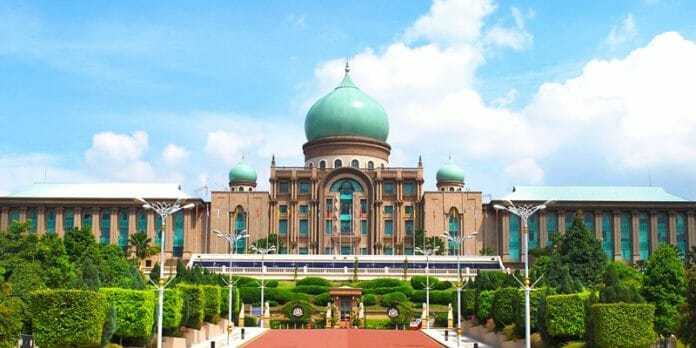
If there is one Malaysian city that feels particularly fitting for Merdeka, it is Putrajaya.
With its grand government buildings, wide boulevards, bridges and manicured parks, Putrajaya can sometimes feel like a city designed specifically for national occasions. In a way, it was.
As Malaysia prepares to mark its 69th National Day on Aug 31, 2026, Dataran Putrajaya will become the centre of the country’s Merdeka celebrations, with more than 80,000 visitors expected.
But behind the photographs of the parade and the familiar Putra Mosque skyline is a relatively young city with a story that is closely connected to the development of modern Malaysia.
1. Putrajaya Was Once Called Prang Besar
Before it became Malaysia’s federal administrative centre, the area was known as Prang Besar.
The site was selected in 1993 as the location for a new Federal Government Administrative Centre. The first concept master plan followed in 1994.
It was essentially a major redevelopment of what had been an agricultural area.

2. The Name Is A Tribute To Malaysia’s First Prime Minister
The name Putrajaya was chosen in October 1994 in memory of Tunku Abdul Rahman Putra Al-Haj, Malaysia’s first prime minister and the country’s independence leader.
That gives the city an interesting connection to Merdeka itself.
Tunku represented the political struggle that led to independence in 1957, while Putrajaya represents the government institutions that developed in the decades that followed.

3. Putrajaya Was Designed As A “City In A Garden”
Putrajaya was never intended to be just a collection of government offices.
Its master plan was based on the “City in a Garden” concept, with parks, green spaces, water bodies and landscaped areas incorporated into the development.
That is why the city feels noticeably different from a conventional urban centre.
4. It Has Only Been A Federal Territory Since 2001
Putrajaya became Malaysia’s third Federal Territory on Feb 1, 2001, following the handover from Selangor to the Federal Government.
So despite its importance today, Putrajaya is actually much younger than Kuala Lumpur.
5. Perbadanan Putrajaya Was Established In 1996
The agency responsible for managing and administering the city, Perbadanan Putrajaya, was established on March 1, 1996 under the Perbadanan Putrajaya Act 1995.
This distinction is worth remembering because Putrajaya Corporation is responsible for the city’s administration while Putrajaya Holdings was established as its main developer.
.jpg)
6. Taman Putra Perdana Marks Where It All Began
One of the more interesting places to visit is Taman Putra Perdana in Precinct 1.
The park marks the transformation of Prang Besar from a former plantation area into the Federal Government Administrative Centre. It also houses the Putrajaya Landmark and a time capsule containing documents relating to the city’s development.
In other words, this is one place where visitors can literally see a piece of Putrajaya’s origin story.

7. Putrajaya Is More Than Government Buildings
The city’s landmarks have become part of Malaysia’s visual identity.
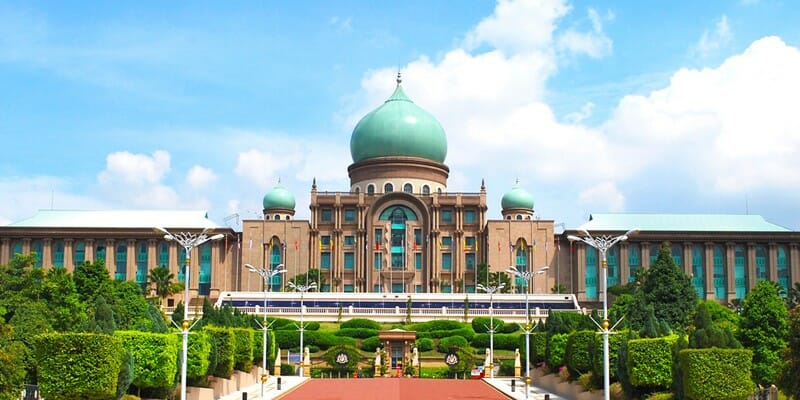
Putra Mosque, with its distinctive pink architecture, sits beside the Putrajaya lake while Perdana Putra, with its prominent green dome, houses the Prime Minister’s Office complex.
Then there are the bridges, particularly Seri Wawasan Bridge and Putra Bridge, which have become some of the city’s most recognisable photographic spots.

8. It Was Built Around Water And Green Space
Putrajaya’s landscape is not simply decorative.
The city incorporates extensive water bodies and parks into its urban design. The Putrajaya Wetland Park, for example, covers 197.2 hectares while the wider wetland area extends to about 650 hectares.
That makes Putrajaya an unusual setting for a federal administrative centre, where government buildings sit alongside wetlands, recreational areas and large landscaped spaces.
9. This Year’s Merdeka Celebration Comes With A Haze Factor
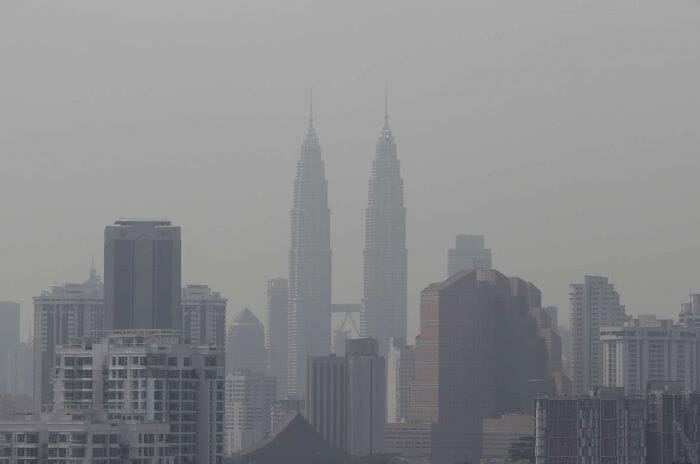
The 2026 celebrations are going ahead at Dataran Putrajaya, but the haze has become an important consideration.
The Prime Minister’s National Day address scheduled for Aug 30 has already been moved from Dataran Merdeka to the Putrajaya International Convention Centre (PICC) because of the haze.
As for the Aug 31 parade, organisers said it would proceed as planned as long as weather conditions remain favourable, with authorities continuing to assess conditions.
So anyone heading to Putrajaya should check the latest official updates before setting off, particularly families with young children and those sensitive to poor air quality.
10. Getting There Will Be A Little Different
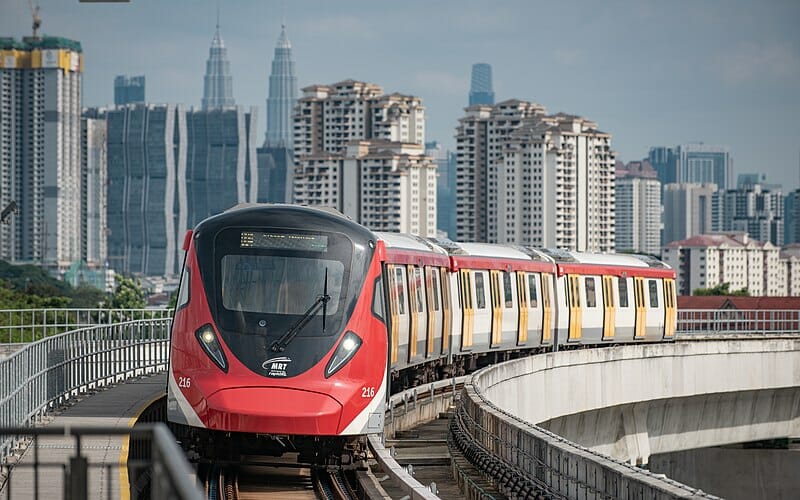
More than 80,000 people are expected for the celebration, so getting there is likely to be very different from an ordinary trip to Putrajaya.
MRT services are scheduled to operate 24 hours on Aug 30 and 31, with buses connecting the station to the celebration area. Free water taxis are also being offered for visitors.
The traffic situation is another reason to plan ahead, with major roads and bridges around the core island subject to restrictions during the celebrations.
Why Putrajaya Makes Sense For Merdeka
There is something fitting about celebrating Merdeka in Putrajaya.
Kuala Lumpur is where much of the country’s independence history unfolded, while Putrajaya represents what came after it: the construction of institutions, government and a new administrative identity for an independent Malaysia.
From Prang Besar to a Federal Territory, the city is a reminder that nation-building did not end on Aug 31, 1957.
It continued through the decades that followed, eventually producing a city that did not even exist when Tunku Abdul Rahman first raised the Malayan flag at midnight on the eve of independence.
And perhaps that is the most interesting Putrajaya fact of all.


