


The Institute of Corporate Directors Malaysia (ICDM) has called for deeper behavioural changes in how companies approach board composition, diversity, director independence and boardroom challenge, arguing that stronger corporate governance ultimately depends on developing a broader and more capable pipeline of future directors.
The institute said organisations need to be more deliberate in identifying, developing and appointing the next generation of directors as boards contend with increasingly complex business, technological and governance challenges.
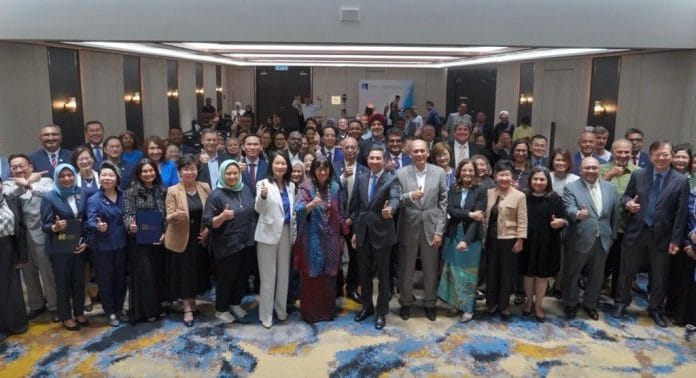
The call comes as ICDM marked the graduation of 67 participants from the latest cohorts of its Aspiring Director Immersion Programme (ADIP), its flagship initiative aimed at preparing senior executives and aspiring directors for board responsibilities.
“Ultimately, the effectiveness of tomorrow’s boards will be determined by the strength of the director pipeline — and by how intentionally organisations identify, develop and prepare the next generation of directors for the responsibilities of stewardship,” ICDM Chairman Tan Sri Zarinah Anwar said.
The issue is becoming increasingly important as boards are expected to oversee businesses facing more interconnected risks and rapid changes in technology, regulation and markets.
Bursa Malaysia Berhad Chief Executive Officer Dato’ Fad’l Mohamed said the quality of boardroom judgement has become increasingly important to companies’ ability to manage change and generate sustainable long-term value.
“That judgement is shaped by the skills, experience and perspectives around the table, which makes board composition and succession planning a strategic priority,” he said.
Fad’l said initiatives such as ADIP could strengthen the supply of board-ready talent and give companies greater depth of capability to support governance and organisational resilience.
Board renewal was also examined during an ICDM advocacy dialogue titled “The Board Behind the Board: Reframing BNRCs for Renewal, Readiness and Trust”, held alongside the graduation ceremony.
The discussion focused on the role of Board Nomination and Remuneration Committees (BNRCs) in succession planning, board renewal and developing capabilities needed to address emerging corporate priorities.
Panellists included Khoo Gaik Bee, Senior Independent Non-Executive Director and Chairman of the BNRC of Axiata Group Berhad; Dr Nesaretnam Kalanithi, Independent Non-Executive Director and BNRC member of IOI Group; and Mohd Yuzaidi Yusoff, Senior Independent Non-Executive Director and BNRC Chairman of Bank Islam.
The discussion explored how boards can balance institutional experience with fresh perspectives while widening the pool of potential directors without compromising appointment standards.
ICDM President and Chief Executive Officer Jackie Mah said one of the most difficult decisions confronting nomination committees is determining what existing capabilities should be retained and where renewal is required.
“Experience and institutional memory are valuable, but boards also need fresh perspectives and capabilities that reflect where the organisation is heading,” she said.
Mah argued that widening the director pipeline also requires companies to reconsider how they assess candidates seeking their first board appointment.
“If we are serious about widening the pipeline, we cannot judge first-time directors simply by the board seats they have already held. We need to look at the judgement, integrity, expertise and readiness they can bring to their first one,” she said.
ICDM said it has trained more than 46,000 directors since its inception, while more than 500 candidates have undergone board-readiness screening.
The institute has also mentored 114 members and facilitated 103 board placements, including appointments for 17 first-time directors.
Of those who have completed ADIP, 16 graduates have subsequently secured board seats, which ICDM said demonstrates how structured director development can translate into actual boardroom opportunities.
The institute’s push for a broader director pipeline reflects its view that board diversity needs to extend beyond numerical representation to encompass diversity of thought, professional expertise, experience and perspective.
As the demands placed on corporate boards continue to evolve, ICDM said the quality of future governance will depend not only on existing directors, but on whether organisations are building a sufficiently broad and capable pool of candidates ready to take their place.


