


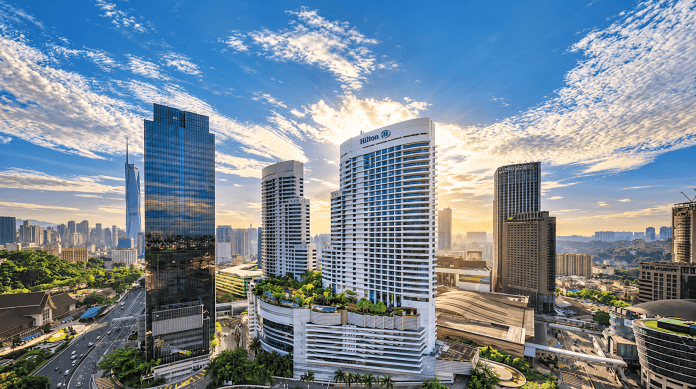
Malaysia’s hotel scene is changing in ways that reflect how people are travelling; more often, for shorter breaks, and increasingly beyond the country’s traditional tourism centres.
Kuala Lumpur remains an important hub, but the next phase of Malaysia’s hospitality story is spreading across the country, from the beaches and nature of Langkawi and Sabah to the food and culture of Penang and the heritage appeal of Melaka.
There is also a noticeable shift in what travellers are looking for. A hotel is increasingly expected to be more than a place to sleep between sightseeing stops. Nature, local experiences, wellness, food and a sense of place are becoming part of the appeal, while shorter domestic trips are making it easier for Malaysians to explore their own country.
These changes come at an interesting time for the industry. Malaysia is preparing for Visit Malaysia 2026, while international arrivals and domestic travel continue to support demand for accommodation across the country.
To understand how these shifts are playing out from the perspective of the hospitality industry, BusinessToday spoke with Alexandra Murray, area vice president and head of South East Asia at Hilton, who shared her insights on changing traveller behaviour, emerging destinations and the different ways Malaysia’s hotel market could develop.
The Holiday Is Getting Closer to Home
International tourism remains an important part of Malaysia’s hospitality industry, but domestic travellers are proving just as significant.
Murray says domestic travel accounts for close to half of Hilton’s guests across its Malaysian portfolio, with families, couples and groups of friends increasingly taking frequent, shorter breaks closer to home. It is a trend that makes sense in a country where a change of scenery does not necessarily require a long-haul flight.
Penang and Langkawi, for example, offer a combination of accessibility, food, culture, beaches, nature and outdoor activities. Sabah provides another option for travellers looking for a more nature-focused escape, while destinations such as Melaka offer a different kind of experience built around heritage and local culture.
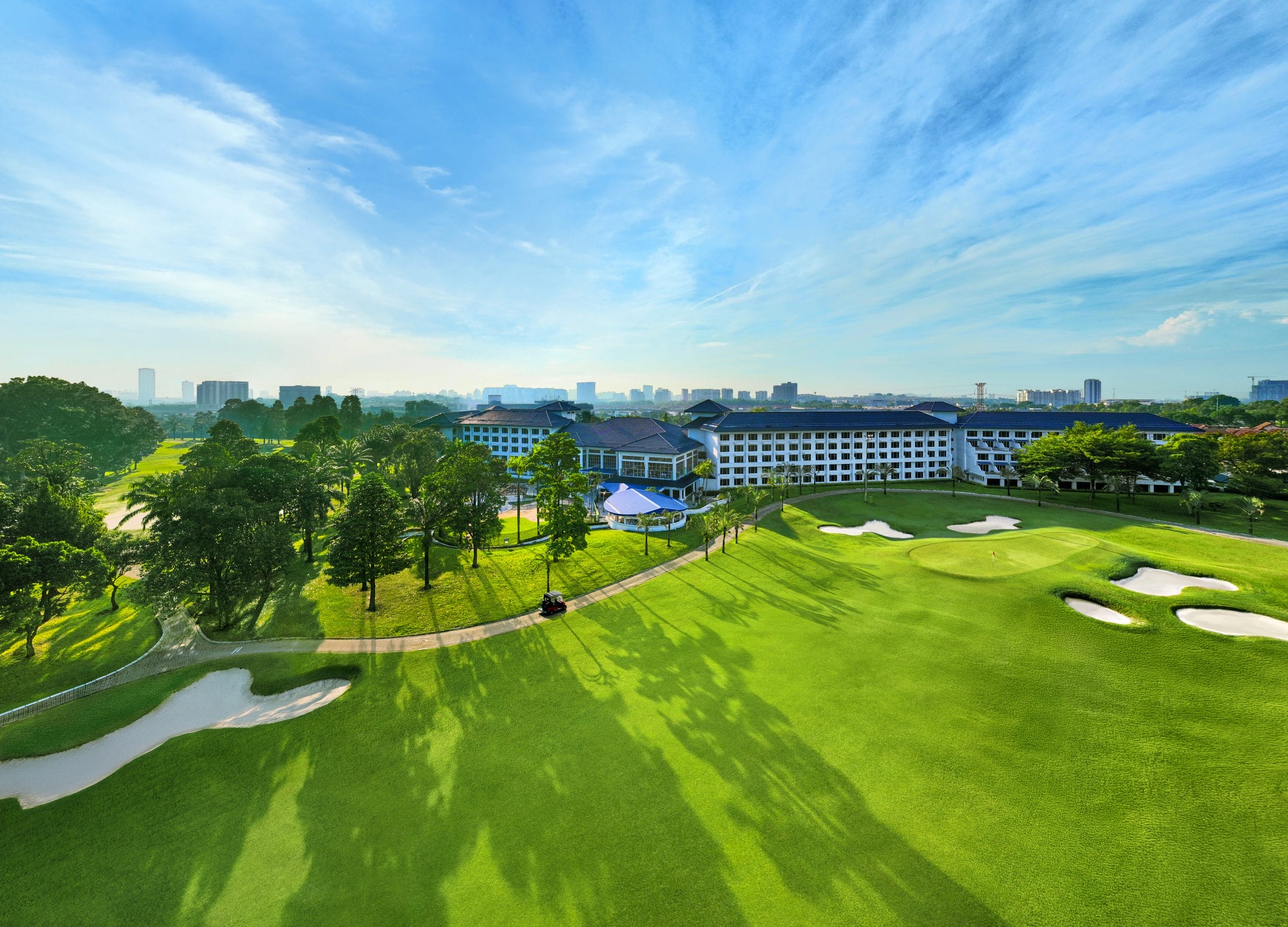
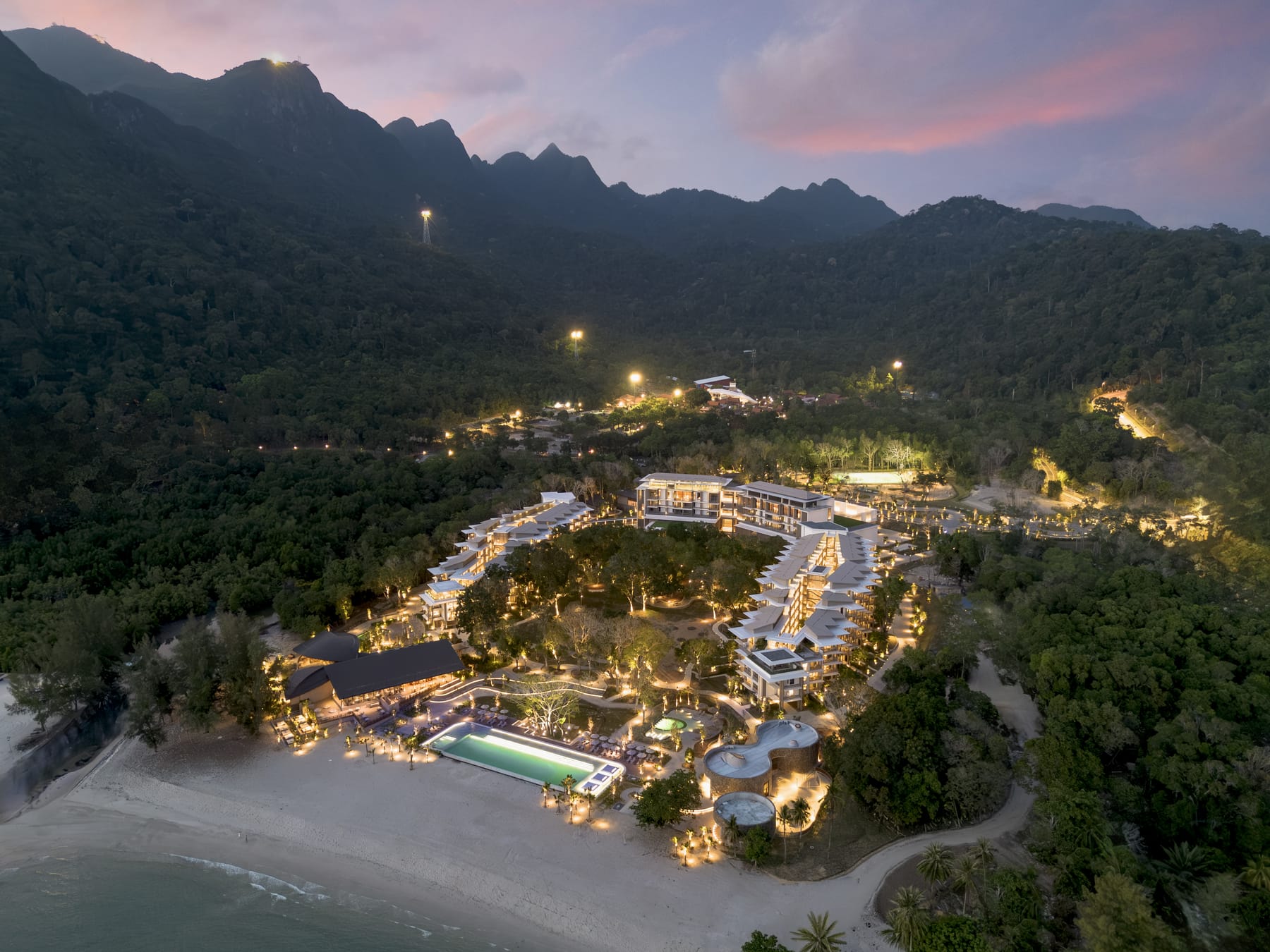
The appeal is not necessarily about replacing the traditional holiday. Instead, these shorter trips are becoming another part of the way people travel.
“Domestic and intra-regional travellers continue to be key drivers of our business,” Murray said.
That demand also gives hotels a broader base of travellers to serve. Domestic visitors can fill the gap between international travel seasons, while visitors from neighbouring countries add another layer of regional demand.
At the same time, improving air connectivity is making Malaysia more accessible to international travellers, creating a mix of domestic, regional and long-haul visitors.
Malaysia’s Tourism Map Is Expanding
For years, Kuala Lumpur has naturally dominated Malaysia’s hotel conversation. As the country’s largest city and a major business and transport hub, it remains central to both corporate and leisure travel. But the growth taking place elsewhere suggests that Malaysia’s tourism map is becoming more diverse.
Murray points to destinations such as Sabah, Langkawi and Shah Alam alongside established markets such as Kuala Lumpur. The development of hotels in these areas reflects a wider question for the industry: where will travellers want to go next?
The answer may increasingly depend on experiences rather than simply location. Travellers looking for nature may choose a destination built around outdoor activities. Families may prioritise accessibility and attractions, while couples could be more interested in food, culture, wellness or a distinctive setting.
This creates room for different types of hotels and accommodation concepts, rather than a one-size-fits-all approach. It is also part of the reason the country’s upcoming tourism campaign could be significant. Visit Malaysia 2026 is intended to promote both international and domestic tourism while drawing attention to Malaysia’s diverse attractions and lesser-known regions.
More Than Just More Hotel Rooms
Malaysia’s tourism growth is also bringing more accommodation into the market.
In Kuala Lumpur alone, around 2,641 new hotel rooms are expected to be added in 2026, with approximately 4,600 rooms forecast between 2026 and 2028. Much of the new supply is expected to sit in the upscale and luxury segments.
For travellers, more supply means more choice. But for the hotel industry, it also creates a need for differentiation. The question is no longer simply whether a destination needs another hotel. It is what kind of hotel makes sense for the people who are likely to visit.
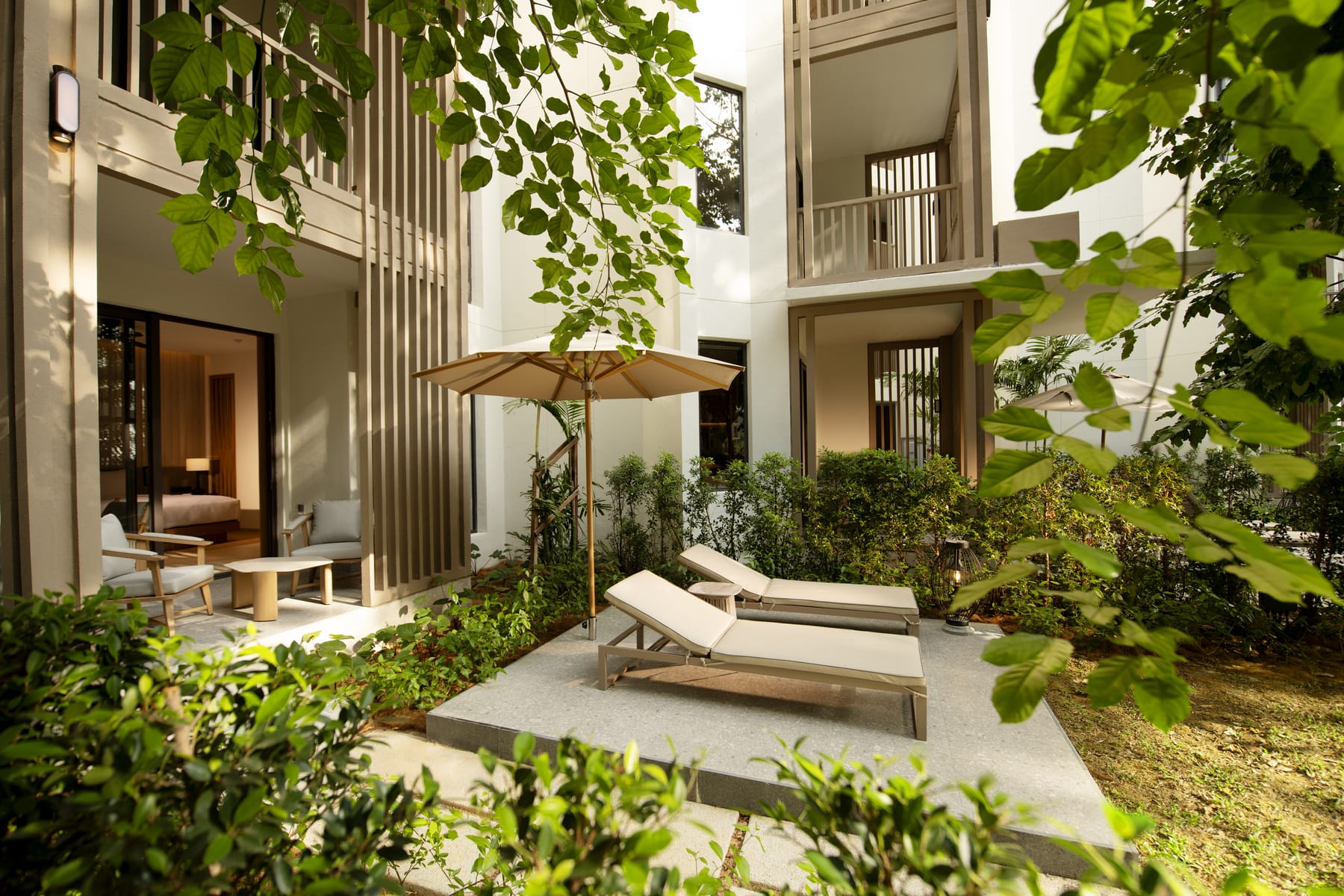
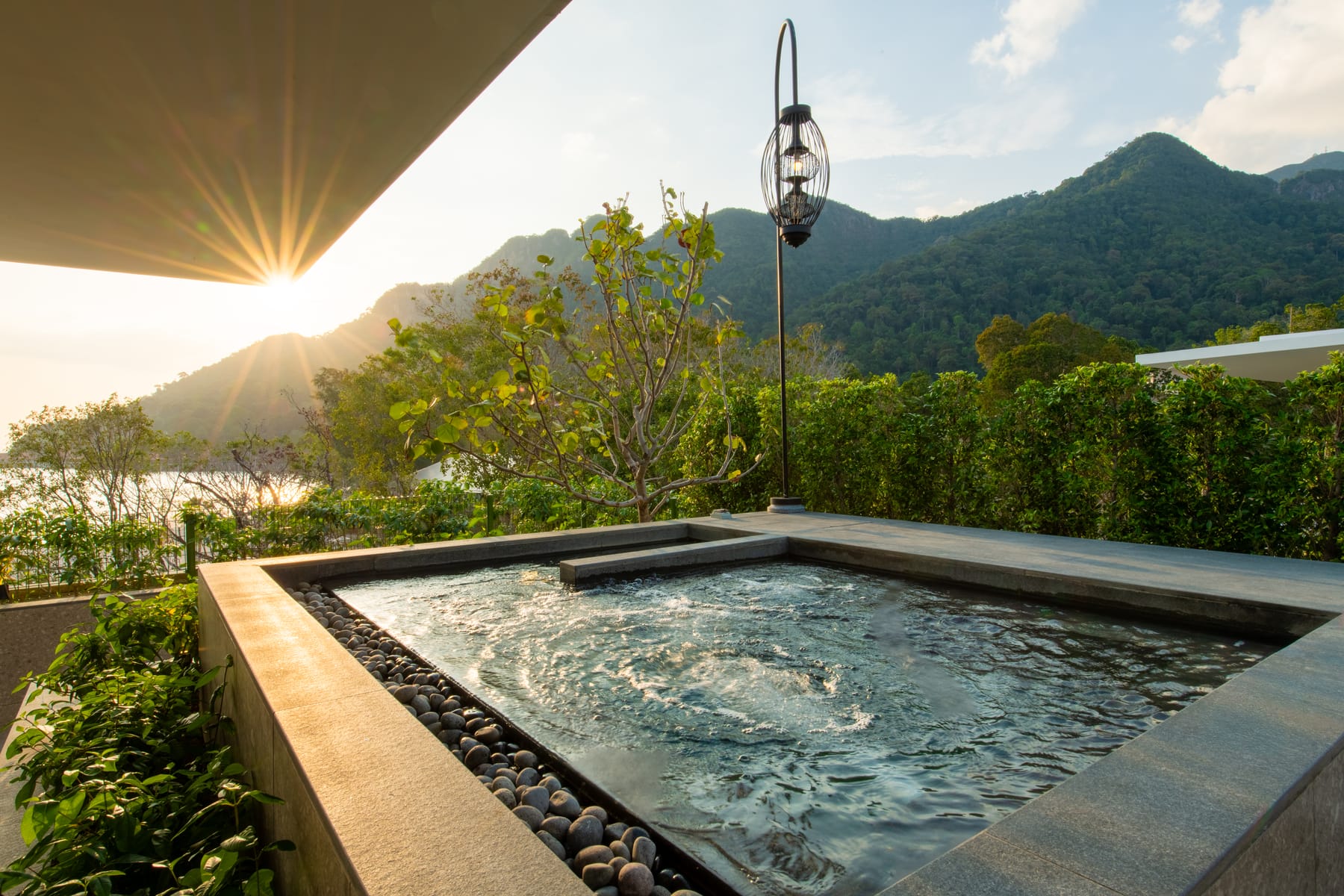
That could mean a resort centred around nature, a lifestyle property designed around local culture, an upscale hotel aimed at weekend travellers, or a luxury property catering to international visitors.
Hilton’s own Malaysian portfolio illustrates the range of approaches being taken. The group currently has 26 operating properties and eight more in its pipeline, spanning established and emerging destinations and a range of accommodation segments.
Among its recent openings are properties in Langkawi, Shah Alam and Sabah, while upcoming developments include luxury properties in Kuala Lumpur and a Tapestry Collection by Hilton property planned for Melaka.
But the more interesting takeaway is not the number of properties. It is the variety of locations and traveller profiles they are intended to serve.
The Hotel Doesn’t Always Have to Be New
Another trend that could quietly reshape the hotel landscape is the growing interest in converting existing buildings rather than starting from scratch.
New-build hotels will continue to be developed where there is clear demand, but conversions and adaptive reuse can offer another route into the market.
For developers and owners, converting an existing property can potentially shorten development timelines and reduce the capital required compared with a completely new project. Adaptive reuse can also give an existing building a new purpose, particularly in established urban areas where suitable land may be limited.
According to Murray, conversions now account for around one in five Hilton openings across Asia Pacific, while interest in adaptive reuse is also growing. The attraction goes beyond economics. An existing building can sometimes offer something a new-build hotel cannot: character.
As travellers increasingly seek experiences that feel connected to their surroundings, properties with a sense of history or architectural identity can become part of the destination itself.
A More Diverse Hotel Market
The growth of Malaysia’s hotel industry is therefore not simply a story about more rooms. It is a story about a wider range of travellers and travel occasions.
Domestic tourists are taking more short breaks. Regional travellers are moving more easily around Southeast Asia. International arrivals are growing as connectivity improves. At the same time, travellers are showing greater interest in nature, local culture and experience-led stays.

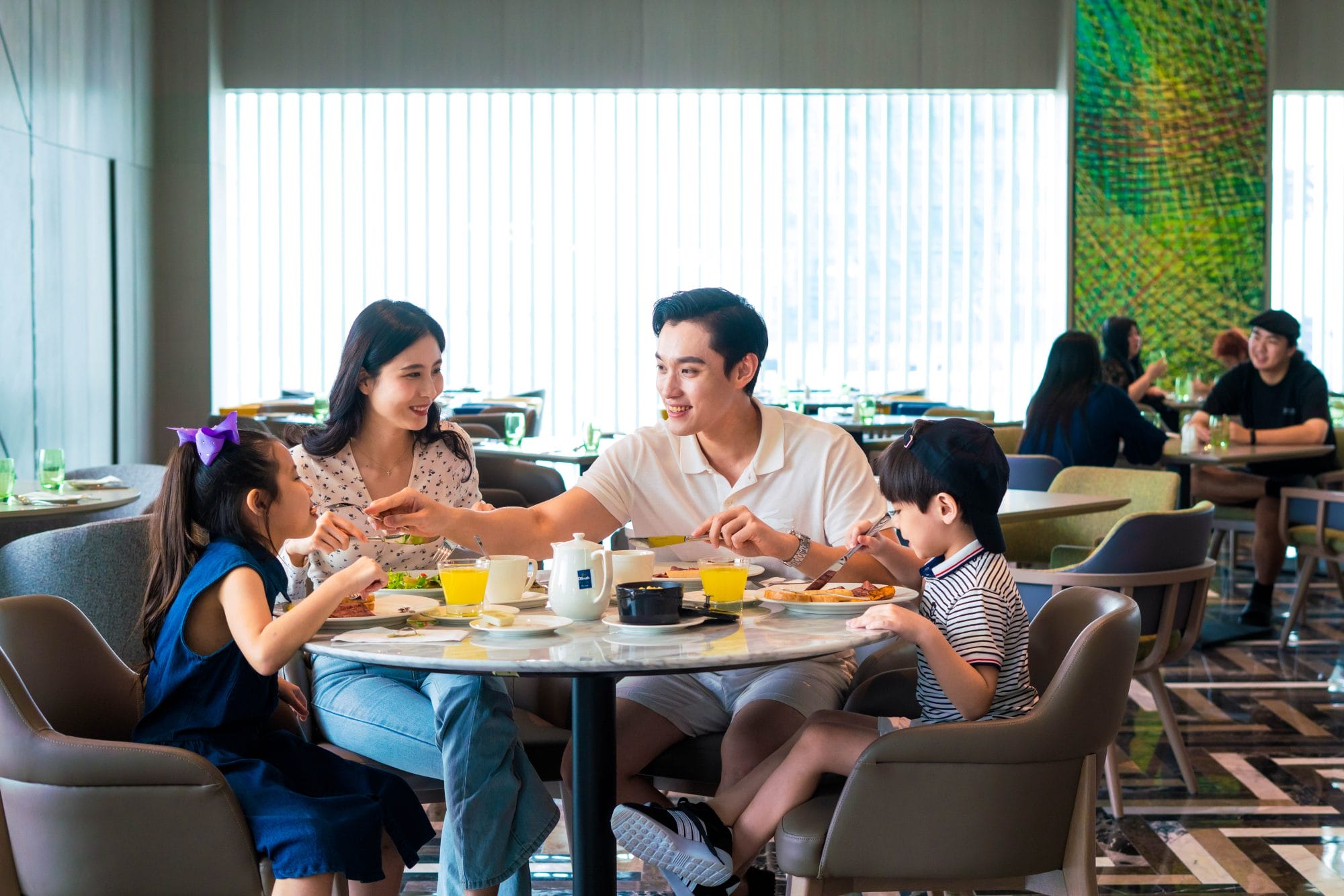
That combination is creating opportunities well beyond Kuala Lumpur. Malaysia’s tourism sector contributed nearly 11% of the country’s GDP in 2025 and supported 2.7 million jobs, according to figures cited in the interview. Domestic tourism has also remained strong, with the number of domestic trips rising to 290.1 million in 2025 from 260.1 million in 2024. The numbers point to a market with plenty of momentum, but they also underline how varied the opportunity has become.
A traveller heading to Langkawi for a weekend is seeking something different from a business visitor staying in central Kuala Lumpur. A family visiting Sabah has different priorities from an international couple looking for a luxury city break. A visitor exploring Melaka may be drawn by heritage and food rather than beaches or resort facilities.
The hotels that succeed in this environment will need to respond to those differences.
What Comes Next

Malaysia’s next phase of tourism may ultimately be defined less by where the biggest hotels are built and more by how successfully the industry responds to changing travel habits.
Kuala Lumpur will remain an important gateway, but the growth of destinations such as Langkawi, Sabah, Penang and Melaka suggests travellers are becoming more willing to look beyond the capital.
For Malaysians, the rise of shorter domestic breaks could make travel within the country an increasingly regular part of everyday life rather than something reserved for an annual holiday. And for international visitors, improved connectivity and a broader range of destinations could make it easier to see more of Malaysia beyond the usual itinerary.
The result could be a hotel market that is more varied, more experience-driven and more closely connected to the character of each destination.
Hilton’s expansion is one example of how the industry is responding to these changes.


