



The ongoing Negeri Sembilan’s constitutional crisis has moved beyond a dispute over the position of Yang di-Pertuan Besar Tuanku Muhriz Tuanku Munawir and into the machinery of government, raising the risk of administrative paralysis as institutions operate under competing interpretations of lawful authority.
Speaking exclusively to BusinessToday, Universiti Teknologi MARA Faculty of Law senior lecturer Dr Ikmal Hisham Md Tah warned that Negeri Sembilan now risks having “two competing chains of constitutional authority operating within the same governmental machinery”.
University Malaya political analyst Dr Mohammad Tawfik Yaakub echoed the concern, warning that a prolonged dispute over the respective powers of the palace, Menteri Besar and state executive council could leave public officials uncertain over which instructions carry lawful authority.
“That does not mean there are two functioning governments but it creates a serious risk of administrative paralysis if the disagreement persists,” Dr Tawfik said.
From Customary Dispute To Administrative Confrontation
Dr Ikmal said the crisis is best understood as a constitutional dispute rooted in Negeri Sembilan’s unique customary system that has gradually acquired political and administrative dimensions.
He clarified that the dispute had in fact begun in March, before escalating in April following what he described as a failure to provide proper minutes of the meeting held on April 17.

From there, the controversy deepened into questions over the constitutional status of the Undangs, the validity of decisions made under the Negeri Sembilan Constitution and whether the procedures concerning the position of the Yang di-Pertuan Besar had been properly followed.
“But once the dispute began affecting the Menteri Besar (MB), state executive councillor (Exco), State Secretary and State Legal Advisor, it could no longer be regarded purely as an internal royal or customs disagreement.
“Custom provides its historical foundation, constitutional law provides the legal framework, and politics and administration have become the arena in which the competing interpretations are now being played out,” Dr Ikmal told BusinessToday.
Dr Tawfik, meanwhile, described the dispute as one involving both constitutional and customary laws which has developed into a political power struggle.
He said the central question remains with who has the authority to determine the position of the Yang di-Pertuan Besar and whether the disputed April proclamation complied with constitutional requirements.
September Was The Turning Point
Nevertheless, both analysts identified September as the moment the dispute shifted directly into state administration.
Dr Ikmal said April produced competing claims surrounding Tuanku Muhriz’s position and the authority of the Undangs, but the dispute took on a fundamentally different character after the Exco sought to implement the proclamation.
“April created the constitutional dispute; September forced institutions to choose how they would act in response to that dispute,” he said, while emphasising that the issue was no longer merely whether the proclamation was valid; but whether the machinery of state government was legally obliged to implement it.
The Attorney-General’s Chambers subsequently said the Exco had no jurisdiction or authority under the Negeri Sembilan Constitution to give effect to the proclamation, while the Dewan Keadilan dan Undang has maintained that Tuanku Muhriz remains the lawful ruler.
Exco Revocation Raises Stakes
The confrontation intensified after Tuanku Muhriz revoked the appointments of 10 Exco members.
That revocation was formally gazetted on Sept 24 and took effect from Sept 20. The gazette cited Article XXXVIII (5) of the Negeri Sembilan Constitution and said the appointments were revoked following a breach of the Exco members’ pledges of allegiance.
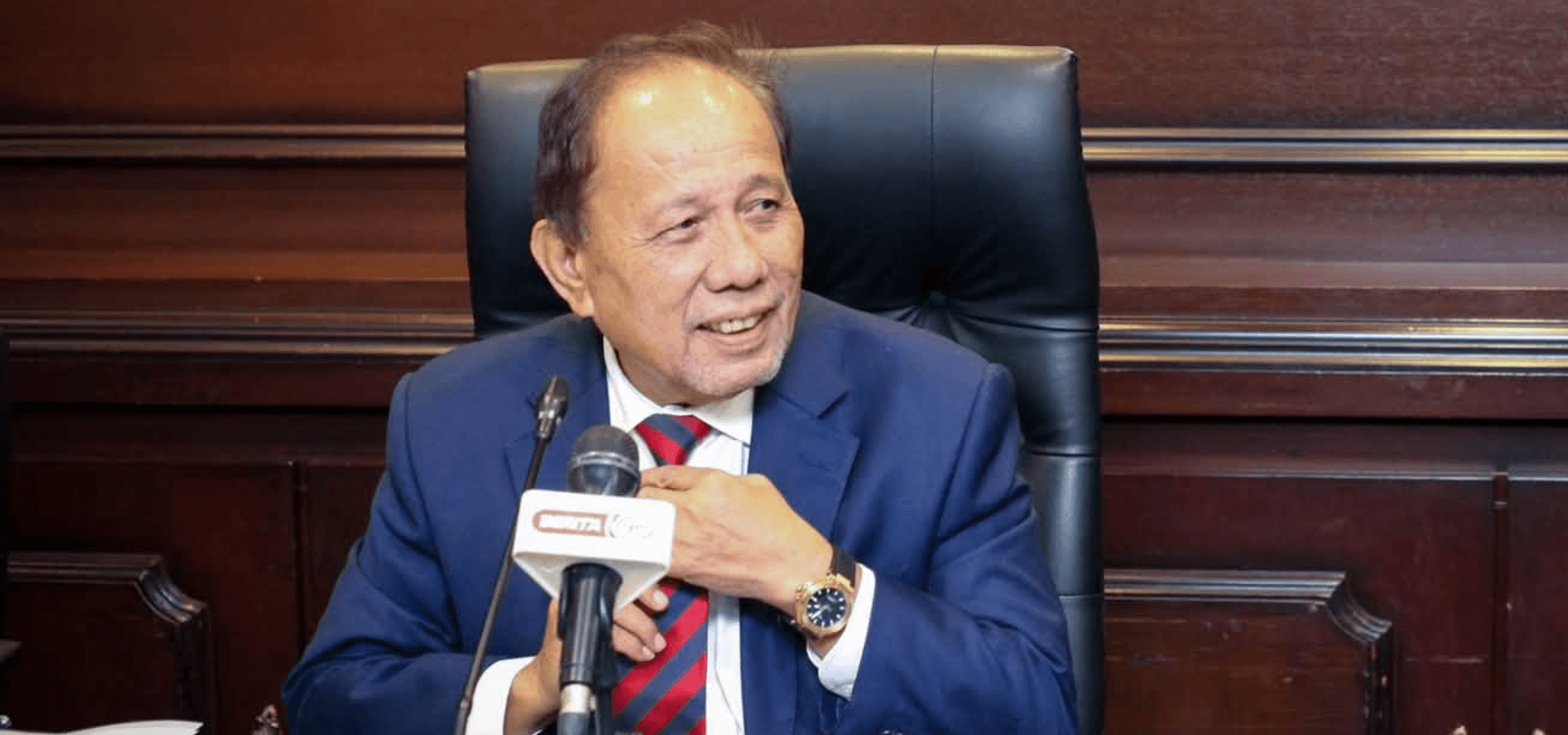
MB Datuk Ismail Lasim has, however, maintained that the existing Exco remains valid, arguing that he had not been consulted over their removal.
Dr Ikmal said the conflicting interpretations create a deeper problem than the existence of two rival governments.
Instead, the same administrative machinery could receive incompatible instructions from institutions that each claim constitutional authority.
That uncertainty could affect appointments, administrative directives, financial approvals and gazettement, he said.
MB’s Position Under Scrutiny

Dr Tawfik also said Ismail should explain what changed between his earlier position on the April proclamation and the Exco’s subsequent attempt to recognise it.
“Ismail had said on Sept 9 that he signed the proclamation under duress and regarded it as invalid, before the Exco later moved to recognise the proclamation and seek its gazettement.
“The people of Negeri Sembilan deserve a clear explanation of this apparent change in position,” Dr Tawfik said.
However, he stressed that the claim of duress is under police investigation and should not be treated as an established fact.
Courts Or Political Compromise?
Dr Ikmal said the crisis has now evolved “from a customary controversy to a constitutional dispute, and now to an executive and administrative confrontation”.
“The danger is not merely political disagreement between personalities; it is institutional uncertainty about the legal source of governmental authority,” he said, adding that litigation could become increasingly important in clarifying the legal effect of disputed government decisions and the powers of the institutions involved.
Fresh Exco appointments could also restore administrative certainty, although that would depend on cooperation between the MB and the Ruler.
Despite that, Dr Tawfik said the immediate priority should be an understanding that keeps essential state administration functioning while the constitutional dispute is addressed through the proper institutions.
“Key developments to watch include whether Ismail submits a new Exco list, further court decisions and whether the parties comply with them,” Dr Tawfik added.
Calls for a new Exco line-up have also emerged, with Negeri Sembilan Pakatan Harapan’s youth wing urging Ismail on Sept 24 to submit fresh nominees to restore clarity and stability to the administration.
For Dr Ikmal, the fundamental question now is whether the crisis can be returned to an agreed constitutional process before disagreement over the throne and customs further destabilises the state’s executive administration.


