


Ministers can change. Rail projects, maintenance schedules and road-safety enforcement cannot afford to stop.
That, according to Monash University Malaysia senior lecturer Dr Andrew Woon, should define the Transport Ministry’s (MOT) next chapter as Anthony Loke remains firm on his decision to step down from the Cabinet.
We do have to caveat this article as the date of publishing, while Loke announced his intention to resign on Sept 19, Prime Minister Datuk Seri Anwar Ibrahim said on Sept 26 that he had yet to receive the formal resignation letter despite the Transport Minister affirmed his decision to leave the cabinet.
Speaking exclusively to BusinessToday, Woon said the immediate priority for MOT should be continuity rather than a wholesale change of direction, particularly with several major transport projects already carrying substantial long-term commitments.
Among them are the Johor Bahru-Singapore Rapid Transit System, the East Coast Rail Link and planned rail connectivity in Johor.
Any significant change in direction under a new minister, Woon cautioned, could introduce delays, uncertainty and additional costs.
Reliability Cannot Lose Momentum
Beyond headline infrastructure, Woon said the next minister should preserve the momentum made in public-transport reliability.
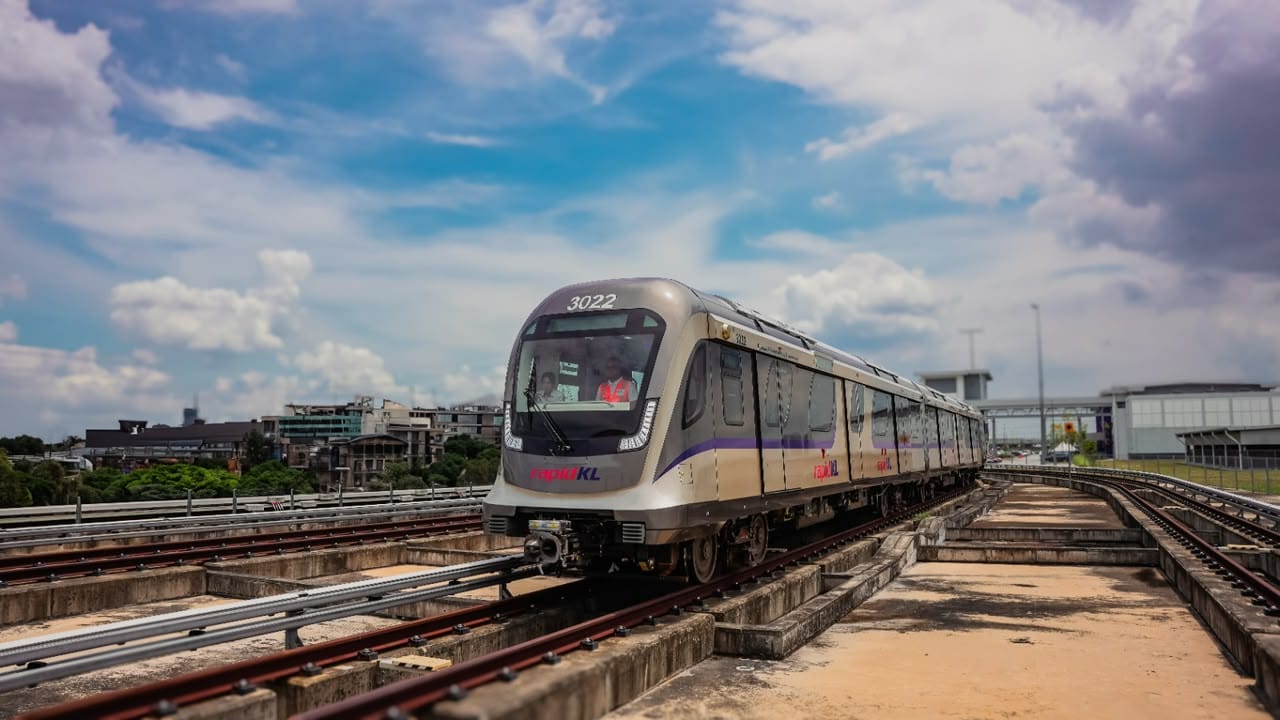
Reported LRT and MRT failures, excluding the monorail, fell from 177 in 2022 to 28 in 2025 and 12 in the first five months of 2026, which he cited as one of the more measurable improvements during Loke’s tenure.
Rather than using a leadership change to reset MOT’s agenda, Woon said the successor should continue prioritising maintenance, reliability and operational performance.
The bigger test, however, may lie outside rail.
Woon warned that road-safety enforcement could be more vulnerable to a change in political leadership, as sustained enforcement often requires continued ministerial backing.
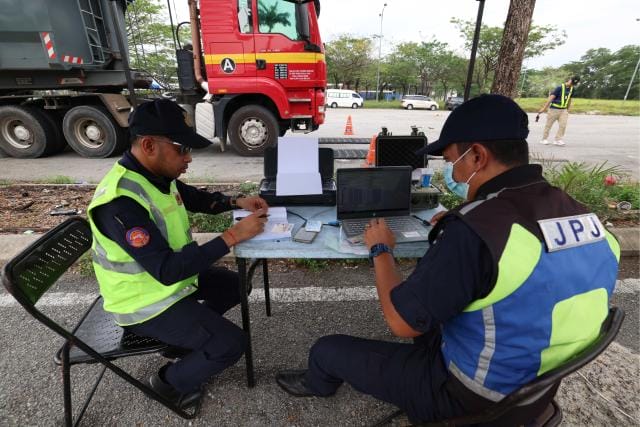
He pointed to MOT’s crackdown on overloaded heavy vehicles, under which more than 169,000 heavy vehicles were inspected in 2025 and over 3,500 found to be overloaded. Malaysia nevertheless recorded 6,537 road deaths in 2025, with motorcyclists and pillion riders accounting for about 66% of fatalities.
“The key distinction is between major projects already embedded within government institutions and enforcement programmes that still depend heavily on sustained political attention,” Woon said.
Who Should Take Over?
On who should replace Loke, Woon stopped short of naming a particular politician, arguing that the more important question is what kind of minister MOT now requires.
In his assessment, a successor should have three qualities: The ability to maintain continuity on major infrastructure projects, enough political authority to sustain difficult enforcement policies and an understanding of transport as a long-term economic and public-service issue rather than merely another political portfolio.
Even if MOT were transferred to another coalition partner, Woon said that would not automatically mean a shift in policy.
The real test would be whether the incoming minister preserves commitments on rail infrastructure, public-transport reliability, digitalisation and enforcement, with implementation capacity taking precedence over party affiliation.
Loke’s Report Card: Delivery, Digitalisation — But Road Safety Lags
Assessing Loke’s time at MOT, Woon highlighted digitalisation, improving rail reliability, the opening of LRT3 and tougher action against overloaded lorries among the more significant developments.
The expansion of the MyJPJ ecosystem moved services including driving licences and road-tax access away from physical counters, while the sharp fall in reported LRT and MRT failures pointed to improved operational reliability.
Woon, nevertheless, stressed that those improvements should also be credited to Rapid Rail, Prasarana and the technical teams involved.
He also highlighted the opening of the 37.8km LRT3 Shah Alam Line, connecting Bandar Utama and Johan Setia, alongside the ministry’s continued enforcement against lorry overloading and proposed measures to hold consignors and consignees accountable.

Woon characterised Loke as a results-oriented minister with a clear vision for improving Malaysia’s transport system, particularly through policies focused on public-transport reliability, digitalisation and road safety rather than solely high-profile infrastructure.
But the record remains unfinished.
For Woon, road safety is the biggest unresolved issue. Despite progress in rail services and digitalisation, the 6,537 deaths recorded on Malaysian roads in 2025 show that improvements within MOT’s administrative and public-transport functions have yet to translate into a comparable improvement in overall road-safety outcomes.
That leaves MOT’s next leadership with a relatively clear challenge: Not to reinvent the ministry, but to make sure the gains already made survive the minister who drove them.
As Woon put it, the longer-term task is to institutionalise these initiatives so they continue beyond the tenure of any individual minister.


