
In an era where financial literacy is increasingly crucial, recent statistics present a concerning picture of Malaysian youth’s relationship with money. As of 2023, approximately 73% of Malaysian youths find themselves burdened by debt, signaling a pressing need for improved financial comprehension among this demographic. This alarming trend highlights the importance of equipping young individuals with essential money management skills early on in life.
Research from the University of Cambridge suggests that our attitudes towards money are largely formed by the age of seven, highlighting the critical role parents play in shaping their children’s financial mindset. However, many parents struggle to initiate these conversations or provide practical experiences due to a lack of knowledge and resources.
In an exclusive interview with BusinessToday, Jopez Academy Founder, Ernest Tan shared insight regarding the collaboration between Jopez Academy and Little Tauke in providing accessible and age-appropriate financial education programmes for children. Their award winning programmes aim to provide a solid foundation for the development of healthy money concepts and long-lasting positive financial habits from an early age.
Motivation Behind the Collaboration
Collaborating with a shared vision to bridge the gap in financial literacy among Malaysians, Jopez Academy and Little Tauke aim to empower youths with essential financial knowledge and skills. Recognising the importance of a holistic approach, their mission encompasses various aspects of financial management, including budgeting, saving, investing, and responsible spending. Leveraging complementary expertise, Jopez Academy focuses on teens and adults, while Little Tauke specialises in children’s financial education.
Extensive research into the challenges faced by Malaysians informs their collaboration, aiming to measure and maximise the impact of their programs on participants’ financial journeys. Beyond formal education settings, community engagement plays a crucial role, reaching out to schools and parents to promote financial literacy. The collaboration is driven by a long-term goal of empowering financially responsible individuals to contribute to Malaysia’s economic well-being.
However, Malaysian youths face numerous financial challenges, including limited access to comprehensive financial education, high student debt, unemployment, rising living costs, and limited access to credit. To address these challenges, initiatives like comprehensive financial education programs, affordable higher education policies, job placement programs, financial inclusion initiatives, public awareness campaigns, mentorship, counselling services, and supportive government policies are crucial for improving the financial well-being of Malaysian youth.
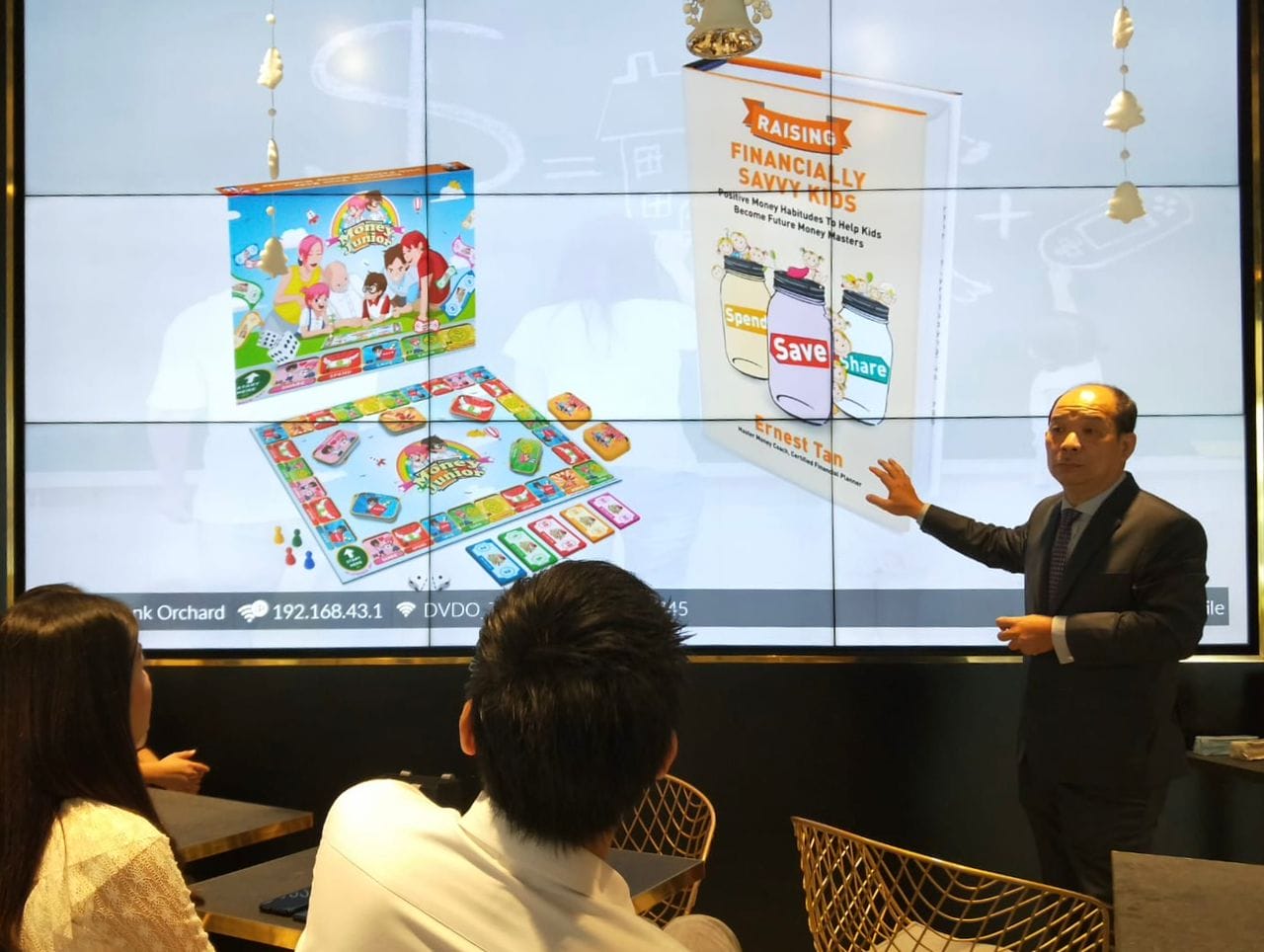
Jopez Academy X Litte Tauke Financial Education Programmes
The comprehensive financial education programmes have been designed to tailor to different age groups, aimed at instilling healthy money concepts and positive financial habits from an early age. Their programmes are strategically designed to cater to the cognitive development and life experiences of children at various stages of growth.
For children aged 3 to 6
The programmes utilise interactive play, financial fairy tales, and visual aids to introduce basic financial concepts such as counting, recognising coins, and understanding the value of money. The use of games and toys makes learning fun and engaging, laying the foundation for financial literacy in a playful manner.
For primary school students (ages 7-12)
They are introduced to more structured lessons on smart buying habits, budgeting through the “money jar system,” and the concept of compounding interest. They learn to distinguish between needs and wants, compare prices before making purchases, and set specific financial goals for saving, spending, and sharing.
For secondary school students (ages 13-15)
They will delve deeper into topics like credit and debt management, basic investing principles, and understanding risk vs reward. They learn about responsible credit card usage, the importance of diversification in investment, and the long-term implications of financial decisions.
For junior college students (ages 16-18)
The focus shifts to practical skills such as part-time job management, advanced investing concepts, and career planning. They explore avenues for generating additional income, understand the impact of career choices on future earning potential, and learn about estate planning and wealth transfer.
For university and young adult learners (ages 18 and above)
They will engage in discussions on financial independent planning, debt management, retirement planning, and digital financial literacy. They learn about creating wills, preserving generational wealth, and practising online security when managing finances in the digital age.
Through interactive workshops, role-playing activities, and real-life case studies, the programmes aim to equip participants with the knowledge and skills needed to make informed financial decisions throughout their lives. By tailoring their programmes to different age groups, they ensure that the content remains relevant, engaging, and age-appropriate, fostering a culture of financial responsibility from an early age.
Ernest’s View on Financial Literacy in Cultural Celebrations, and the Role of Parents and Educators
Ernest believes that cultural celebrations, such as Chinese New Year, serve as opportune moments for parents and educators to introduce and reinforce financial literacy among the younger generation, particularly through the practice of receiving angpao. This tradition of receiving monetary gifts in red envelopes, known as “Hong Bao money,” presents a unique opportunity for children to learn about financial decision-making and responsible money management from a young age.
Parents often face a dilemma regarding the management of Hong Bao money: whether to hoard these gifts or entrust their children with their management. Allowing children autonomy in deciding how to allocate a portion of their Hong Bao money empowers them to make choices and learn from minor financial mistakes under parental guidance. This hands-on experience fosters a sense of responsibility and cultivates essential financial skills, such as budgeting and decision-making.
Moreover, involving children in Chinese New Year preparations, such as crafting the shopping list or participating in spring cleaning, offers practical lessons in financial awareness and work ethic. By linking earnings to specific tasks during spring cleaning, parents can establish a tangible connection between work and financial rewards, instilling valuable lessons about the relationship between effort and financial outcomes.
Beyond the physicality of red envelopes, Hong Bao preparation becomes a family affair that fosters unity and shared responsibility. Parents can take this opportunity to delve deeper into the meaning of Hong Bao, emphasising gratitude for receiving regardless of the monetary amount inside. Through discussions about the significance of these traditions, children gain insights into values like appreciation and sharing, essential components of positive money habits.
Incorporating financial tools and aids into children’s learning experiences further enhances their understanding of financial concepts and habits. Practical activities, such as grocery shopping simulations and DIY entrepreneurship, provide hands-on opportunities for children to learn about earning, spending, and saving. Additionally, interactive learning platforms, family financial discussions, and financial literacy workshops offer structured environments for children to develop essential financial skills and habits in a supportive setting.
Ernest emphasised that by combining cultural celebrations with practical financial education, parents and educators can effectively nurture positive money habits and empower the younger generation to make informed financial decisions throughout their lives. Through hands-on experiences, discussions, and interactive learning opportunities, children can build a solid foundation for financial literacy and navigate the complexities of personal finance with confidence.
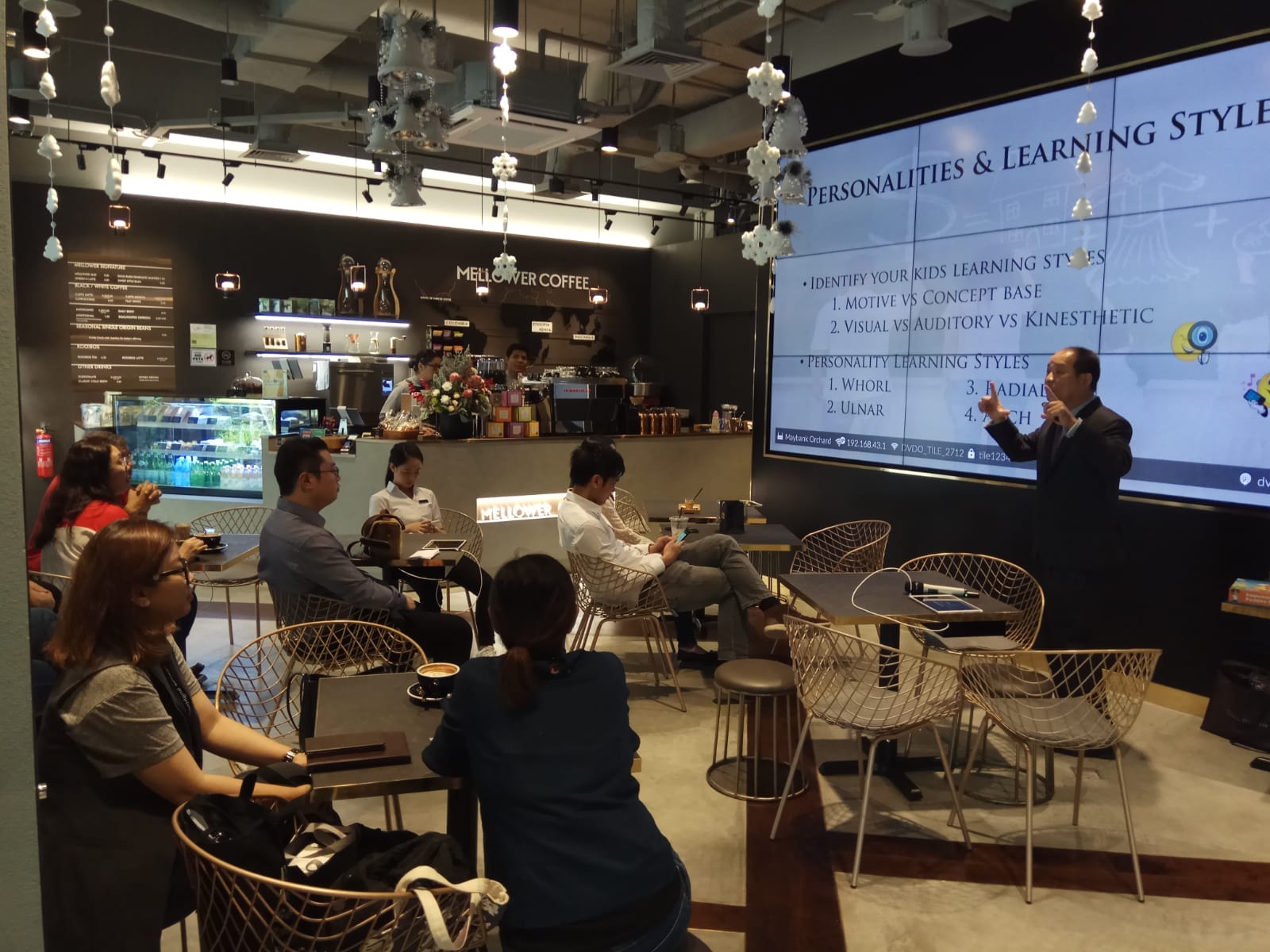
Fostering Financial Literacy to Build a Stronger Future for All
Ernest said increased focus on financial literacy, particularly from an early age, holds immense potential for long-term benefits across society. As the Chinese proverb wisely stated, cultivating positive money habits early in life is invaluable, requiring less effort and expense compared to later attempts at unlearning and relearning.
With a solid foundation in financial literacy, individuals are better equipped to navigate life’s financial challenges, resulting in reduced financial stress and improved overall well-being. Moreover, a financially literate population fosters economic stability by making informed financial decisions, leading to increased savings, reduced debt burdens, and enhanced investment opportunities.
Financial independence becomes attainable through early planning and smart financial management, ensuring a secure future for individuals and their families. Additionally, financial literacy promotes entrepreneurship and innovation, empowers vulnerable populations, enhances consumer protection, and fosters intergenerational wealth transfer.
Looking ahead, Jopez Academy and Little Tauke are committed to furthering financial education and awareness in Malaysia through comprehensive, age-specific curriculums, tailored workshops and camps, and engaging webinars. By instilling financial literacy across all ages and communities, they aim to empower individuals to make wise financial decisions and build a brighter future for themselves and generations to come.