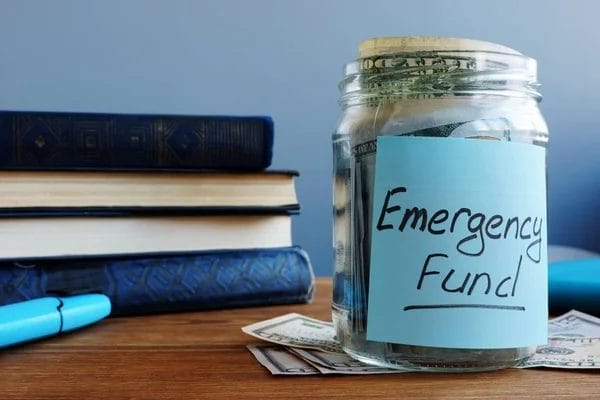
Having an emergency fund is like giving yourself a financial safety net for life’s unexpected twists and turns—whether it’s a car breakdown on your way to a meeting or an unexpected medical bill. As a fellow Malaysian navigating through similar challenges, here’s a personal, step-by-step guide on how you can build a solid emergency fund that suits your lifestyle.
- Set a Clear Savings Goal
First, determine how much you need in your emergency fund. For most Malaysians, especially living in urban areas, aim for at least three to six months’ worth of essential expenses. This should cover rent, bills like TNB and water, groceries, and transport (yes, including those Grab rides!). - Evaluate Your Monthly Expenses
Look through your monthly expenses. If you’re spending on family commitments or regular payments like PTPTN loans, include those in your calculations. Make sure you’re realistic about the minimum amount you need to get by if things go sideways. - Create a Dedicated Savings Account
Set up a separate Tabung in your bank or consider an account that offers higher interest, like ASB or a high-interest savings account from local banks. Having this in a separate account keeps it out of sight and reduces the temptation to dip into it for non-essentials. - Start Small, Aim Big
Don’t feel pressured to hit the big numbers straight away. Start with a smaller goal—maybe RM1,000 to begin with, then build it gradually. For example, you can save RM200 a month from your salary or any side gigs. You can always adjust based on what feels comfortable for your financial situation. - Automate Your Savings
Automating your savings is one of the easiest ways to stay disciplined. Just set up an automatic transfer to your emergency fund right after your salary comes in. Maybank, CIMB, or even Touch ‘n Go eWallet have options for auto deductions. You won’t even notice the money leaving! - Cut Unnecessary Expenses
Here’s where it gets real. Take a look at your spending and see where you can cut back. Maybe it’s that extra Starbucks latte or the frequent food deliveries on GrabFood. Small changes like cooking more at home or opting for public transport can free up more for your emergency fund. - Direct Windfalls to Your Fund
When you get a windfall—like a bonus from work or duit raya from relatives—why not put part of it directly into your emergency fund? Malaysians love gifts, and this way, you’re using them to create financial security for yourself. - Track Your Progress
Keeping an eye on your emergency fund’s growth can be motivating. If you’re using apps like BigPay or your bank’s savings tracker, you can visually see your progress month by month. It helps keep you on track. - Avoid Dipping into the Fund
We’ve all been tempted to use “emergency money” for things that aren’t really emergencies, like sales or tech upgrades. Define what an emergency means to you—maybe it’s medical needs, job loss, or unexpected repairs. That way, you’re less likely to use the fund for impulse buys. - Reassess and Adjust Your Goal
Life changes. You may switch jobs, move to a different city, or take on more family responsibilities. Keep reviewing your emergency fund to make sure it still aligns with your current needs. If you need to save more or if things are tighter, adjust accordingly.
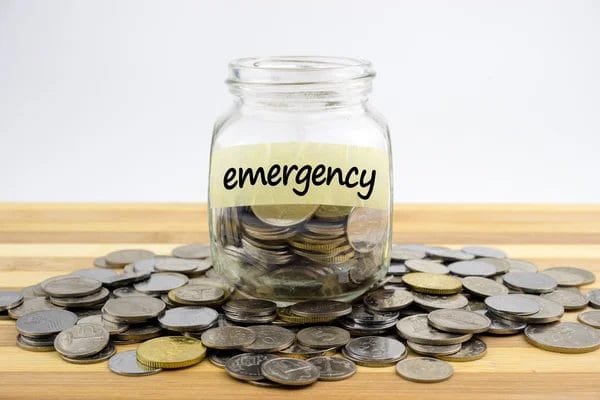
Building an emergency fund is a journey, and it’s completely okay to take it one step at a time. I’m sure, just like me, you want that peace of mind when unexpected expenses pop up—so stay patient and focused, and your fund will grow in no time!