


With urbanisation accelerating globally, the need to modernise ageing buildings has become increasingly critical. About 80% of the buildings that will exist in 2050 are already in place today. As the city progresses, the fate of its older buildings comes into question: should these structures be replaced with modern ones or reserved?
It all comes down to occupant safety and energy conservation. The safety of the ageing buildings depends on several important variables, such as materials used during construction, previous maintenance records, structural soundness, and compliance with contemporary safety regulations. Environment-wise, ageing buildings should be revamped to improve energy efficiency to meet carbon emissions reduction standards.
One important aspect to consider is the impact of infrastructure wear-and-tear within ageing buildings especially the elevator system.
As elevators age, operational issues such as mechanical failure and power outage become more frequent and can disrupt service. Outdated elevator system that no longer meets modern safety standards increases the risk of accidents, like sudden stop or entrapment, while electrical malfunction can lead to injury.
Given that elevators typically have a lifespan of around 15 to 20 years, it is crucial for building owners to consider timely modernisation efforts. While elevators are designed to withstand demanding conditions with regular maintenance, building owners must also explore strategies to extend their lifespan and achieve long-term cost savings.
Two options have been proposed by the elevator and escalator industry leader KONE for building owners who are considering modernising their elevator systems. The first option is full replacement for elevators that are outdated or frequently break down to improve reliability and safety. Where full replacement is not feasible, modular modernisation is offered which involves upgrading specific components like the control system, hoisting machinery, and doors. The latter option not only extends the lifespan of the elevator system but also enhances its performance without requiring a complete overhaul.
Upgrading elevator system also enables building owners to achieve their sustainability goals. While considering the overall impact of building operations, upgrading older elevators can in fact lead to energy savings of up to 70%.
Modernisation includes the use of Artificial Intelligence (AI) analytics to support building owners and managers in optimising performance and pre-empt breakdowns, thereby enhancing energy efficiency and reducing operational costs. For example, around 20% of KONE’s maintenance base presently uses AI tools to evaluate equipment status, which have already increased fault detection by up to 80% and reduced overall fault incidents by 40%.
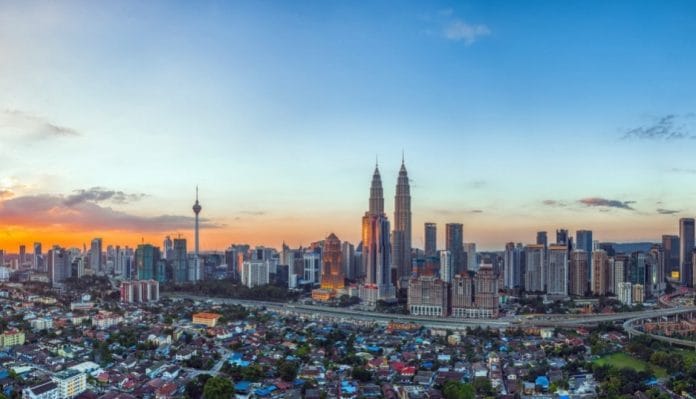
Some of Malaysia’s earliest commercial buildings constructed after the independence date back to the 1980s. For instance, the Dayabumi Complex, completed in 1984, is the first skyscraper built in the country.
As mentioned by the Composites Construction UK, the life expectancy of buildings made from reinforced concrete is between 60 to 80 years, meaning that many of these structures are nearing or have already surpassed their optimal lifespan. Similar trends can be observed in the office space. Over 56% of the total office space in Greater Kuala Lumpur is over 15 years old, according to JLL research.
To restore these landmark and iconic structures back to their optimal state, it’s crucial for building owners to adopt long-term strategies focused on retrofitting and upgrade to ensure these buildings can keep up with modern demand, which includes improved occupant safety and comfort, as well as energy efficiency via the incorporation of green technology.


