


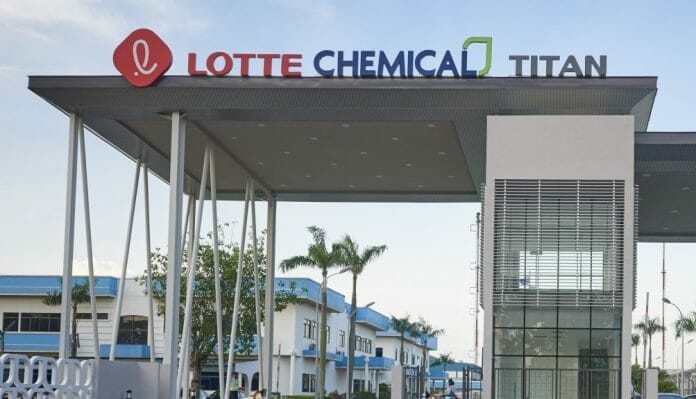
Lotte Chemical Titan (LCT) shut down its Naphtha Cracker #1 (NC1) at Pasir Gudang, Johor, on 15 Dec 2024 due to sustained cash losses over the past two years. CGS International said this is a positive development, as it noted that LCT had recorded gross losses for the past nine quarters since 3Q22 despite reducing its utilisation rate from 69% in 3Q22 to 58% in 3Q24 as the petrochemical price spreads against naphtha was too narrow to recoup the cost of manufacturing PE and PP.
LCT ran its plants at an average utilisation rate of 57% in 9M24 (1Q24: 65%; 2Q24: 47% due to plant turnaround and shutdown activities; 3Q24: 58%) and guided for an average FY24F utilisation of 55-60%. NC1 has a production capacity of 430k tonnes p.a. (ktpa) of various intermediate petrochemicals, such as ethylene (C2) and propylene (C3), while NC2 has capacity of 869 ktpa. A shutdown of NC1 means that LCT will lose 33% of its C2/C3 production capacity, assuming that LCT does not raise the NC2 utilisation rate. Assuming a 55% utilisation rate of downstream HDPE, LDPE, and PP units in FY24F and a 33% loss of production in FY25F, LCT’s effective utilisation rate for FY25F may decline to 37% vs. LCT’s guidance of 55-60% in FY24F LCT unlikely to start operations on Indonesia’s LINE, in our view
CGS said it expects a lower utilisation rate to narrow LCT’s losses in FY25F. However, we keep our forecasts unchanged as the house awaits LCT’s official guidance on its expected FY25F utilisation rate. The key unknown is whether LCT will partially compensate for the shutdown of NC1 by moderately raising NC2’s utilisation rate. Although CGS thinks this may not make economic sense, LCT could be concerned about the risk of permanently losing its customer base to competitors. If economic conditions do not improve in one year’s time, CGS thinks LCT will take even more drastic action, including potentially mothballing the entire Malaysian petrochemical complex, which is old and cost-inefficient, to focus on its new Indonesian naphtha cracker complex (LINE) in the long term. LCT may also draw on support from its South Korean parent company in the form of shareholder loans, CGS opines.
Although the LINE complex is scheduled for physical completion in mid-2025F, CGS said it does not expect LCT to begin commercial operations in the current poor economic environment and also because LCT will not want to start loan principal repayments. The house is upgrading the stock to Hold because LCT is finally taking the action it needs to survive the downturn.
Upside risks include the potential for its parent company to privatise LCT or LCT liquidating its Malaysian or Indonesian assets, which may unlock its BVPS of RM4.25 (as at 30 Sep 2024).
Downside risks include the potential for an impairment of its assets in its upcoming 4Q24F results or a persistently high cash burn rate despite mitigation efforts


