



Are you thinking of embracing a vegan lifestyle, or just intrigued by the growing buzz around plant-based diets? Before you fill your trolley with tofu and kale, it’s worth understanding how veganism might transform your gut.
With insights from Yap Zi Qian, Dietitian at Columbia Asia Hospital, we look at how vegan eating affects digestion and the steps you can take for better gut health.
The Fibre Factor: A Double-Edged Sword
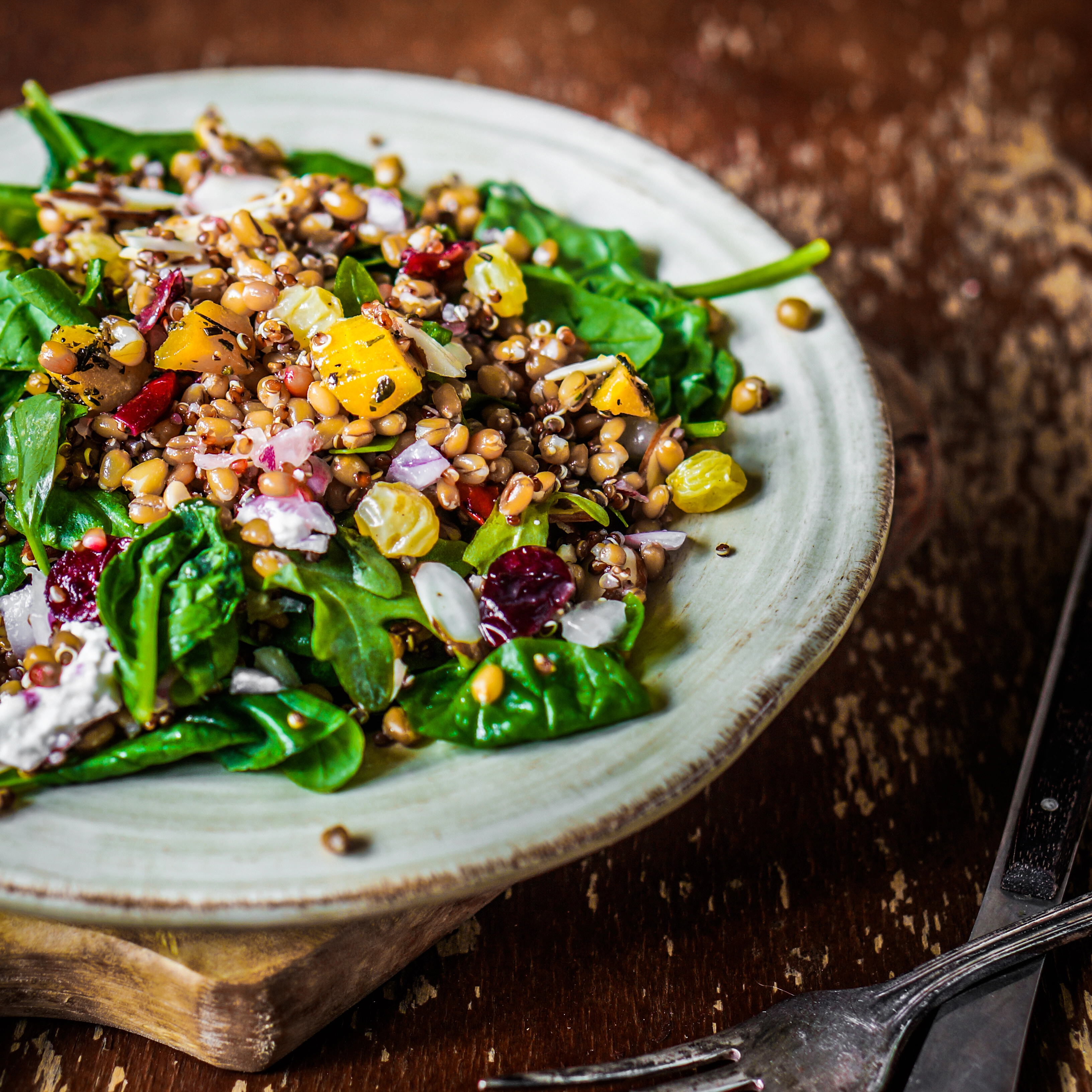
One of the most noticeable changes when switching to a vegan diet is the increase in dietary fibre. Plant-based foods like legumes, oats, fruits, vegetables, whole grains, nuts, and seeds are naturally high in fibre, which plays an essential role in digestion.
Fibre feeds beneficial gut bacteria, helps regulate bowel movements, and supports cholesterol and blood sugar control. But transitioning too quickly from a low-fibre diet can lead to bloating, gas, or discomfort.
To ease the shift, it’s best to increase fibre gradually over two to three weeks. Staying hydrated—by drinking six to eight glasses of water daily—helps fibre move through the digestive tract.
Cooking cruciferous vegetables, soaking legumes, and limiting raw garlic and onions can also help reduce gas and bloating. Eating smaller, more frequent meals may ease digestive strain. Because everyone’s gut reacts differently, keeping a food and symptom diary can help identify what works best.
Gut Microbiome: Feeding the Good Bacteria
A high-fibre vegan diet offers powerful support for the gut microbiome. Whole plant foods rich in resistant starch and oligosaccharides are fermented by gut bacteria, producing short-chain fatty acids (SCFAs). These SCFAs reduce inflammation, strengthen the colon, improve cholesterol metabolism, and help protect against conditions like IBS and IBD.
Vegan diets stand out because they are rich in prebiotics, the fibres that nourish beneficial gut bacteria. Foods such as garlic, leeks, bananas, oats, and whole grains provide these important prebiotics.
When paired with probiotic-rich plant foods—like tempeh, kimchi, miso, sourdough, or dairy-free yoghurts with live cultures—the result is what’s called a synbiotic effect. This partnership helps the gut maintain balance, reduces inflammation, and strengthens the intestinal barrier.
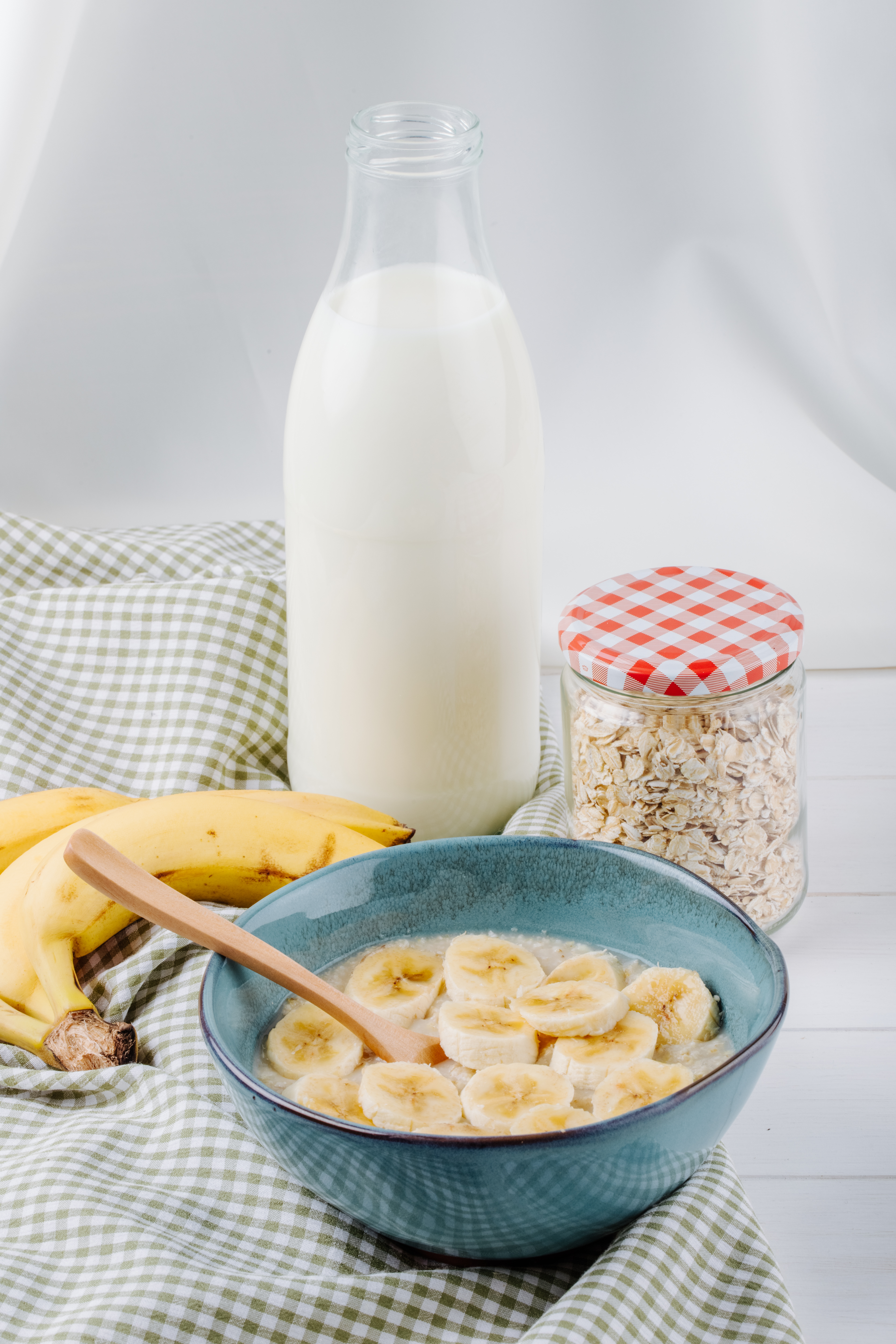
Simple meal pairings such as overnight oats with banana and dairy-free yoghurt, miso-based soup with leeks, or brown rice alongside kimchi stew, offer an easy way to create these beneficial synbiotic combinations.
Enzymes and Nutrient Absorption
Nutrient absorption is a common concern for those considering a vegan diet, especially for iron, zinc, calcium, and vitamin B12. These nutrients can be harder to absorb from plant sources, but with time and planning, the body can adapt.
Pairing iron-rich foods like lentils or chickpeas with vitamin C sources such as tomatoes or citrus fruits can improve iron absorption. Fermented foods like tempeh and miso support digestion, while fortified plant milks provide key nutrients such as calcium and vitamin B12.
A great local example is Tempeh Asam Pedas served with brown rice and ulam-ulaman. The tempeh supplies probiotics along with iron and calcium. Tamarind and tomatoes in the dish boost vitamin C, helping with iron absorption.
Brown rice provides prebiotic fibre, and ulam—a mix of traditional Malaysian herbs and raw vegetables—adds even more gut-friendly benefits. Add a glass of fortified soy milk to complete the meal, ideally unsweetened and enriched with calcium and B12.
When done thoughtfully, a vegan diet can be a strong ally for gut health. A gradual increase in fibre, mindful nutrient pairing, and synbiotic food combinations can improve digestion, support good bacteria, and reduce inflammation.
If you’re considering making the switch, especially with digestive health in mind, speak to a dietitian. A personalised plan can help you transition smoothly and stay well-nourished along the way.

