Sustainability discussions have taken centre stage in recent years, with Environmental, Social, and Governance (ESG) criteria becoming the buzzwords in corporate responsibility. Yet, many experts argue that despite the mainstream adoption of ESG, significant gaps remain in how these frameworks are applied and their overall effectiveness.
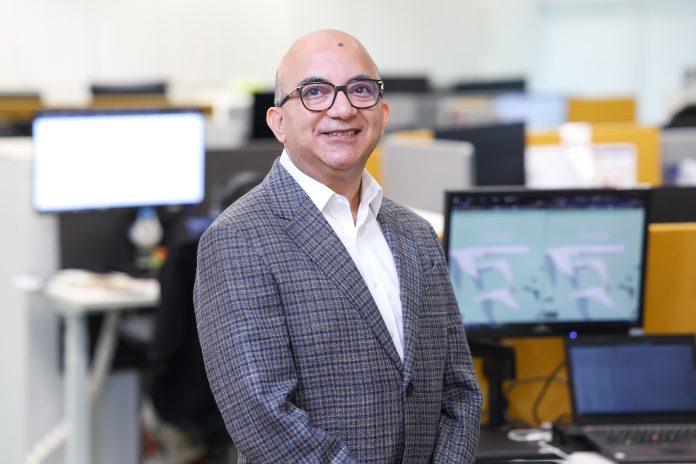
One such voice is Rajeev Peshawaria, CEO of Stewardship Asia Centre, who challenges conventional thinking around ESG and advocates for a more dynamic approach to sustainable business. In an interview with BusinessToday, he explained why ESG in its current form is not delivering – and how businesses can shift towards meaningful change.
Why ESG Falls Short
Rajeev Peshawaria believes the ESG framework is misaligned because it treats environmental and social issues as costs or compliance exercises rather than opportunities for profitable innovation.
“Businesses have been encouraged to consume less or sacrifice profit for purpose, but that runs counter to natural human and corporate instincts,” he explains.
Governance—the “G”—has become the default lever, with boardrooms focused on regulation, risk and finance. While this minimises harm, it does little to maximise good or drive real solutions.
The original aim of ESG was responsible growth, but well-meaning strategies have produced loophole-seeking, ineffective funds and a culture of fear and “greenwashing”. Peshawaria argues that regulation and alarmism rarely lead to meaningful change.
Instead, he insists that it is profit that will save the world: companies must build models that solve human problems and make money in the process, with profit as the outcome of genuine impact rather than a casualty of compliance.
From ESG to ESL
Rajeev Peshawaria’s solution to the shortcomings of ESG is to reframe it as ESL, where the “L” stands for Steward Leadership. At its core, steward leadership means having a genuine, persistent commitment to creating a better future—for stakeholders, society, future generations and the environment.
Rather than seeing profit and purpose as competing forces, this approach channels the natural instinct for profit into solving pressing challenges such as climate change, inequality and technological misuse. “It’s not about doing good out of charity; it’s about making money by solving real problems,” Rajeev explains. “The companies that embrace this mindset are the ones that will thrive in the long term.”
By adopting steward leadership, sustainability shifts from being a compliance burden to a driver of growth and innovation. Companies like Patagonia, Tata and Malaysia’s Farm Fresh demonstrate this in practice—proving that financial success can go hand-in-hand with social and environmental impact.
Shifting the Mindset: Building the DNA of Steward Leadership
For Rajeev Peshawaria, the most significant barrier to meaningful sustainability is not regulation or funding but mindset. Too many companies see sustainability as a cost rather than a growth opportunity.
“If you tack ESG onto an existing business just to tick boxes, it will feel like a drain. But if you start by asking, ‘Which human problem can I solve profitably?’ then sustainability becomes the business itself.”
This mindset shift is crucial in today’s transparent economy, where consumers and regulators alike scrutinise inaction closely. Rajeev warns, “Profit and purpose are inseparable. If you don’t innovate to solve real problems, either regulation will kill your business, or the consumer will.”
To cultivate steward leadership, Rajeev highlights five core values that form what he calls the Steward Leadership Compass:
- Interdependence: Recognising that a company’s success is deeply tied to the well-being of society.
- Long-term View: Thinking in generations rather than quarterly results, focusing on sustainable outcomes.
- Ownership Mentality: Seeking success by adding genuine value to society, not just chasing short-term profits.
- Creative Resilience: Persisting through failure, innovating continuously to overcome challenges.
- Ethical Integrity: Going beyond legal compliance to consider long-term ethical impacts of decisions.
When these values are ingrained into a company’s DNA, they guide every decision and action, helping build the resilience needed to innovate profitably for the future.
Practical Steps Forward
For businesses hesitant about sustainability due to perceived costs, Rajeev advises centring decisions around purpose: “Which human problem am I going to solve profitably?” This guiding question steers innovation and strategy, ensuring companies deliver real value that customers and regulators reward.
To support this cultural transformation, Stewardship Asia Centre offers education programmes for corporate boards and companies globally.
One notable initiative is the Stewardship Commons, an online, crowd-sourced platform where ideas and innovations for environmental and social impact are shared freely. The goal is not just compliance but embedding an organisational culture that thrives by doing well by doing good.
Overcoming Fear and Building Creative Resilience
The journey to steward leadership is not without challenges. Innovation involves risk and failure, and Rajeev encourages companies to cultivate creative resilience—the ability to persist through setbacks and keep innovating. According to the 80/20 rule, convincing just 20% of leaders to adopt this mindset can catalyse significant change.
History supports this approach: companies like Faber Castell, with 270 years of stewardship-led growth, the IRR Group of the Philippines (200 years), and Tata Group in India (155 years) demonstrate how intentional, value-driven leadership can sustain profitable growth across centuries.
A Choice for the Future
Rajeev’s message is ultimately pragmatic rather than moralistic. “This is not about saving the world out of the goodness of your heart,” he concludes. “It’s about recognising that the only way to make money sustainably in today’s world is by solving human problems. Do that, and you’ll not only stay profitable, but also build a business that lasts for generations.”