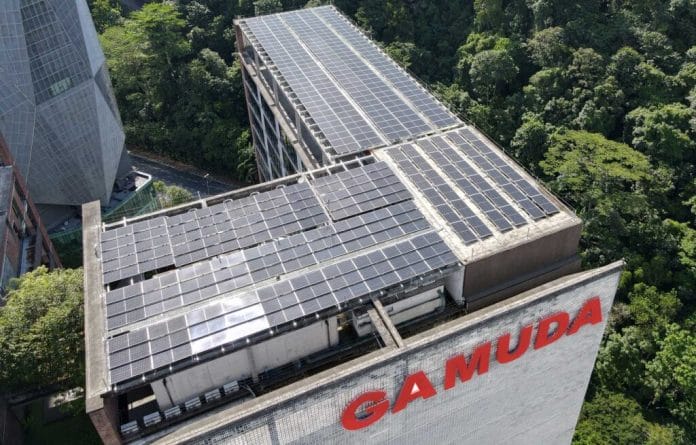
The construction sector is expected to remain on a strong footing in 2026, underpinned by sustained data centre investments and a robust pipeline of infrastructure projects, according to Kenanga Investment Bank.
Data from the Construction Industry Development Board (CIDB) showed contract awards reached near-record levels of RM232.0 billion in 2024 and RM225.5 billion in 2025, significantly above the historical average of RM140 billion to RM150 billion annually.
Kenanga maintains its 2026 contract award forecast at RM180 billion, supported by ongoing public-sector rollouts and strong private-sector momentum, particularly in data centre developments.
Data Centres Anchor Sector Growth
The research house expects data centres to remain the primary growth driver, fuelled by continued investments from global technology firms. In 2025 alone, multiple land deals involving US tech giants were recorded, including acquisitions by Microsoft and Pearl Computing for expansion projects.
Key industry players such as Gamuda Berhad, Sunway Construction Group Berhad and IJM Corporation Berhad are actively bidding for upcoming data centre contracts.
Gamuda, for instance, has secured a strategic foothold in large-scale data centre developments, including projects that could generate between RM14 billion and RM20 billion in construction value at its Springhill Industrial Park site.
Meanwhile, data from Tenaga Nasional Berhad indicates that 56 data centre projects with a combined capacity of 7.5 gigawatts have secured energy supply agreements, with 35 already completed. Kenanga expects the sector to add around 700 megawatts of new capacity annually, translating into roughly RM21 billion in construction value each year.
Infrastructure Pipeline Provides Support
Despite slower-than-expected rollouts, several major infrastructure projects are expected to support sector activity in the near term. These include the Penang LRT Mutiara Line, Phase 2 of the Pan Borneo Highway, the Sabah-Sarawak Link Road, Subang Airport redevelopment and the Johor E-ART system.
Longer-term catalysts include the Kuala Lumpur–Singapore High-Speed Rail project, while water infrastructure projects in Sabah and Perak are also in the pipeline.
Rising Costs Pose Mixed Impact
However, the sector faces growing cost pressures due to higher building material and logistics costs, largely driven by geopolitical tensions in the Middle East.
Diesel price increases are a particular concern, as they are typically not pass-through costs in existing contracts, potentially squeezing margins. In contrast, some material costs are partially mitigated through pass-through clauses.
Kenanga noted that the impact varies across companies. For example, Gamuda’s overseas projects, which operate on cost-plus models, are better insulated from cost fluctuations, while domestic projects remain more exposed.
Sector Outlook Remains Positive
Despite near-term headwinds, Kenanga maintained an “overweight” call on the construction sector, citing strong multi-year growth prospects driven by data centre investments and sustained capital expenditure from global tech players.
Gamuda remains the top pick, supported by its strong order book, positioning in data centre tenders and expanding renewable energy ventures. The research house also favours Sunway Construction and IJM among large-cap players, while identifying Kerjaya Prospek, Kimlun and WCT Holdings as attractive mid- and small-cap exposures.
Overall, the sector is expected to benefit from a multi-year upcycle extending through 2026, with data centre projects continuing to underpin growth despite cost pressures and geopolitical uncertainties.