


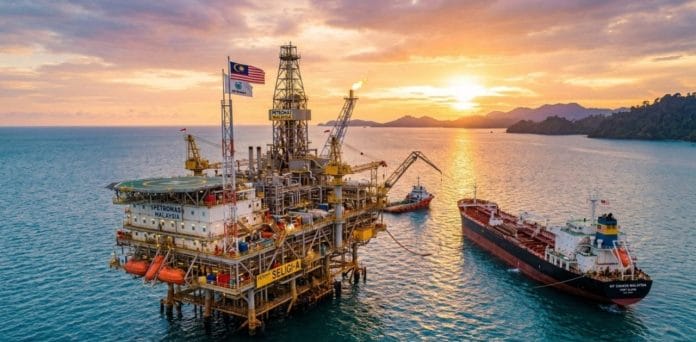
Malaysia may have secured its fuel supply for now, but economists warn the bigger question is what happens after June.
Following Petronas latest assurance that nationwide fuel supply is sufficient through end-June, analysts say the extension offers only a temporary buffer as global energy risks remain elevated.
Economists warn that the assurance should not be mistaken for long-term stability, with risks beyond June still heavily dependent on geopolitical developments and supply chain conditions.

Geoffrey Williams described the update as a “relief”, but cautioned that immediate demand-side measures are needed to avoid future strain. He proposed cutting the subsidised RON95 quota to 100 litres and expanding work-from-home (WFH) arrangements across both public and private sectors, estimating that such steps could reduce daily fuel consumption by 25% to 30%.
“These measures could cut daily fuel consumption by 25% to 30%,” Geoffrey said, adding that businesses and consumers must avoid panic buying or stockpiling, which could destabilise supply and create unnecessary pressure on the system.
While the near-term risk has eased, Monash University Malaysia Senior Lecturer Dr Andrew Woon said, the outlook beyond June remains highly uncertain, hinging on geopolitical developments, supply chain stability and fiscal capacity.

Woon added that Malaysia must strengthen structural safeguards, including enforcing mandatory minimum inventory levels for private fuel retailers such as Shell and Petron, which together account for a significant share of domestic supply.
“From a policy perspective, the government should enforce Mandatory Minimum Inventory Levels (MMIL) for private retailers. Given that Petronas supplies only about 50% of the domestic market, the remaining 50% including Shell, Petron and others should be subject to stricter and more transparent inventory floor requirements,” he said.
He also called for faster diversification of supply sources beyond the Middle East, including long-term agreements with producers in West Africa, Australia and North America, alongside more active fuel price hedging to manage volatility in the second half of the year.
From a business standpoint, Woon mentioned that companies heavily reliant on transport and logistics could face liquidity pressures if fuel dynamics shift abruptly after June, particularly without contingency measures such as fuel surcharges or operational adjustments.
“Businesses with high exposure to transportation costs and no “Plan B” such as fuel surcharges or a shift to renewable energy could face a significant liquidity crunch starting in July,” Woon added.
Woon also said that this is an opportunity for businesses to rethink their energy exposure, including improving efficiency or transitioning towards alternatives such as electric vehicles. Adding that broader adoption of WFH could also help ease overall demand.
Background
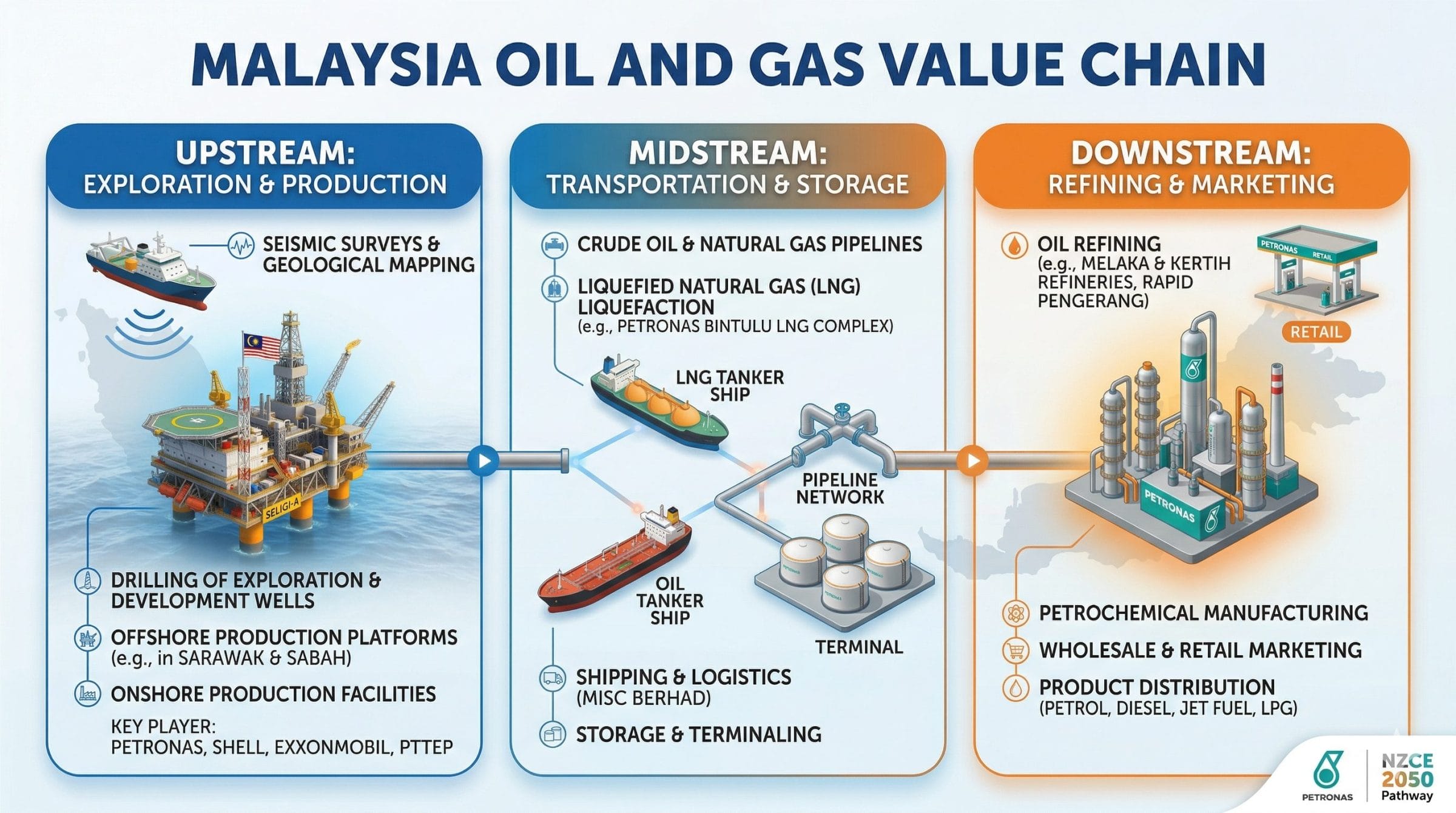
Petronas said fuel supply across its nationwide retail network is now secured through end-June 2026, an extension from its earlier projection of end-May, as it continues to actively manage supply chains amid the ongoing global energy crisis linked to the West Asia conflict.
The national oil company supplies about 50% of Malaysia’s fuel needs through Petronas Dagangan Berhad, with the remainder provided by other oil companies operating in the country.
Yesterday, Prime Minister Datuk Seri Anwar Ibrahim also indicated that Petronas may explore negotiations with Russia as part of proactive efforts to secure additional oil supply, as the government looks to ensure sufficient energy reserves amid ongoing global uncertainties.


