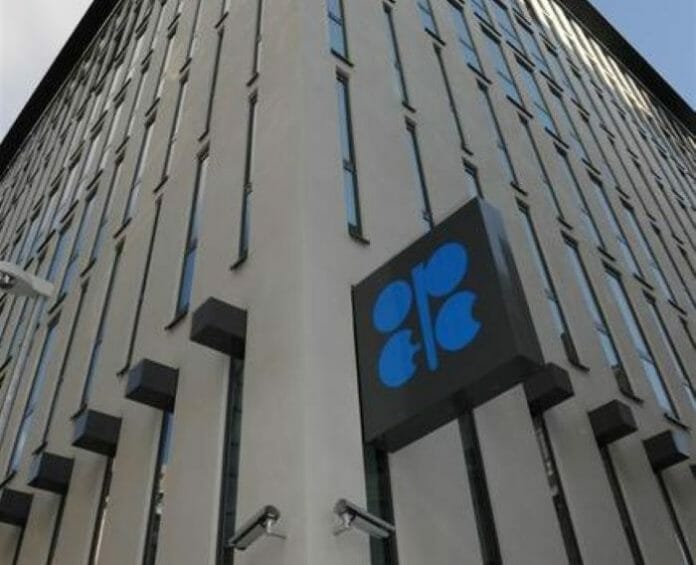
The global oil market may be entering a new era of fragmented pricing power and heightened volatility following the United Arab Emirates’ (UAE) potential departure from OPEC and its broader alliance OPEC+, according to economists and analysts who say the move could fundamentally weaken coordinated supply management.
Rather than a routine policy divergence, the group told BusinessToday exclusivelythat they increasingly view the UAE’s decision as a structural break from cartel-driven output discipline, one that could reshape how oil is produced, priced, and politically leveraged.
Cracks in Cartel Discipline

Monash University Malaysia’s School of Business lecturer Dr Javed Kamal said the UAE’s exit reflects its desire to expand production beyond OPEC-imposed limits, which could lift global supply over time and place downward pressure on prices.
However, he warned that the longer-term outlook is far from stable as he noted that while increased UAE output may help ease inflationary pressures, the uncertainty over production responses from other key producers, particularly Saudi Arabia, could offset any price stability gains.
“There may not be any good news for energy-importing countries in the long run, given the uncertainty around production levels,” he told BusinessToday, adding that markets are likely to price in a higher risk premium.
Dr Javed also highlighted the potential structural impact on OPEC’s influence. If the UAE exits, the group’s share of global oil supply could fall significantly, weakening its ability to manage prices and increasing the risk of strategic rivalry among producers.
From Managed Markets to Competition
Economist Geoffrey Williams, meanwhile, said the implications are even more direct: The UAE’s exit effectively removes production constraints, allowing it to raise output and boost revenues while increasing global supply availability.
He argued this could reduce the cartel’s ability to manipulate prices and potentially make oil markets more efficient.

“If OPEC folds, oil markets would be freed up, and oil prices would be lower and less volatile,” he told BusinessToday, adding that the UAE’s move could encourage further exits among other members.
Pricing Relief, But Not Stability
However, Bank Muamalat Malaysia Bhd chief economist Dr Mohd Afzanizam Abdul Rashid said the shift should be viewed positively from a market efficiency standpoint.
He argued that cartel-based supply controls distort pricing and investment returns, noting that the UAE’s push to maximise production is also tied to investment recovery targets and return-on-capital objectives in its oil and gas sector.
He added that greater supply flexibility could ultimately benefit consumers through more responsive pricing mechanisms, although near-term prices remain elevated due to geopolitical risks, including tensions in the Middle East.
A Turning Point for Global Energy
Overall, across all three perspectives, a common theme emerges: The potential unwinding of coordinated production control is reshaping oil from a managed geopolitical commodity into a more competitive, but less predictable, global market.
Dr Javed warned that this transition could usher in an era of heightened price volatility, as production decisions become more fragmented and less coordinated.
He also raised the possibility of future price wars, particularly if rivalry intensifies between major producers.

Beyond pricing dynamics, the economists say the broader implication is a redefinition of global energy diplomacy.
“With traditional producer coordination weakening, influence may increasingly shift toward individual large producers rather than collective blocs, altering how supply power is exercised,” they said.
This fragmentation could also accelerate the global energy transition. As oil markets become more volatile and less centrally controlled, policymakers and businesses may face stronger incentives to diversify energy sources and accelerate investment in renewables such as solar and other clean technologies.
In the near term, they expect oil prices to remain supported by geopolitical tensions, particularly in the Middle East. But over the longer horizon, the UAE’s move may be remembered as a turning point, marking the gradual erosion of cartel-era oil pricing and the rise of a more competitive, unpredictable global energy market.