


Malaysian contemporary art is heading back to Europe. G13 Gallery returns to Art International Zurich 2026 this May, bringing three artists to Puls 5 Event Hall. Running from May 8 to 10, the showing puts a tight focus on material, process and how artists from Southeast Asia are shaping their own narratives on an international stage.
G13 Gallery first made waves at Art International Zurich in 2025, debuting with a strong Malaysian lineup that caught the eye of international collectors and critics.
The inaugural showing highlighted emerging talents through vibrant, narrative-driven works, setting the stage for cross-cultural conversations and proving the gallery’s knack for bridging Southeast Asian artistry with Europe’s discerning audience—this year’s return at Booth 44 builds directly on that momentum.
At Booth 44, the lineup features Anisa Abdullah, Najib Bamadhaj and Nik M Shazmie. Their styles are very different, but they connect through shared ideas around place, memory and how environments are experienced and reinterpreted.
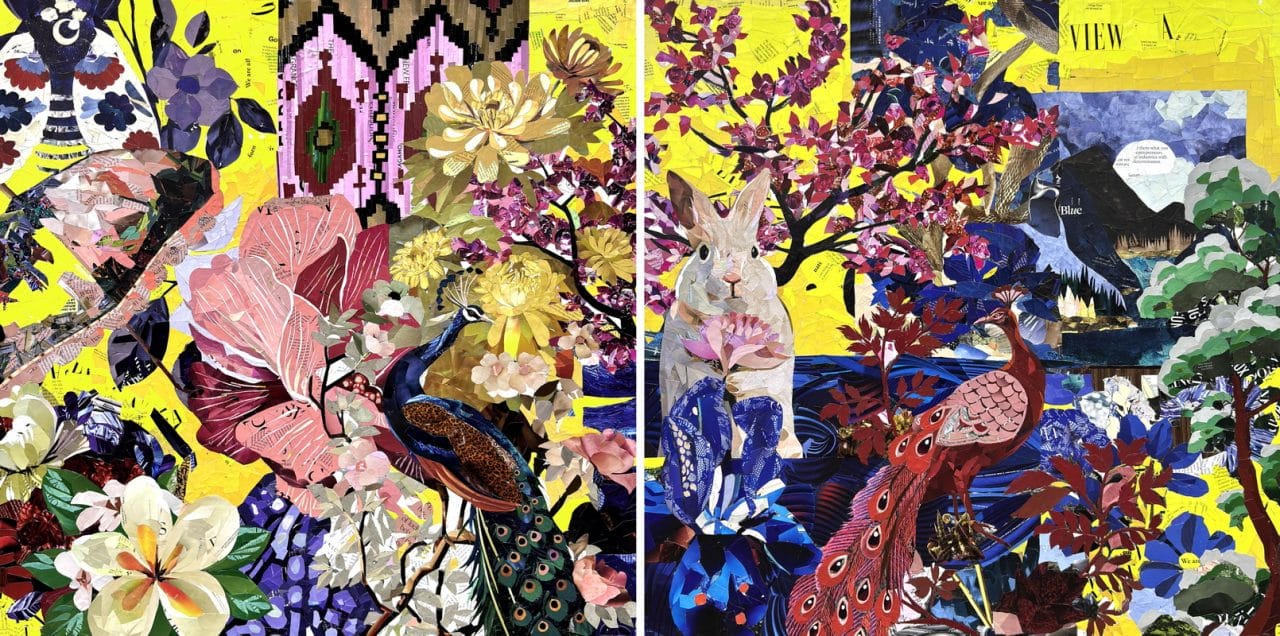
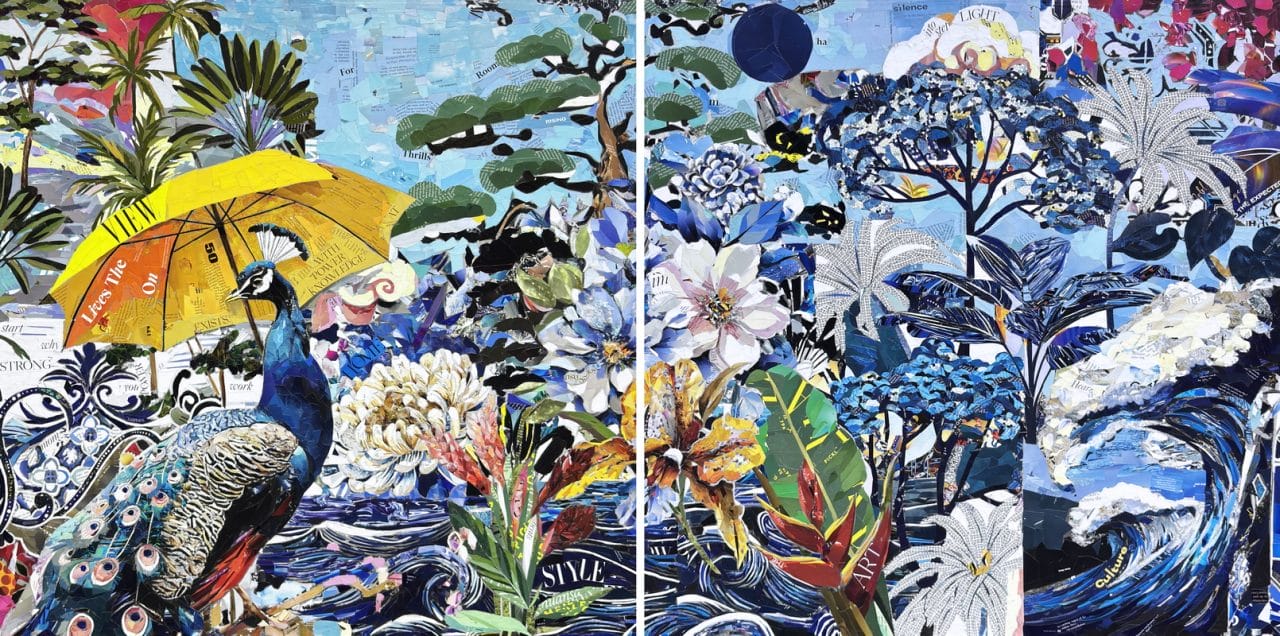
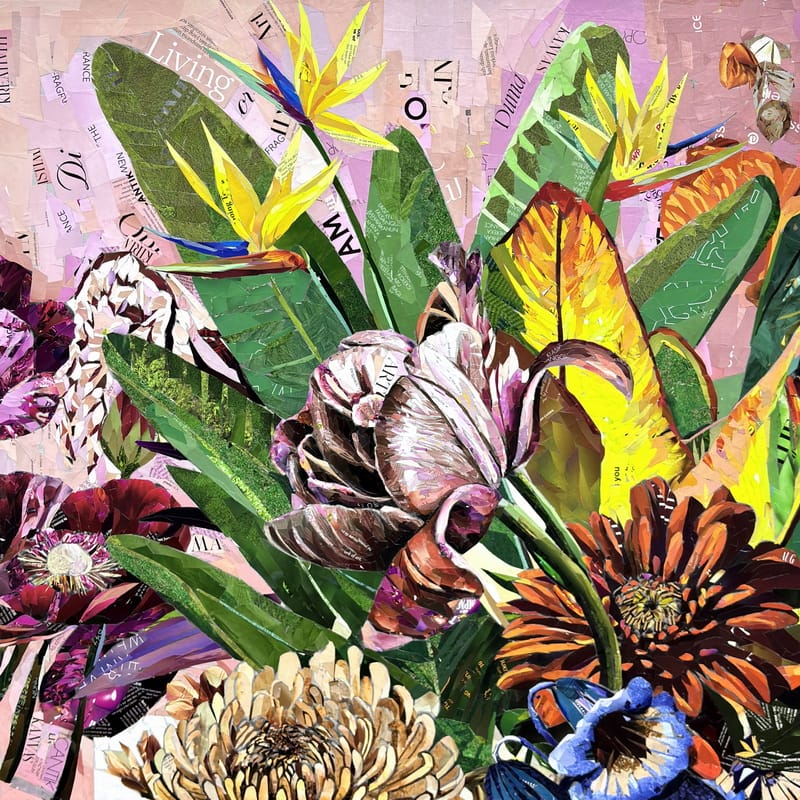
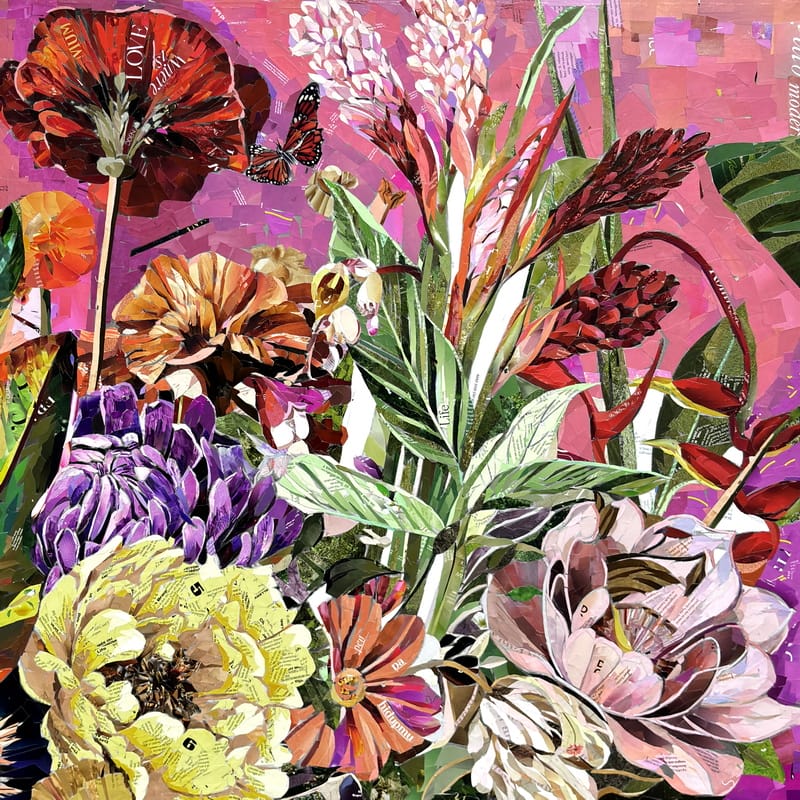
Anisa Abdullah works with paper collage, using cuttings from magazines to build detailed scenes of plants and wildlife. Up close, the works are all fragments.
Step back, and they come together into something precise and surprisingly lifelike. Pieces like Teduh Awan Biru (The Blue Canopy) and Dikala Senja Kuning (When Evening Falls) show how everyday materials can be reworked into something immersive without losing their original texture.
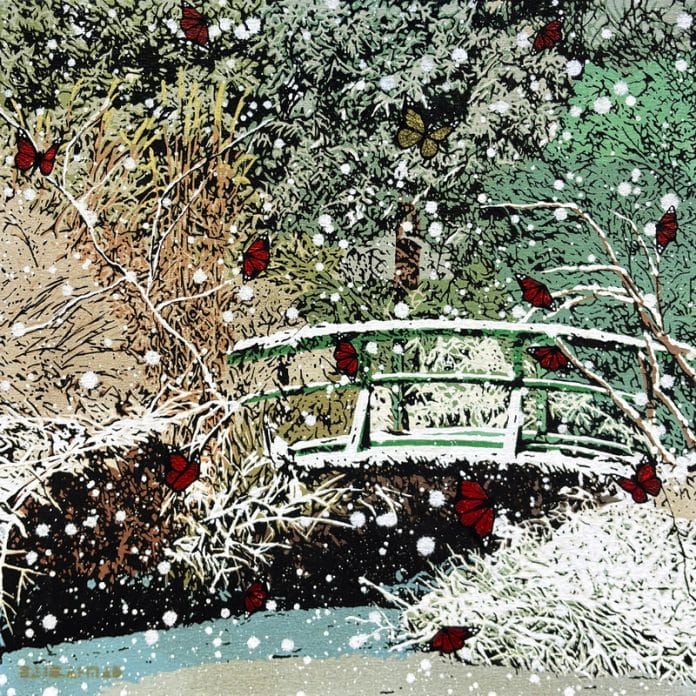
Najib Bamadhaj’s Promised Garden series takes a different route, drawing from Claude Monet’s Garden but focusing more on surface and atmosphere than direct references.

His use of acrylic, bitumen and gold leaf creates layered works that shift depending on how you look at them. Notes to Winter I and Notes to Winter II feel quiet but deliberate, built around the idea that beauty takes time to develop.
Nik M Shazmie continues his Rumah Kita series, turning the idea of “home” into something visual and structural. His works combine architectural forms with clay-like textures and the unmistakable shape of the durian.
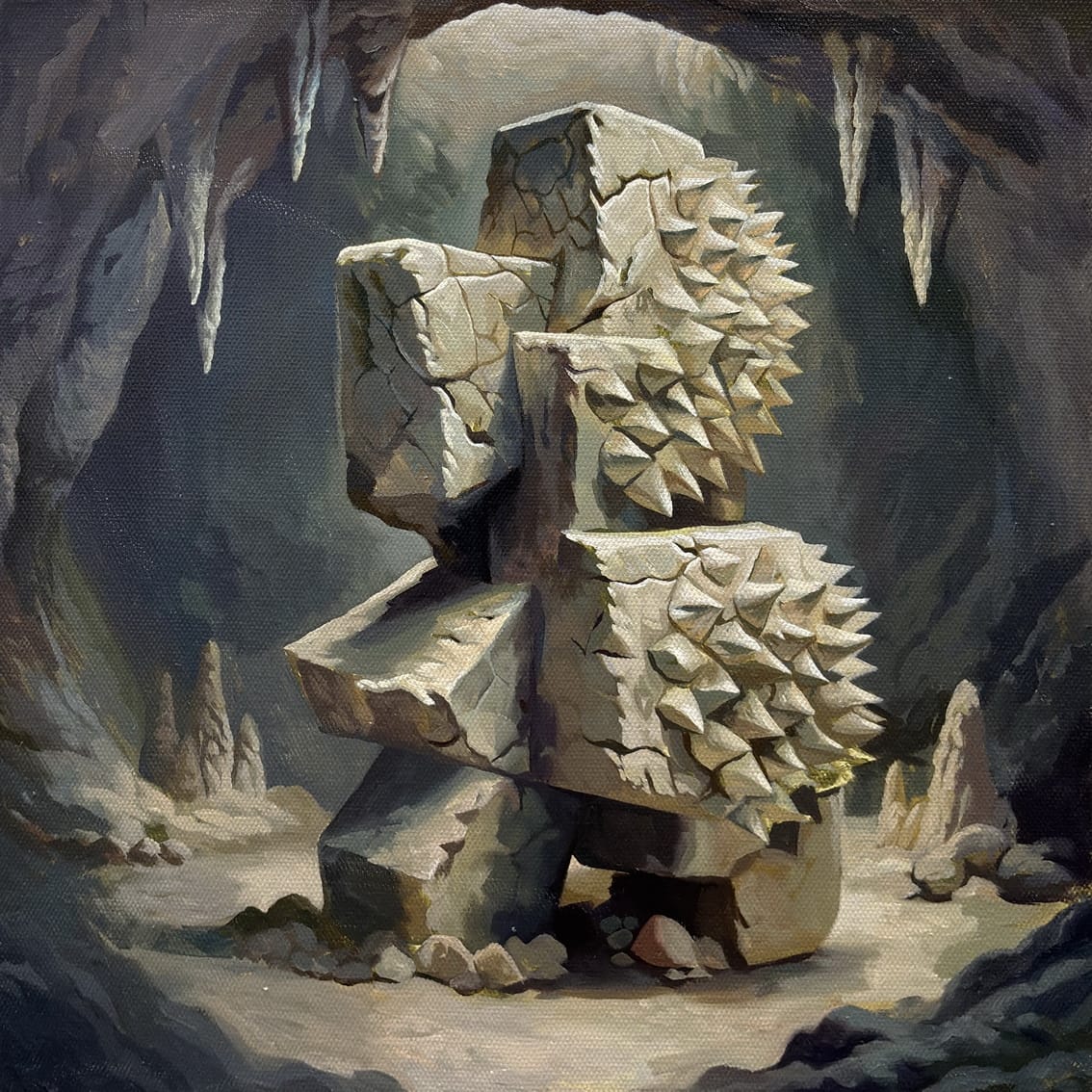
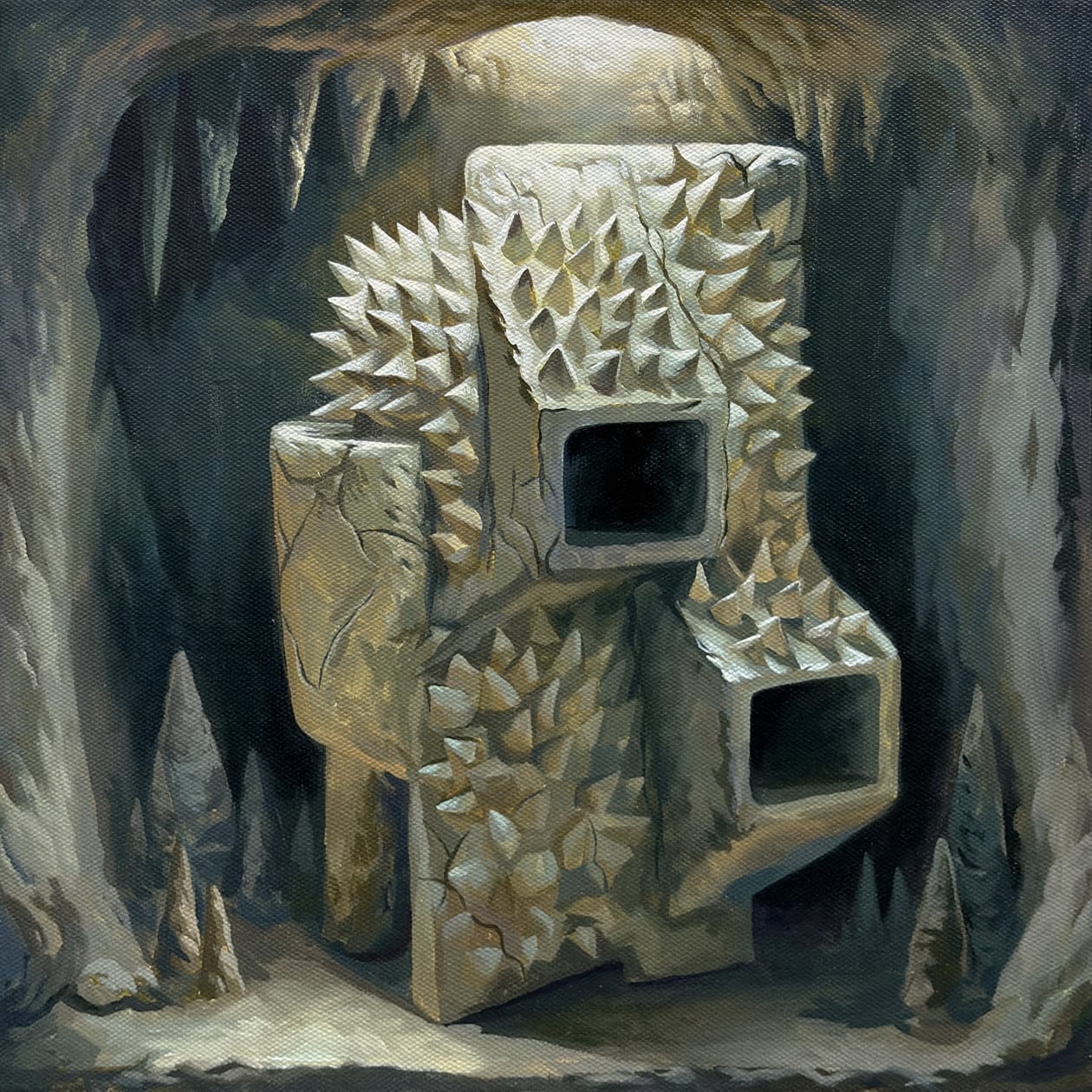
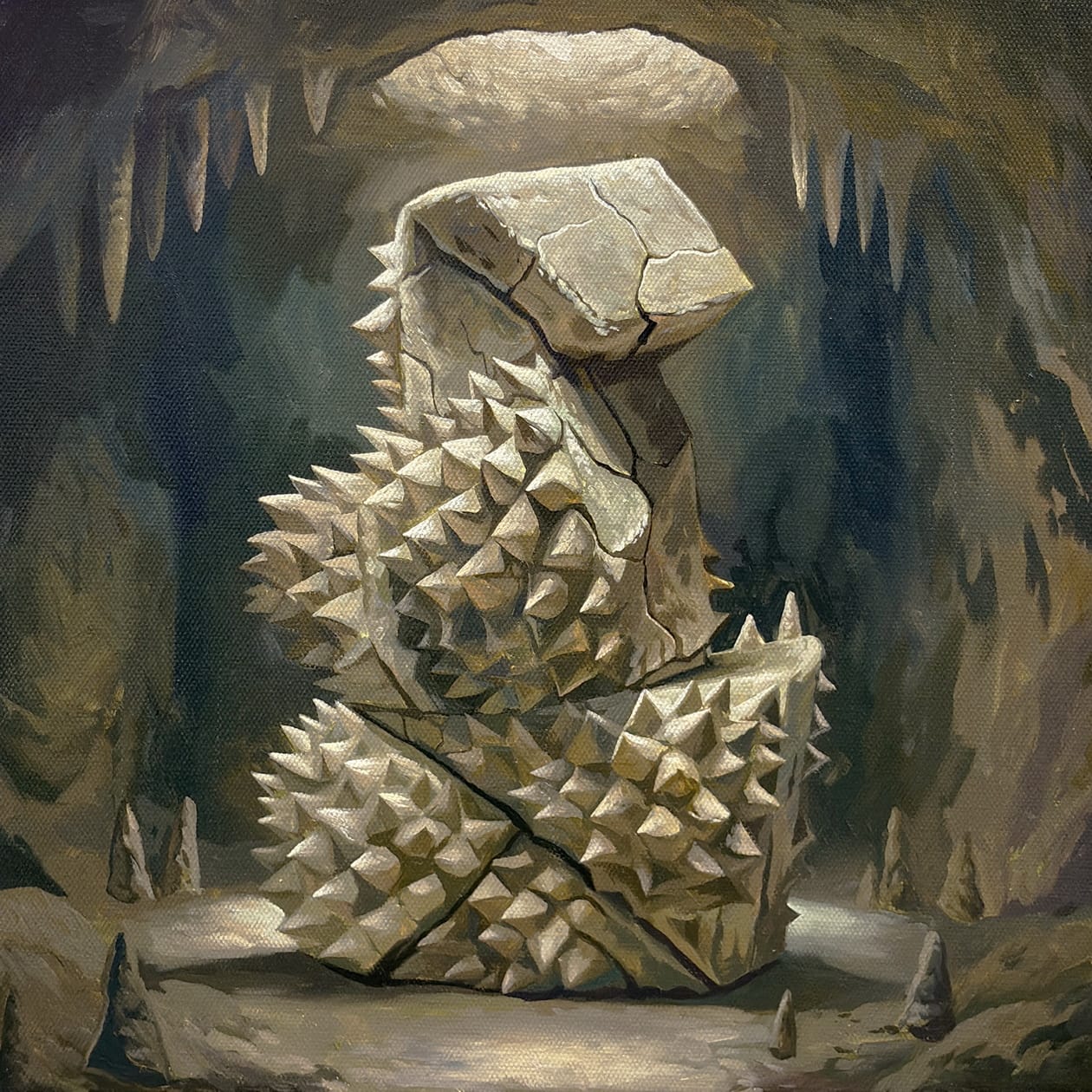
In pieces like Tectonic Assembly I and Strata of Protection I, the mix of materials and symbols points to resilience and to the coexistence of different elements within the same space.
For anyone tracking Southeast Asian art on the global stage, this is a concise showing that delivers.


