



After the final slide fades from the screen and the last handshake is exchanged, Kuala Lumpur’s business crowd often retreats into familiar rituals — a quick espresso, a rooftop cocktail, perhaps an hour-long massage before the next appointment. But tucked quietly within the polished corridors of Damansara Heights lies a far more transportive form of escape, one that feels less like a spa treatment and more like a passage into another civilisation.
At Sofitel Kuala Lumpur Damansara, hidden discreetly within its wellness sanctuary on the second floor, is one of the city’s lesser-known luxuries — a traditional hammam experience inspired by centuries-old Turkish bathing rituals.
For many Malaysians, massages and aromatherapy are part of the urban wellness vocabulary. The hammam, however, remains an elusive indulgence, whispered about more than experienced. Originating from the bathhouses of the Ottoman Empire and shaped by Roman, Byzantine and Islamic traditions, the hammam was historically more than a cleansing ritual. It was a place of restoration, reflection and social gathering — where weary warriors, merchants and noblemen emerged renewed after long journeys and harder battles.
In modern Kuala Lumpur, the battlegrounds have merely changed shape. Today, they are conference rooms, investor briefings and marathon strategy meetings.
After one afternoon of presentations and negotiations, I found myself stepping away from spreadsheets and PowerPoint decks and into the calming embrace of Sofitel’s spa sanctuary. The transition was immediate. The hurried rhythm of the city dissolved the moment the doors opened.
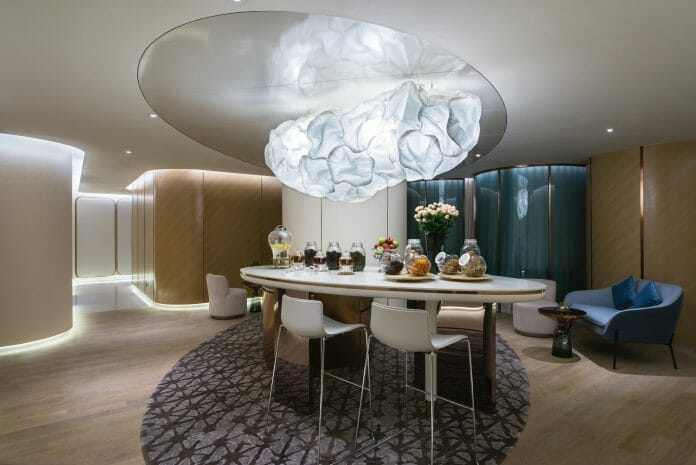
Soft amber lighting cast gentle shadows across the lounge, while the scent of essential oils lingered delicately in the air. Every element — the muted tones, plush textures and hushed ambience — appeared carefully orchestrated to slow the senses. It felt less like entering a hotel spa and more like arriving at a private retreat somewhere between Istanbul and Marrakech.
Yet the true anticipation lay behind the doors of the hammam.
Unlike a conventional massage, the hammam is deeply theatrical in its experience. There is rhythm, temperature, texture and ritual. Before the treatment began, my therapist — one of the many locally trained wellness specialists employed by the spa — calmly explained the sequence ahead. Over the next two hours, she assured me, stress would quietly leave the body in layers.
For once, the promise did not sound exaggerated.
The hammam chamber itself was unlike any spa room I had entered before. Dimly lit and wrapped almost entirely in marble, the space felt cave-like and ancient. Water flowed continuously across the floors, the air thick with warmth and steam. Every surface shimmered with moisture. It was immersive, elemental and unexpectedly grounding.
The ritual began in solitude inside a steam room, where heat slowly softened both muscle and mind. A salt scrub followed — a vigorous exfoliation intended to cleanse deeply and awaken circulation. Emerging from the mist, I was guided onto a large marble slab at the centre of the room, cool against the skin and surprisingly comforting.
Then came the water.
Slow streams were poured methodically across the forehead, shoulders and limbs, each movement deliberate and unhurried. The sensation was hypnotic. In a world obsessed with urgency, the hammam forces stillness upon you.
Moments later, clouds of warm soap foam enveloped the body entirely. Thick, luxurious and impossibly soft, it transformed the experience into something almost dreamlike. Suspended between steam, marble and cascading water, time itself seemed to dissolve.
By the end of the cleansing ritual, an unmistakable lightness had settled into the body — the kind that usually only arrives after a holiday.
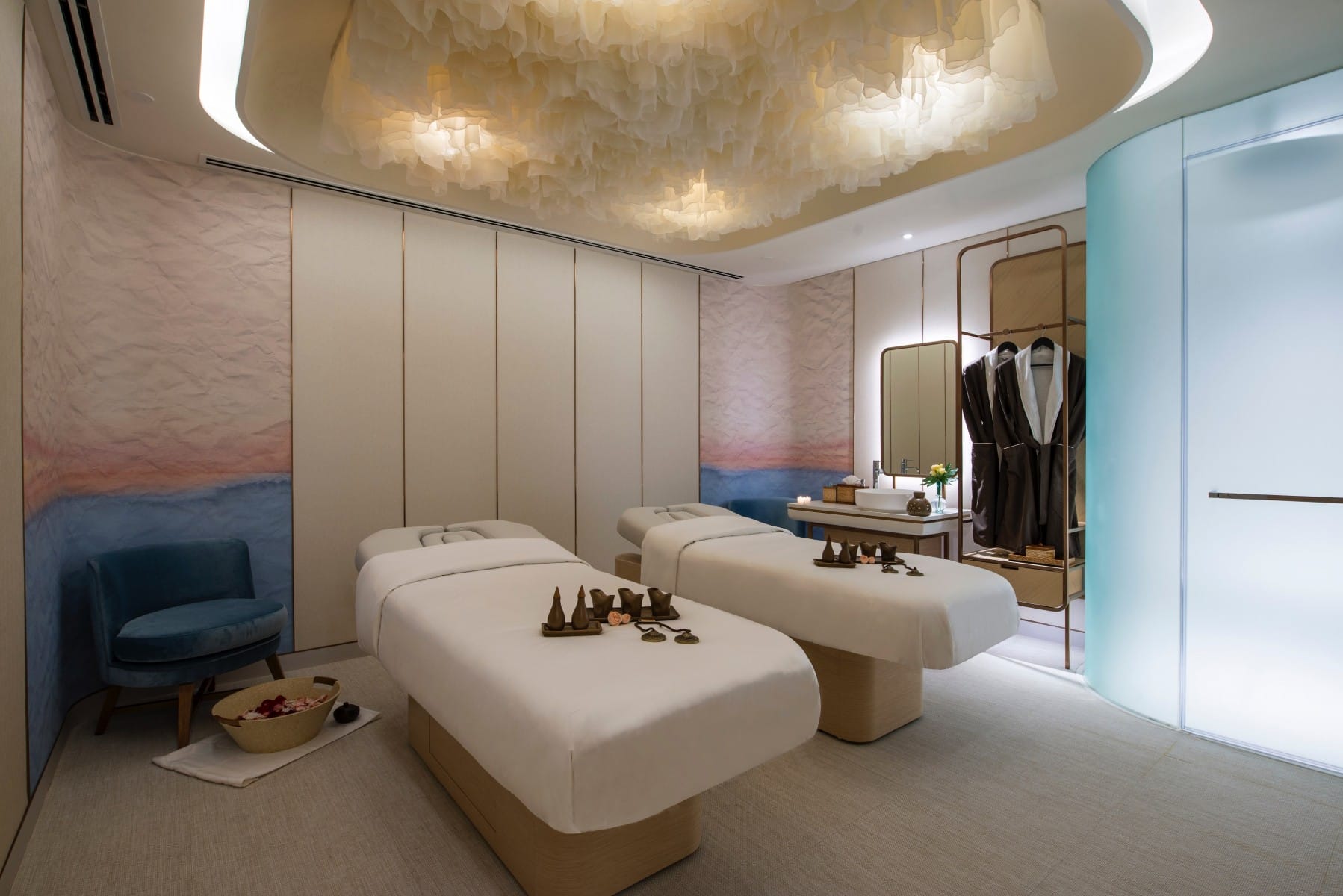
The second half of the session shifted into familiar territory: an aromatic oil massage designed to release lingering tension. But unlike ordinary spa treatments, the body now felt fully prepared to receive it. Muscles softened quicker. Pressure points yielded easier. The therapist worked with measured precision, easing stubborn knots around the neck and shoulders accumulated from far too many hours hunched over laptops and boardroom tables.
Forty-five minutes later, the session concluded quietly.
There was no dramatic finale, no ceremonial flourish. Just an overwhelming sense of calm.
When I stepped out of the treatment room, the clock had just passed 3pm. Another meeting awaited at 4.30pm across town. Yet somehow, the exhaustion that had followed me throughout the day had disappeared entirely.
Kuala Lumpur rarely pauses. It is a city built on motion, ambition and relentless schedules. Which is perhaps why experiences like the hammam feel so unexpectedly luxurious — not because they are extravagant, but because they offer something increasingly rare: complete stillness.
And in a business culture that often glorifies burnout, that may well be the greatest luxury of all.


