



Malaysia’s rapid renewable energy (RE) expansion is beginning to expose a new vulnerability in the country’s energy transition journey: Grid weakness.
Despite successfully achieving a 31% RE share in installed electricity capacity this year, Energy Transition and Water Transformation Minister Datuk Seri Fadillah Yusof warned that grid infrastructure, energy storage systems and network flexibility are now struggling to keep pace with the country’s accelerating green energy rollout.
In an exclusive response to BusinessToday, the minister said Malaysia’s energy transition has entered a far more complex phase where system-level constraints are emerging as the biggest challenge to sustaining RE growth.
“Grid infrastructure, system flexibility and energy storage deployment are not scaling at the same pace as renewable generation,” he said, warning that the imbalance is creating intermittency risks and potential power curtailment issues, particularly in areas with high solar penetration as Malaysia aggressively expands its RE capacity.
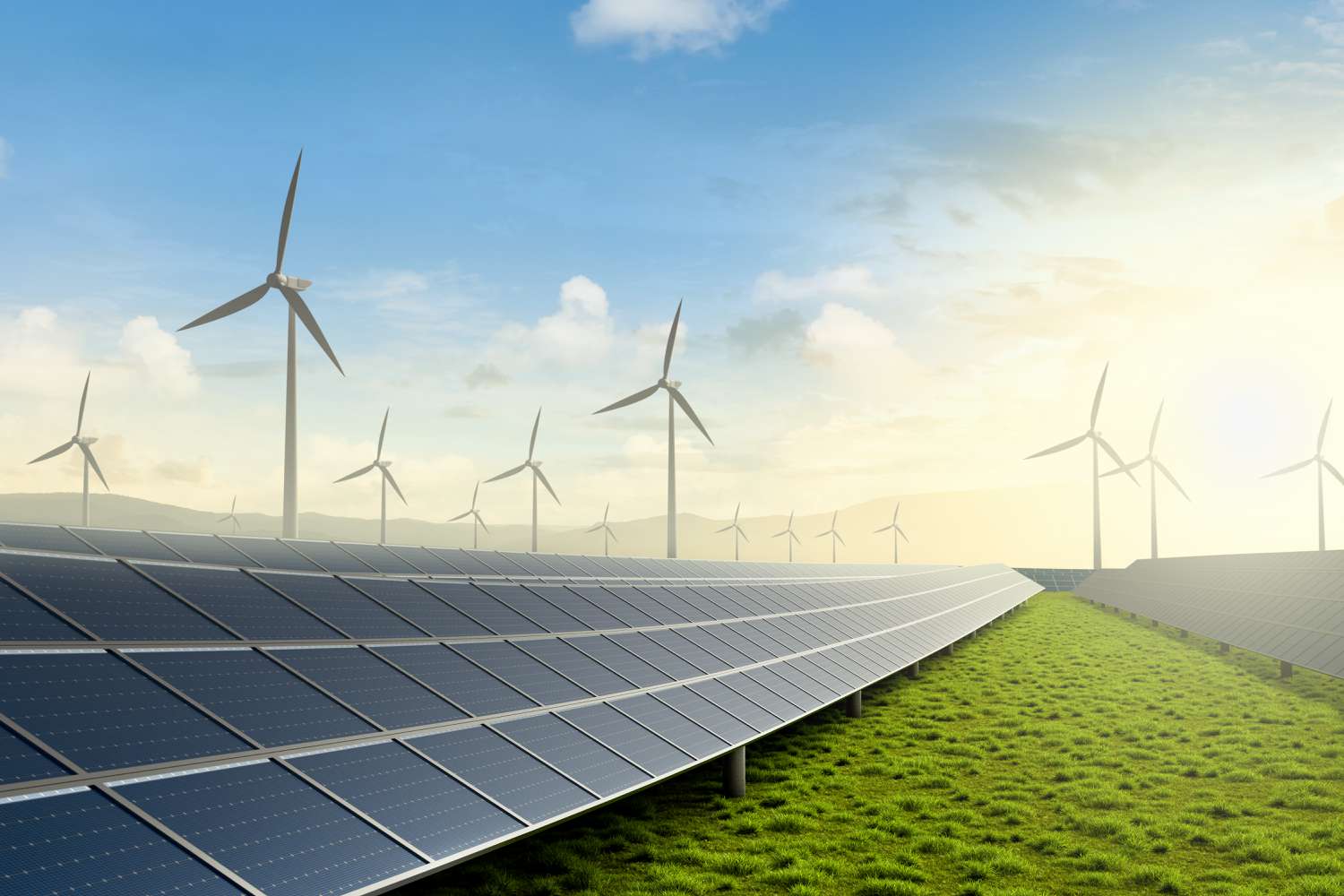
RE Capacity Growth Accelerates But Infrastructure Lacking
The minister said Malaysia’s achievement of a 31% RE share in 2025 demonstrates strong execution momentum under the country’s broader decarbonisation agenda, driven by large-scale solar programmes, hydropower optimisation and early market liberalisation initiatives such as the Corporate Green Power Programme.
Fadillah shared that Malaysia is targeting 35% RE capacity by 2030 and 70% by 2050 under the National Energy Transition Roadmap, which his ministry views as a strategic platform linking decarbonisation efforts with industrial growth and investment expansion.
“Platforms such as Energy Exchange Malaysia are also positioning the country within the broader ASEAN Power Grid ecosystem, reflecting a shift from a domestically focused energy transition towards a more regionally integrated electricity system,” he said.
However, he acknowledged that RE growth alone is no longer sufficient if supporting infrastructure fails to evolve at the same pace.
Another growing concern, he said, is Malaysia’s continued dependence on imported technologies such as solar panels and battery systems, limiting domestic value creation within the clean energy ecosystem.
He also admitted that Malaysia’s demand-side transformation remains relatively underdeveloped despite strong supply-side growth.
“Mechanisms involving energy efficiency, flexible electricity demand and distributed generation still require further strengthening, while industrial decarbonisation pathways remain uneven, particularly for hard-to-abate sectors,” he highlighted.
Thus, Fadillah said the next phase of the transition would therefore require stronger focus on grid modernisation, market reform and industrial integration to ensure RE growth translates into long-term resilience and economic value.
Market Liberalisation
At the same time, the minister also revealed that his ministry is accelerating efforts to liberalise Malaysia’s RE market to attract greater private and foreign investments.
He said reforms such as the Corporate Renewable Energy Supply Scheme are shifting Malaysia away from quota-based renewable frameworks towards more market-driven mechanisms that allow direct renewable electricity procurement by corporates without quota constraints.
“This move significantly improves revenue certainty for developers while aligning Malaysia with global corporate green energy sourcing trends.
“Simultaneously, my ministry is also expanding investment opportunities beyond traditional power generation into battery energy storage systems, hydrogen and RE manufacturing as we seek to build a fully integrated clean energy ecosystem,” Fadillah shared.
Malaysia Eyes Bigger ASEAN Energy Role
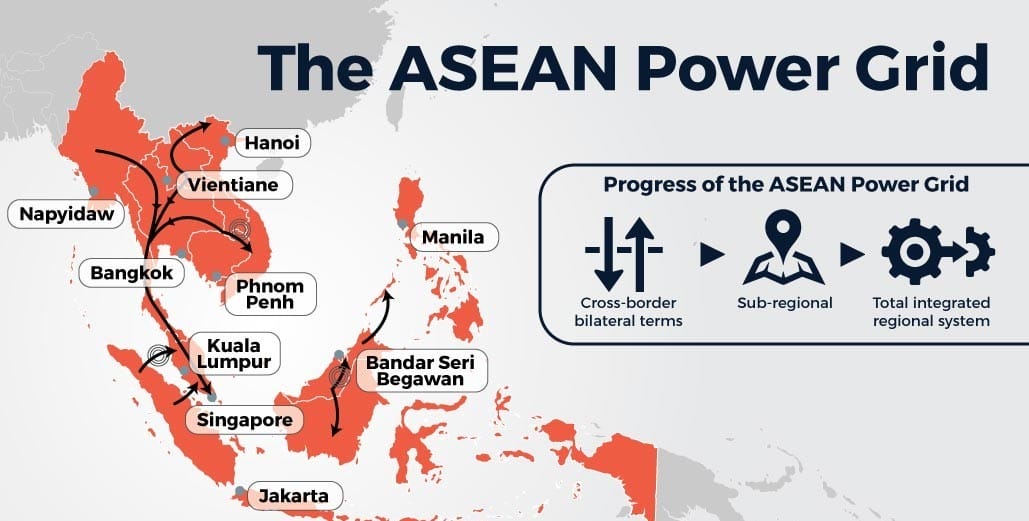
Beyond domestic reforms, the minister revealed to BusinessToday that Malaysia is positioning itself more aggressively within ASEAN’s cross-border electricity trading ecosystem through initiatives such as the Laos-Thailand-Malaysia-Singapore Power Integration Project and the ASEAN Power Grid framework.
“A stronger regional grid integration could enhance ASEAN’s energy security, improve system resilience and unlock new cross-border electricity trade opportunities for the region,” he said.
Overall, Fadillah emphasised that while Malaysia’s RE ambitions continue gaining momentum, the success of the country’s energy transition will ultimately depend not only on adding more green power capacity, but also on strengthening the broader ecosystem supporting it.
As Malaysia pushes towards a 70% RE target by 2050, the focus is now shifting towards grid modernisation, energy storage deployment, market liberalisation and deeper regional integration to ensure the transition remains resilient, commercially sustainable and capable of supporting long-term economic growth.


