


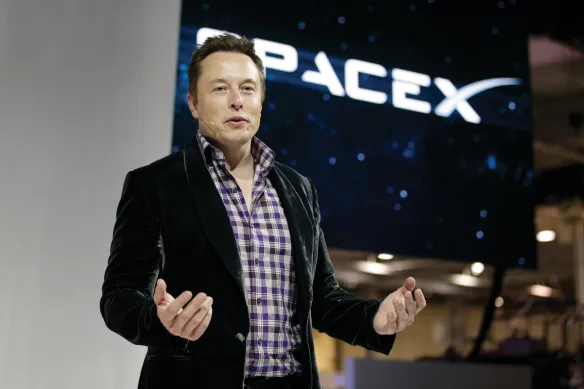
SpaceX has completed the largest initial public offering in US history, raising US$75 billion after pricing its shares at US$135 each, valuing the Elon Musk-led company at US$1.77 trillion.
The blockbuster listing immediately places SpaceX among the seven most valuable companies listed in the United States, surpassing corporate giants including JPMorgan Chase, Berkshire Hathaway, Eli Lilly, Meta Platforms and even Musk’s electric vehicle maker Tesla.
The rocket, satellite and artificial intelligence company sold 555.56 million shares in the offering. The deal eclipsed the previous IPO record set by Saudi Aramco, which raised US$25.6 billion in 2019.
Shares are scheduled to begin trading on the Nasdaq on Friday, with investors closely watching whether demand can support the company’s lofty valuation following its highly anticipated market debut.
Unlike conventional Wall Street listings, SpaceX adopted an unconventional approach throughout the IPO process. The company reserved 30% of shares for retail investors and announced the pricing while US markets were still open, departing from the traditional after-hours practice.
Musk will retain tight control of the company following the listing, holding 82% of SpaceX’s voting power.
The IPO marks the culmination of months of preparations and comes amid expectations of a broader recovery in the US IPO market. Goldman Sachs has forecast total IPO proceeds could reach a record US$160 billion this year, supported by a pipeline that includes artificial intelligence firms OpenAI and Anthropic.
Founded in 2002, SpaceX has evolved into a dominant player in the global space industry. The company said its launch operations accounted for more than four-fifths of all mass sent into orbit over the past three years.
Its Starlink satellite internet business remains the largest contributor to revenue, serving millions of consumer, enterprise and government customers across 164 countries and territories.
SpaceX recently signed a multi-year cloud services agreement with Google, strengthening its computing capabilities as competition intensifies across both the space and artificial intelligence sectors.
The company estimates its total addressable market at US$28.5 trillion, citing opportunities across space transportation, satellite communications and AI infrastructure.
Despite investor enthusiasm, analysts noted that SpaceX remains heavily dependent on future growth expectations and government contracts, while facing rising competition from rivals such as Jeff Bezos-backed Blue Origin.
Market participants will now focus on the stock’s trading performance in the coming days to determine whether the record valuation can be sustained beyond the initial excitement surrounding the listing.
Reuters


