


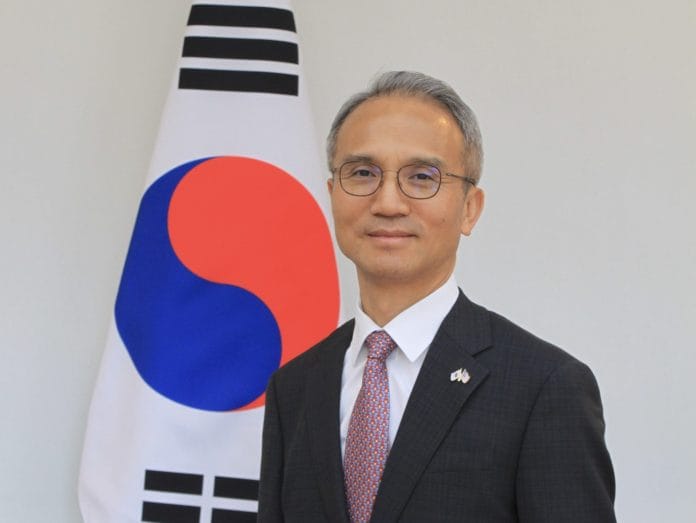
The relationship between Malaysia and South Korea has entered a new phase of strategic cooperation, moving beyond traditional trade and manufacturing links towards high-value industries including semiconductors, artificial intelligence (AI), electric vehicles (EVs), halal economy and clean energy.
South Korean Ambassador to Malaysia H.E. Yeo Seung-bae said the bilateral relationship has strengthened significantly in recent years, driven by closer government engagement under Malaysia’s current administration and growing interest from Korean companies seeking opportunities in Southeast Asia.
Having spent more than three-and-a-half years in Malaysia, Yeo described the country as a place where he and his family have enjoyed deep cultural experiences, travelling extensively across Malaysia and the region while building connections with people from diverse backgrounds.
“I have enjoyed meeting people regardless of their background and professions,” he said, adding that Malaysia’s multicultural environment has been one of the highlights of his posting.
Trade Relations Reach Record High
The strengthening relationship has been reflected in bilateral trade growth.
When Yeo arrived in Malaysia, the country was South Korea’s 13th largest trading partner. However, bilateral trade reached a record US$27.9 billion in 2025, lifting Malaysia two positions to become South Korea’s 11th largest trading partner, while South Korea became Malaysia’s seventh largest trade partner.
Trade between both countries has been supported by strong flows in electrical and electronics (E&E), chemicals, machinery, energy products and increasingly, semiconductor-related components.
Yeo highlighted that semiconductors have become the most important product category exchanged between both nations, reflecting the complementary strengths of both economies.
South Korea remains a global leader in memory semiconductors through major players such as Samsung Electronics and SK Hynix, while Malaysia has emerged as one of ASEAN’s key semiconductor hubs, particularly in backend activities such as assembly, testing and packaging.
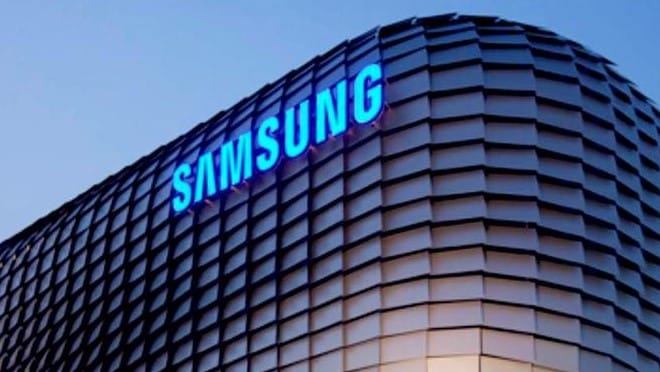
“Considering Malaysia’s strength, particularly in backend, and the Korean strength in technological capability, the potential for cooperation is quite significant,” he said.
The ambassador noted that rising US-China technology competition and global supply chain restructuring have made trusted partnerships increasingly important.
“Building resilient and diversified supply chains among trusted partners has become more important. Korea-Malaysia relations in semiconductors as strategic partners are highly important,” he said.
Semiconductor Cooperation Moves Into Higher Value Activities
Malaysia’s ambition to strengthen its semiconductor ecosystem has opened new opportunities for Korean companies, particularly in advanced packaging, materials and semiconductor equipment.
Yeo highlighted that recently 29 Korean companies participated in the SEMICON Southeast Asia 2026 conference at the Malaysia International Trade and Exhibition Centre.
He said many of the participating companies were mid-sized technology firms specialising in semiconductor materials and equipment, including testing systems, filtration solutions and cooling technologies.
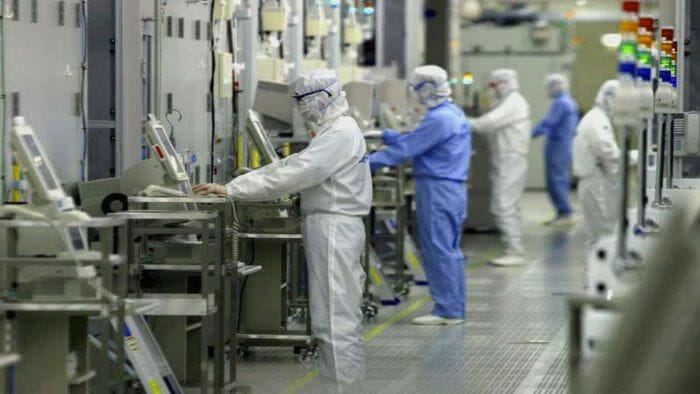
“These companies can play an important role in supporting Malaysia’s advanced packaging and AI infrastructure growth,” he said.
While Korean semiconductor companies have historically focused investment in markets such as the United States and Europe, Yeo believes Malaysia’s challenge has mainly been a lack of awareness among Korean investors.
To address this, the embassy has worked to strengthen industry-to-industry engagement through initiatives such as the Korea-Malaysia Semiconductor Cooperation Centre.
The programme brought together Korean government officials, semiconductor experts and companies to explore future collaboration opportunities.
Yeo said Korean investors today are no longer looking only at production costs, but also supply chain stability, ecosystem maturity and long-term strategic value.
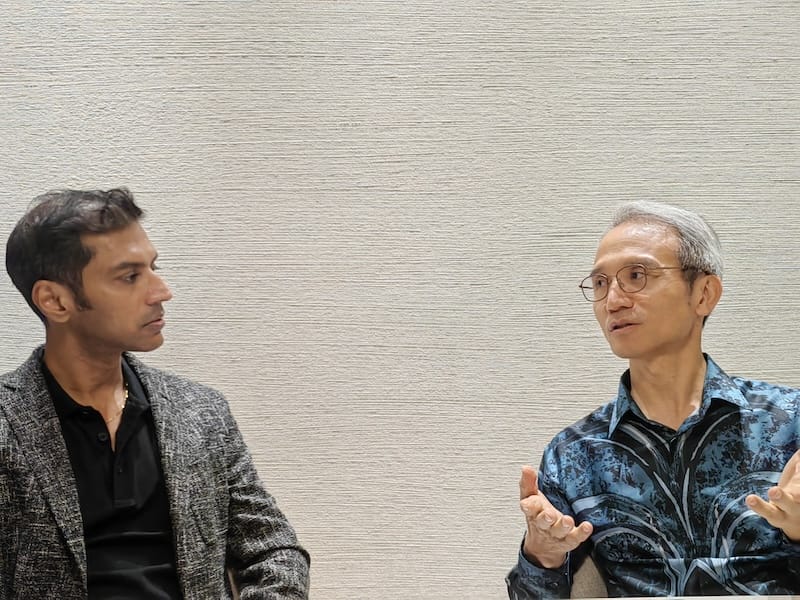
Korean Giants Deepen Malaysia Presence
Major Korean corporations have already established a strong presence in Malaysia.
Samsung has expanded its manufacturing and technology footprint in the country, including through semiconductor-related operations and consumer electronics investments.
SK Group has also increased its role in Malaysia’s energy transition ecosystem. SK Nexilis operates a copper foil manufacturing facility in Sabah, producing a key material used in electric vehicle batteries.
Samsung SDI has invested in Negeri Sembilan, manufacturing EV battery components as global demand for electric mobility accelerates.
In the automotive sector, Hyundai has returned to Malaysia with renewed market participation through local manufacturing and sales operations, including vehicle production activities in Kulim, Kedah.
Yeo said Malaysia’s push for EV adoption and charging infrastructure development could create further opportunities for Korean companies across battery materials, components and related technologies.
Halal Economy Becomes New Growth Area
Beyond technology, halal products represent another promising area of cooperation.
South Korea has been increasingly looking at Malaysia as a gateway into the global halal market due to Malaysia’s established halal certification ecosystem and access to Muslim-majority markets.
The Korean Embassy has been promoting Korean halal products and businesses, including through halal-focused events such as exhibitions held at One Utama, where Korean companies showcased halal-certified food products and explored opportunities with Malaysian consumers and businesses.
Yeo said the halal sector provides an opportunity to combine Korea’s food manufacturing capabilities with Malaysia’s position as a regional halal hub.
Digital Economy And AI Cooperation Expands
The ambassador also highlighted growing cooperation in digital technology and AI.
Under Malaysia’s long-standing Look East Policy, government officials have continued participating in knowledge exchanges with South Korea.
Last year, Malaysia sent a group of mid-level civil servants to South Korea for an intensive programme focusing on digital government and AI applications.
The programme included engagement with Korean government agencies, technology companies and universities to expose Malaysian officials to practical applications of digital transformation.
South Korea has also organised AI-related programmes targeting Malaysian and ASEAN youth, focusing on developing practical digital skills rather than only academic knowledge.
New Economic Partnership Through FTA
The conclusion of a Malaysia-South Korea Free Trade Agreement (FTA) is expected to further strengthen economic ties by creating a more stable framework for cooperation.
Yeo said the agreement goes beyond tariff reductions, creating opportunities in future industries including digital technology, AI, bioeconomy and strategic sectors.
He noted that Korean businesses have already shown increased interest, with around 20 Korean companies participating in a recent business forum organised by MATRADE and the Korea Importers Association.
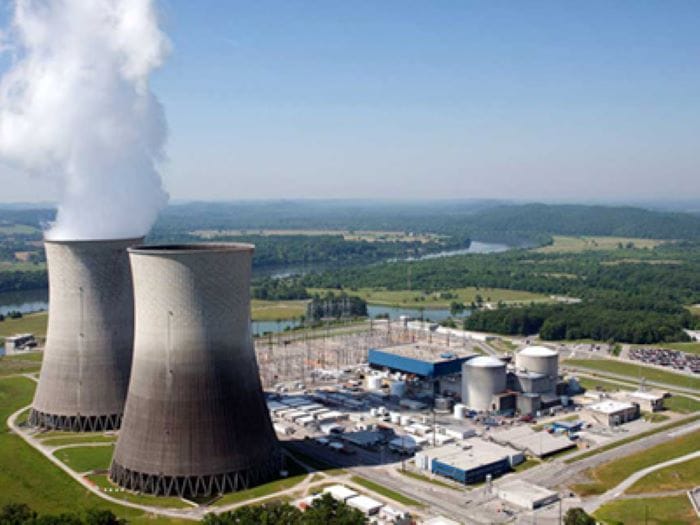
Future Cooperation In Carbon And Nuclear Energy
Energy transition is another emerging area of cooperation between both countries.
South Korea’s goal of achieving carbon neutrality by 2050 aligns with Malaysia’s efforts to accelerate its energy transition.
Yeo said potential areas of collaboration include Carbon Capture and Storage (CCS), Carbon Capture Utilisation and Storage (CCUS), renewable energy and nuclear power.
South Korea currently operates one of the world’s largest nuclear energy programmes, with nuclear power contributing around one-third of the country’s electricity generation.
While Malaysia is still evaluating nuclear energy options, Yeo said nuclear development requires long-term preparation, including regulatory frameworks, safety standards and talent development.
He estimated that even if Malaysia decides to proceed with nuclear power, development could take seven to eight years.
“Talent development is one of the most important parts based on Korea’s experience,” he said.
As Malaysia positions itself as a regional hub for semiconductors, AI infrastructure and sustainable industries, South Korea sees opportunities for deeper cooperation across multiple strategic sectors.
Yeo said Korea views Malaysia not only as a trade partner but as a strategic partner in building future industries.
“Semiconductors, halal, shipbuilding and nuclear energy are strategic industries where both countries can cooperate,” he said.
For the ambassador, his time in Malaysia has reinforced the importance of people-to-people connections alongside economic partnerships.
“Malaysia will always have a special place in my heart,” he said.


