The Plot (Briefly, but it matters this time)
Two years after Woody leaves for a wandering life with Bo Peep, the toys are left in a world that is slowly moving on without them.
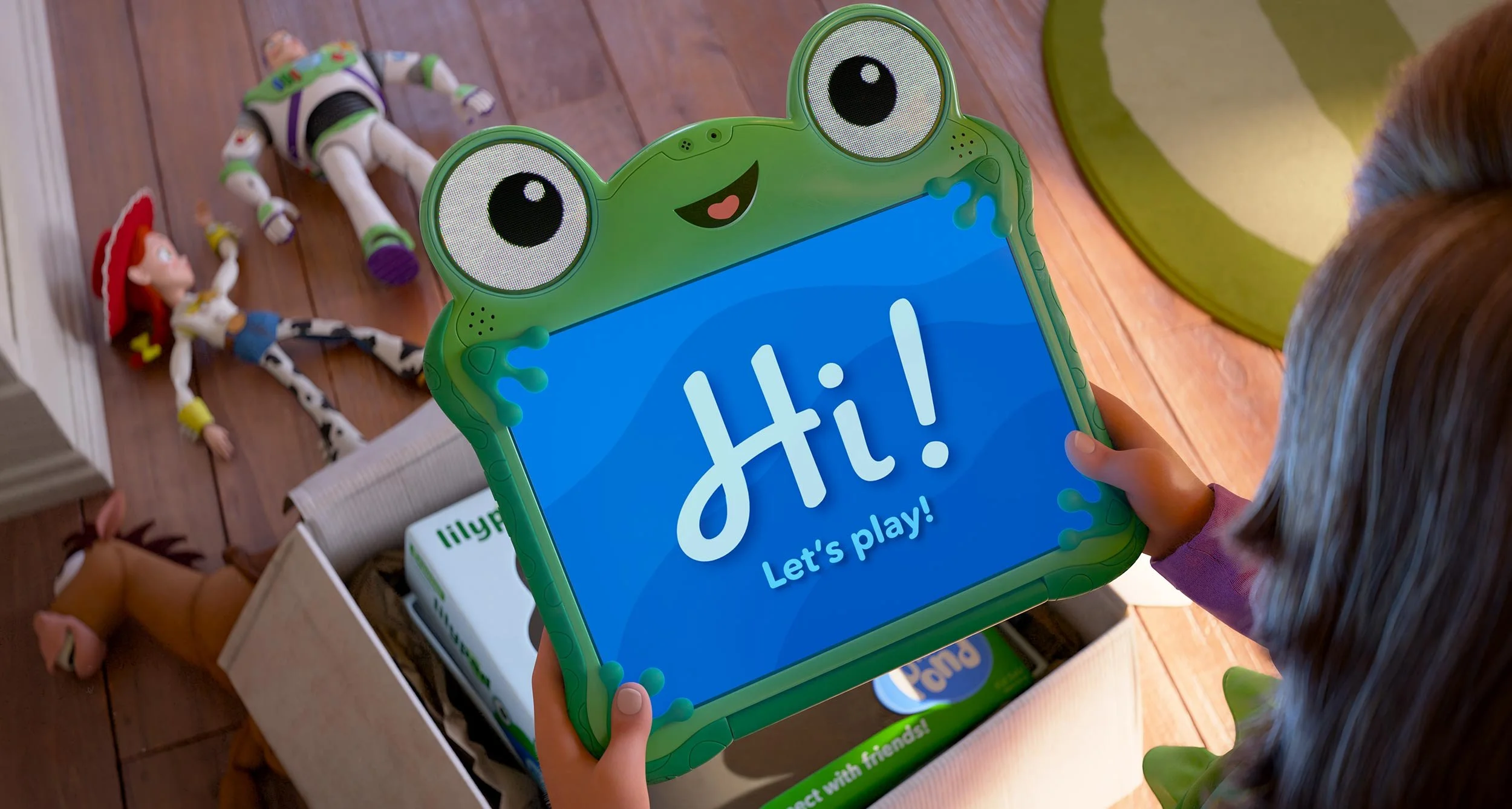
Bonnie is now 8, quieter, more withdrawn, and slowly drifting away from imagination and into screens. When her parents introduce a frog-shaped AI tablet called Lilypad, the shift becomes even more obvious. Suddenly, toys are no longer the centre of attention. They are optional.
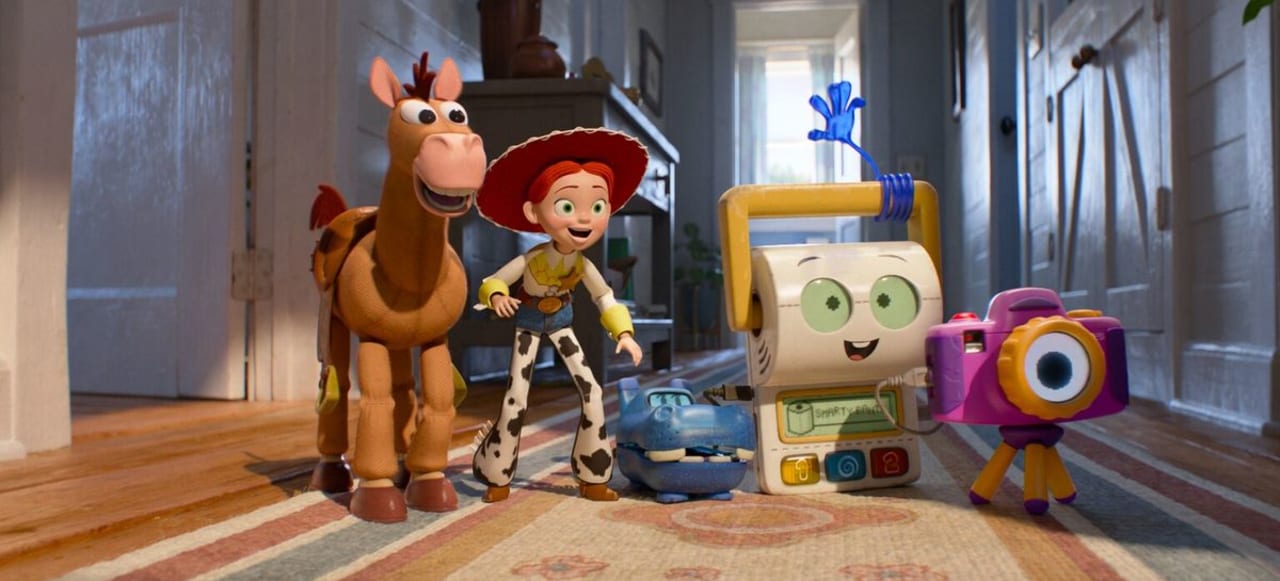
Jessie steps up as the new sheriff in Bonnie’s room, trying to keep things together while also helping Bonnie reconnect with real friendships. Buzz becomes her loyal deputy, still heroic, still Buzz, but a little more emotionally open than before.
Then things escalate. Toys across homes begin to get sidelined. Some are even discarded. Jessie realises this is bigger than Bonnie. This is about whether toys still matter at all.
She calls Woody.
And Woody comes back, slightly older, slightly worn, with a bald spot, a poncho, and that familiar “I’ve seen things” energy.
What follows is a mix of rescue mission, identity crisis, and emotional reckoning between toys, kids, and the world they are slowly being replaced in.
What I Like (A lot more than I expected)
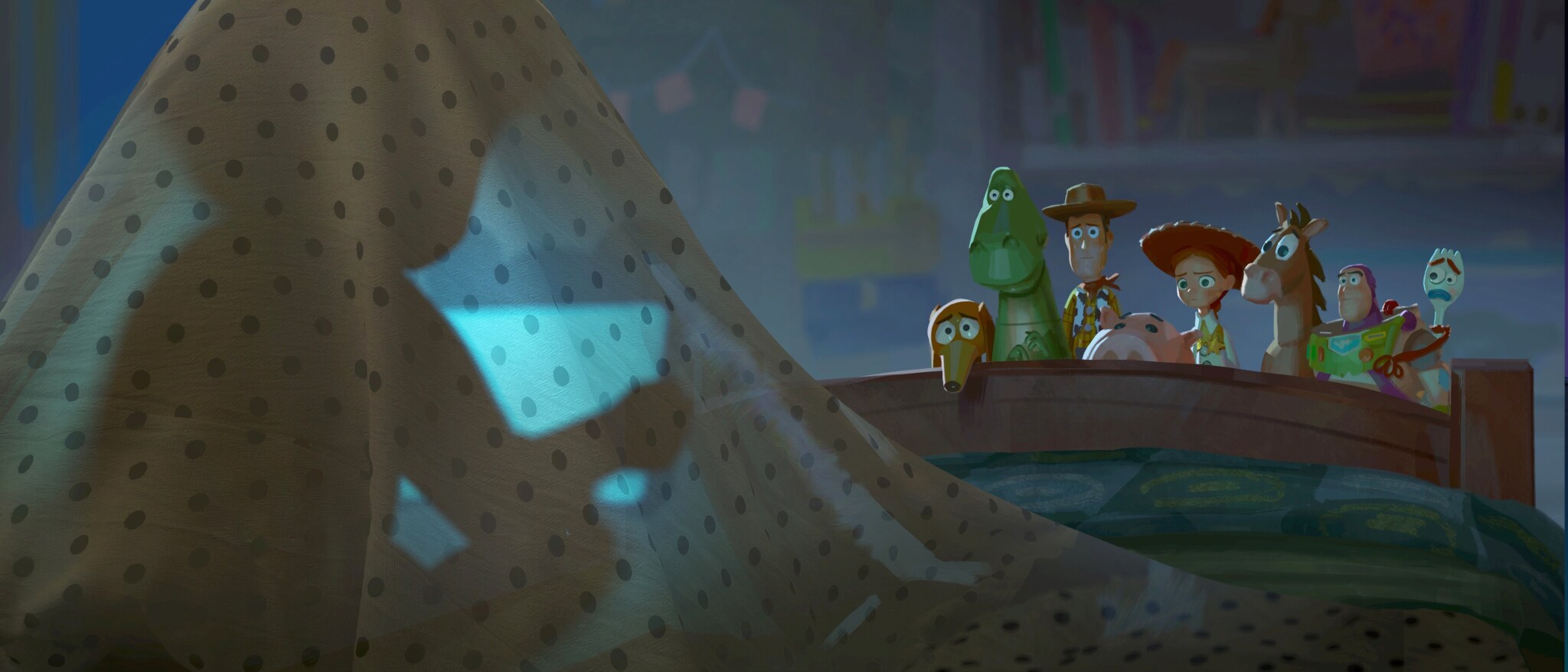
Pixar really did not phone this in visually. The animation is absurdly good. Lighting, reflections, fabric texture, even small imperfections on Woody’s new design, everything feels lived in. There are moments where you forget it is animation at all.
And Jessie finally getting her spotlight works. This is her film more than anyone else’s, and it actually feels earned. Her arc connects back to Toy Story 2 in a way that does not feel forced. It feels like closure that has been waiting for years.
The humour also lands surprisingly well. This might genuinely be the funniest Toy Story film. It is not just kids jokes either. It understands timing better than most modern animated films.
There are also emotional beats that almost get you. Not full breakdown level, but close enough that you sit there quietly for a second longer than you expect.
Buzz and Woody being in supporting roles also works better than expected. They are not erased, they are just no longer the centre. And that shift gives the story room to breathe.
What I Don’t Like (but I get it)
There is a slight feeling that the story is juggling too many ideas at once. The AI tablet storyline, the “toys becoming obsolete” theme, Jessie’s personal arc, Woody’s return, it is a lot.
Sometimes it feels like the film is explaining things a bit too neatly. Like it is afraid of being misunderstood, so it over-explains instead of letting moments sit.
There are also a few pacing sections in the middle where it dips. Not bad, just slightly “streamlined for structure” in a way that makes it feel less organic than Toy Story 2 or 3.
And while the villain concept is strong, it never quite reaches that iconic Toy Story level of emotional threat. It is relevant, but not terrifying in the way Lotso or even Stinky Pete were.
What Critics Are Saying (And They Are Not Wrong)
Reviews are surprisingly split in tone even if scores stay high.
Some, like David Ehrlich at IndieWire, praise it for how it reframes parenting and childhood, saying it forces adults to confront how quickly love and growing up can change shape.
Robert Daniels at RogerEbert.com highlights how it speaks to modern digital culture, especially how screens are reshaping identity and attention in children.
Others, like Peter Bradshaw at The Guardian, feel the franchise is starting to lose emotional urgency, arguing that the core Toy Story magic feels slightly underpowered this time.
Meanwhile, Jake Cole at Slant Magazine calls it emotionally effective in parts but structurally stretched, suggesting the franchise may be pushing its themes as far as they can go.
On the more positive end, outlets like Empire and Screen Crush see it as Pixar still operating at a very high level even five films in, especially in how it balances humour, nostalgia, and modern relevance.
Rotten Tomatoes: 94%
Metacritic: 74%
IMDB:7.8/10

Final Verdict (Personal Take)
I still hold the original Andy trilogy very close. That is untouchable.
But this one surprised me.
It understands when to be funny, when to be sad, and when to just sit in silence. Pixar still knows how to make you feel things without forcing it too hard.
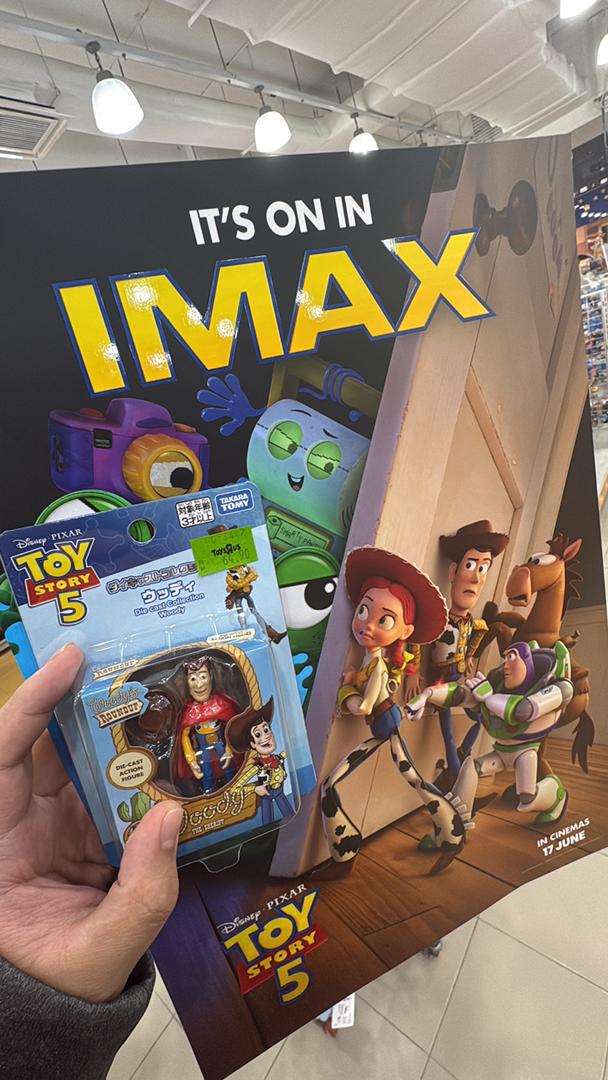
Jessie getting her full arc here feels like the right creative decision. It is not about replacing Woody or Buzz. It is about letting the world move forward while still respecting what came before.
And yes, Toy Story 3 will always be “the ending” in people’s minds. Nothing here changes that.
But that does not mean this film does not matter.
It is not trying to top the trilogy. It is trying to ask a different question.
What happens when imagination is no longer the default language of childhood?
8/10.
Funny when it wants to be funny. Sad when it wants to be sad. And somehow still warm enough to remind you why these toys mattered in the first place.