



Jane Austen adaptations tend to arrive in waves. Just when it feels like the period drama cycle has settled, another version returns to the screen, reframing the same questions of love, money and survival through a slightly different lens.
The latest is Sense and Sensibility, directed by Georgia Oakley, with Daisy Edgar-Jones stepping into one of Austen’s most closely watched roles: Elinor Dashwood.
The first trailer doesn’t reinvent the premise so much as reframe its pressure points. Following the death of Mr. Dashwood, his widow and three daughters are left in reduced circumstances and forced out of their family estate.
What follows is familiar Austen terrain—courtship, class anxiety, romantic misfires—but the tone leans less towards romantic escapism and more towards the practical consequences of instability.
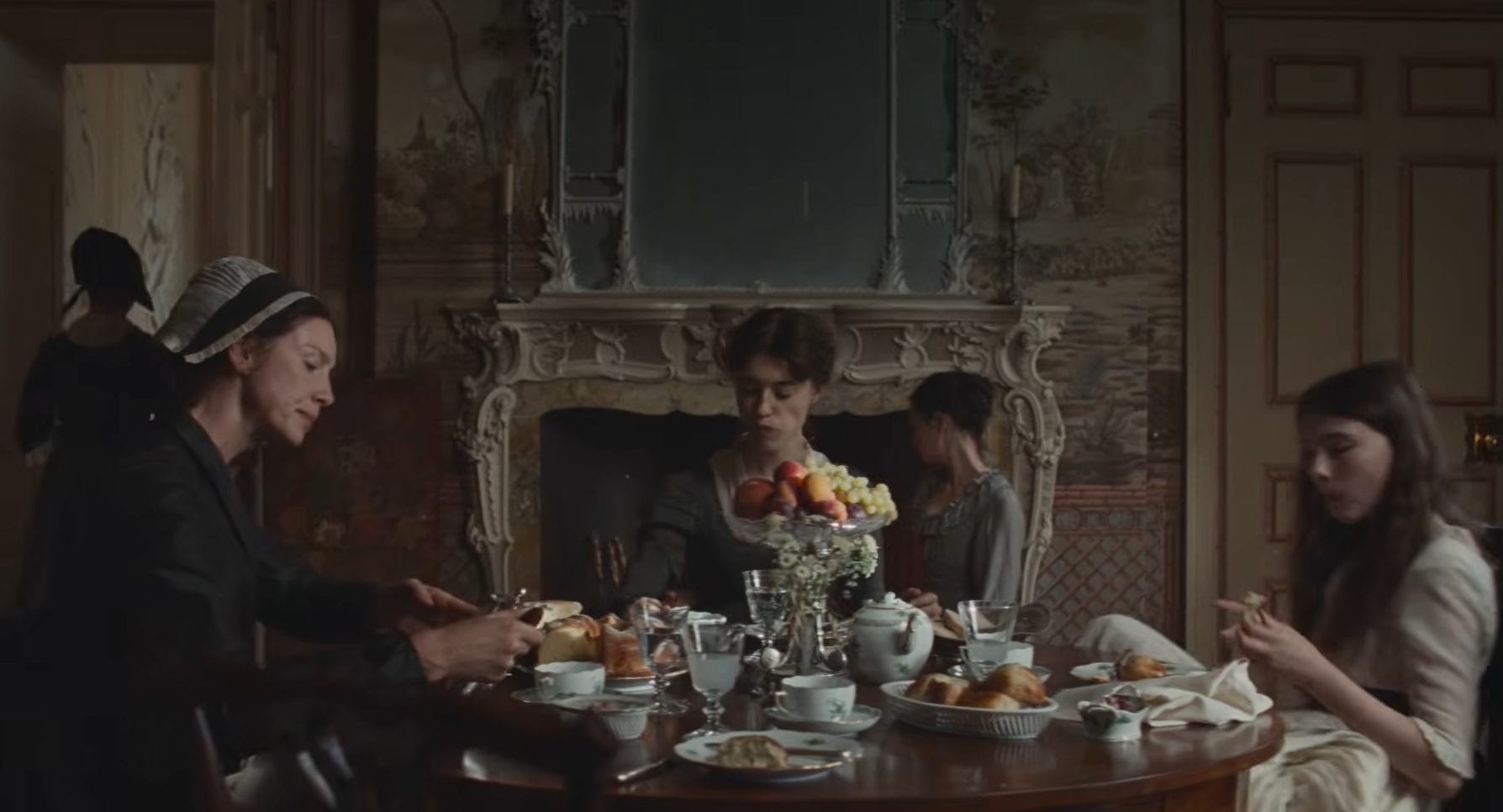
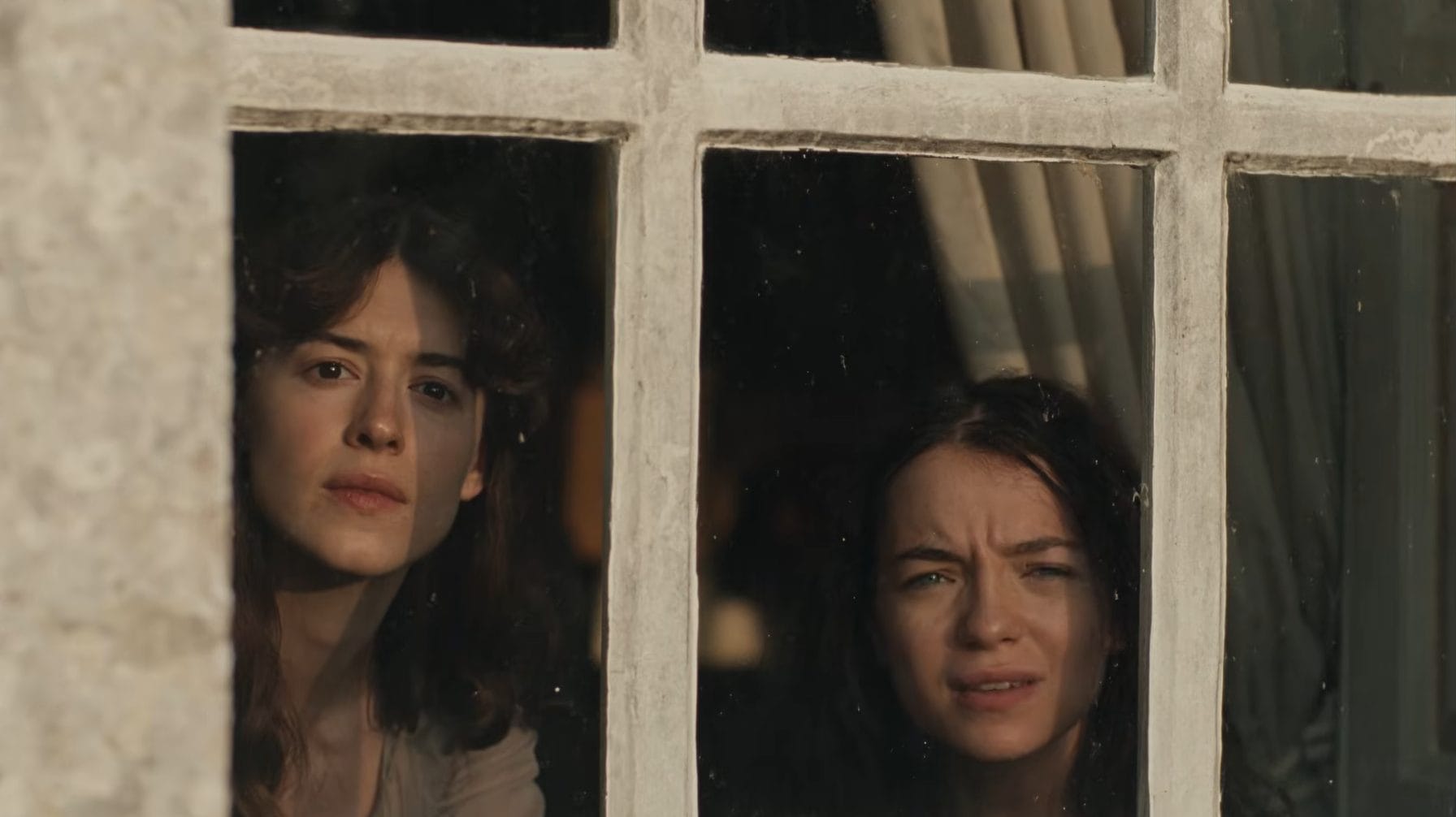
At the center of it is Daisy Edgar-Jones as Elinor, the sister defined by restraint. Edgar-Jones has built much of her recent work around emotionally contained characters, and Elinor fits that register: someone who holds things together because there isn’t much alternative.
Across from her is Esmé Creed-Miles as Marianne, whose openness and impulsiveness offer a clear counterpoint. The dynamic between them is the emotional spine of the story, and the trailer leans into that tension rather than framing it as a simple sense-versus-sensibility split.
Around them, the cast fills out the world of shifting alliances and social calculation: Caitríona Balfe as their mother Mrs. Dashwood, George MacKay as Edward Ferrars, Frank Dillane as John Willoughby, Herbert Nordrum as Colonel Brandon, Fiona Shaw as Mrs. Jennings, and Bodhi Rae Breathnach as Margaret Dashwood.
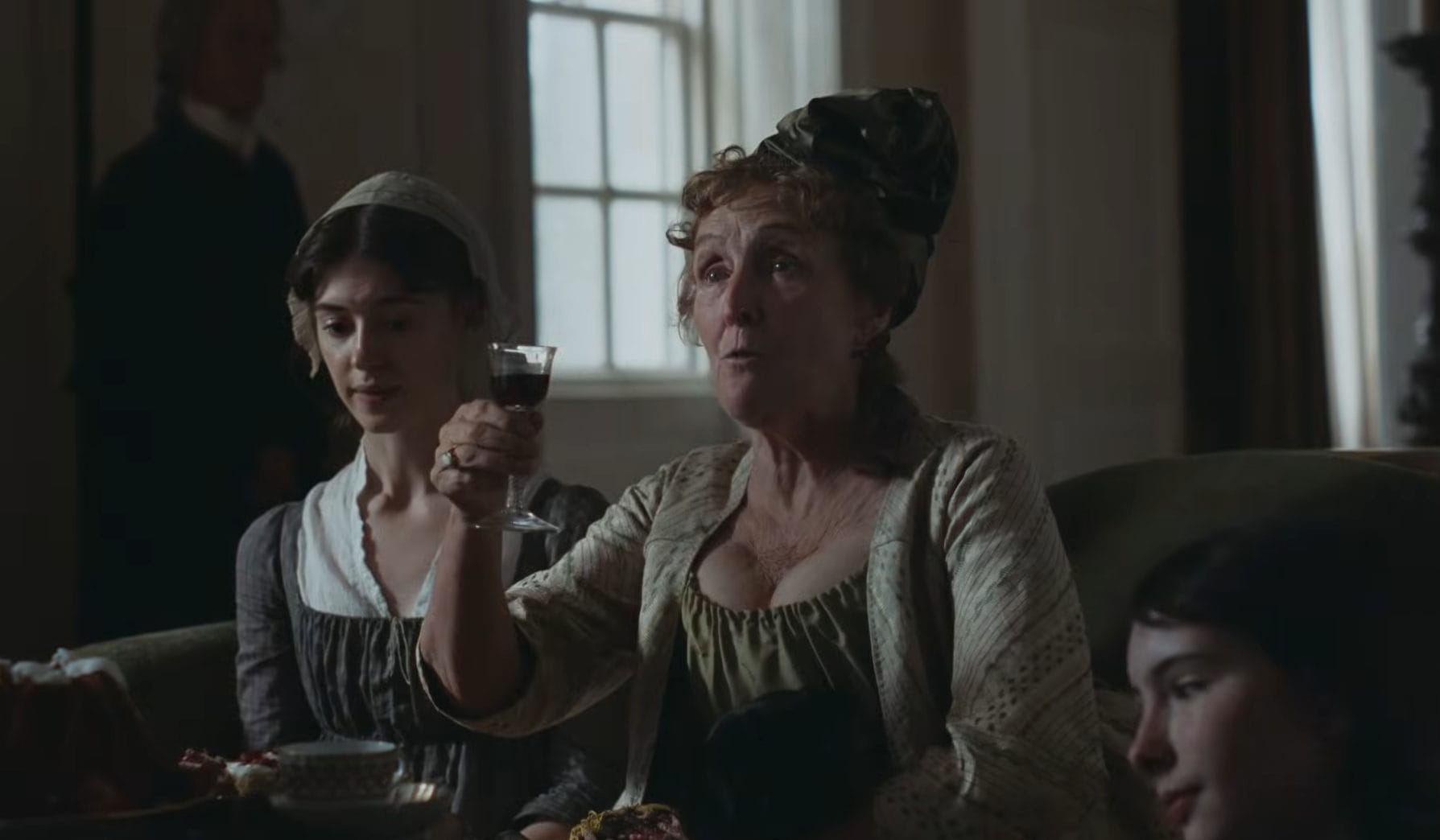
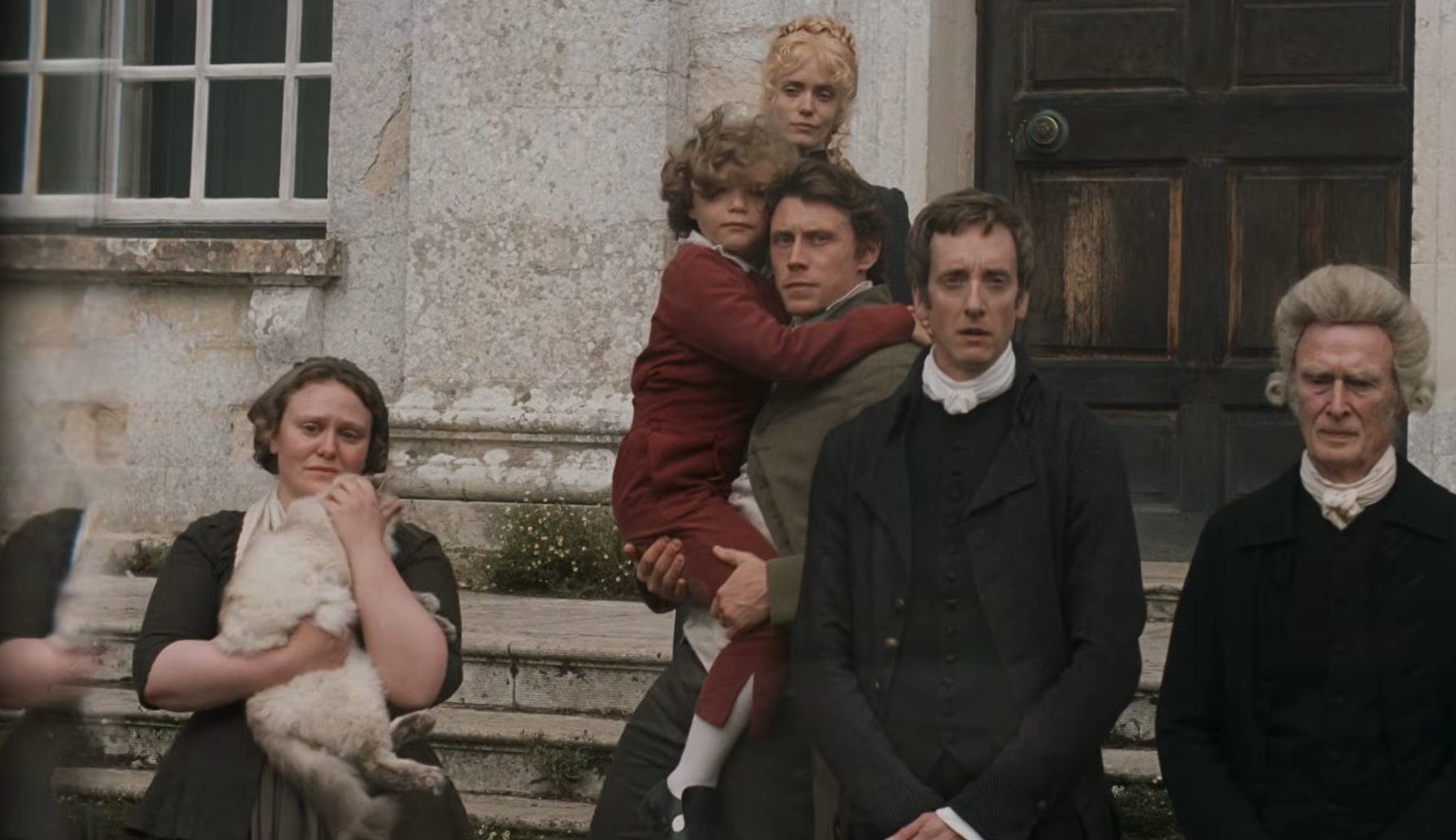
What stands out in early glimpses is the film’s refusal to treat its setting as decorative. Georgia Oakley appears more interested in what life feels like inside these constraints than in presenting a polished version of Georgian England. The Dashwoods’ reduced circumstances aren’t just a plot device; they shape how each conversation lands, how every interaction carries a cost.
That approach places this adaptation in a slightly different lane from earlier versions, including the well-known 1995 film directed by Ang Lee. Where some Austen adaptations lean into warmth and romantic inevitability, this one seems to sit closer to the mechanics underneath it all—inheritance laws, limited agency, and the constant negotiation between what people feel and what they can afford to show.
Working Title Films, which has long been associated with literary adaptations and romantic dramas, is behind the production. However, tone here feels less about nostalgia and more about friction. The emphasis, at least from the trailer, is on how unstable everything is beneath the surface of propriety. Whether it ultimately adds something new to the long history of Austen on screen will depend on the full film.

