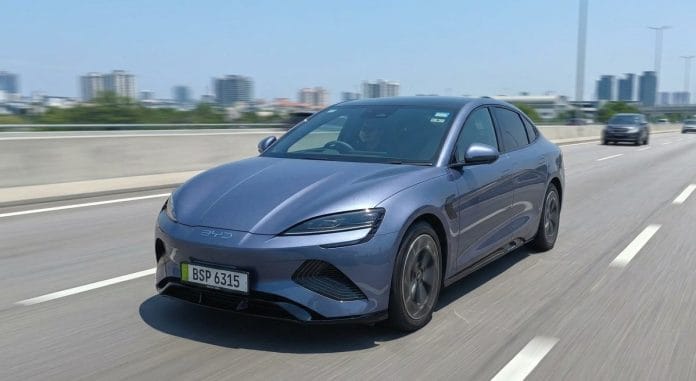
Driving through Kuala Lumpur (KL) in the BYD Seal Performance, I quickly realise this isn’t a car trying to shout for attention at every traffic light. It just happens to dominate them anyway.
In a city where stop-start traffic, sudden merges and unpredictable lane changes define the rhythm, the Seal Performance feels almost overqualified for the job.
In practice, though, most of that performance gets bottled up by KL’s reality — Jalan Tun Razak crawl, Federal Highway bottlenecks and the occasional clear stretch where I get a brief reminder of what this car can actually do.
It is brutally quick in a straight line, but around town, what stands out more is how effortless it feels. Overtakes happen without planning. Gaps in traffic disappear instantly. Yet, I never feel like I’m being pushed to drive aggressively just because the power is there.
That said, when I do switch it into “Sport” mode and find a rare open stretch, the Seal Performance still feels more like a straight-line specialist than a properly composed performance sedan.
The power delivery is immediate, but the chassis doesn’t quite match the urgency when things get twisty outside the city.
A Cabin Built for KL Traffic Survival
What I appreciate most in KL traffic is the cabin. It is genuinely comfortable in a way that makes crawling through Mid Valley congestion or the Jalan Bukit Bintang loop far more tolerable than it should be.
The front seats are soft but supportive, with real leather that feels properly finished rather than synthetic. The seat ventilation helps in KL’s humidity, and the adjustability means I can easily find a relaxed driving position even after long stretches stuck behind brake lights.
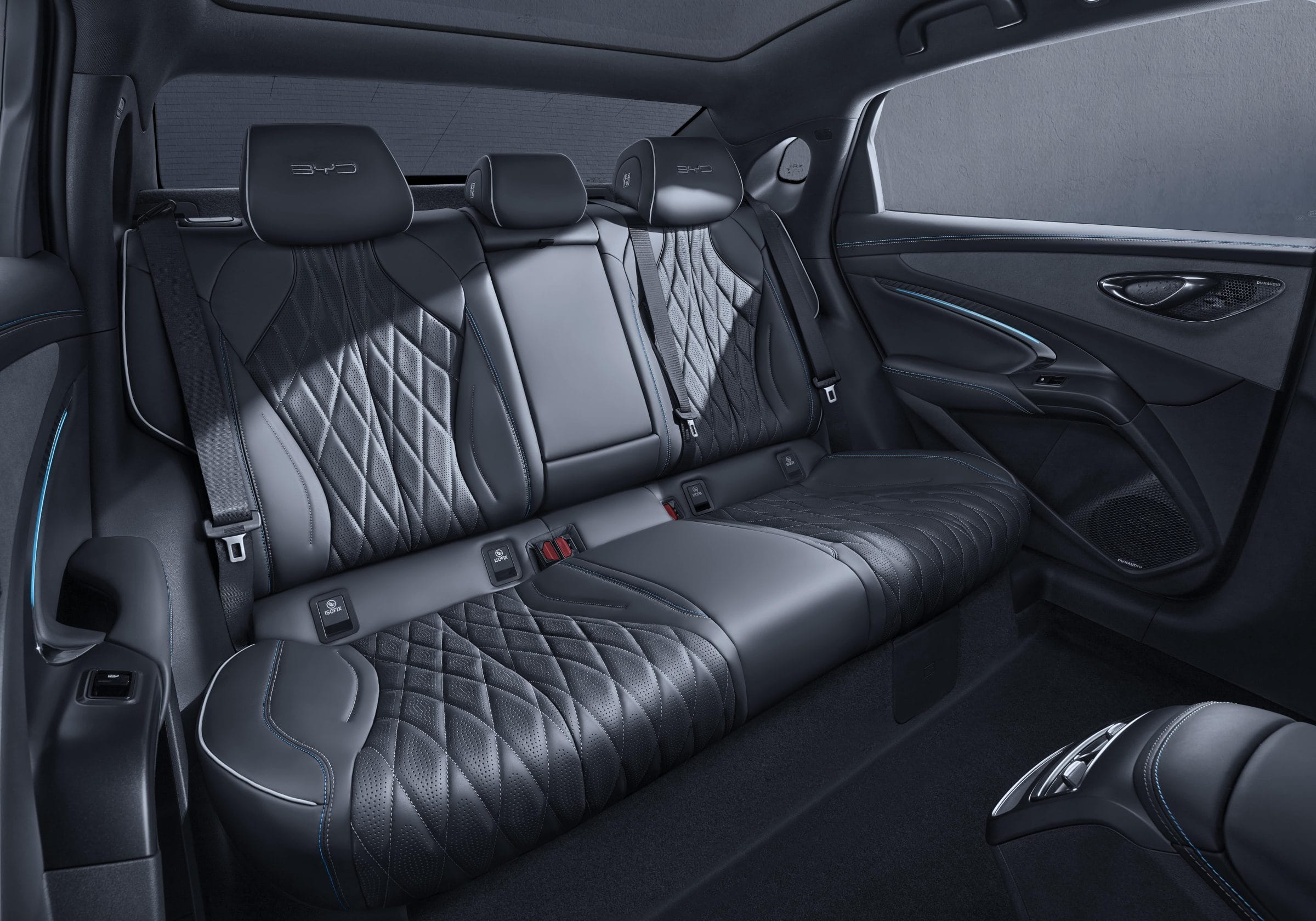
The seating position is interesting as it sits slightly higher than a traditional petrol sedan, but not SUV-like. It works well for urban driving where visibility over surrounding traffic matters.
Rear space is decent too as some of my tall friends could sit behind without having anything to complain. Overall, it feels more like a well-executed city sedan than a long-distance limousine.
The Rotating Infotainment
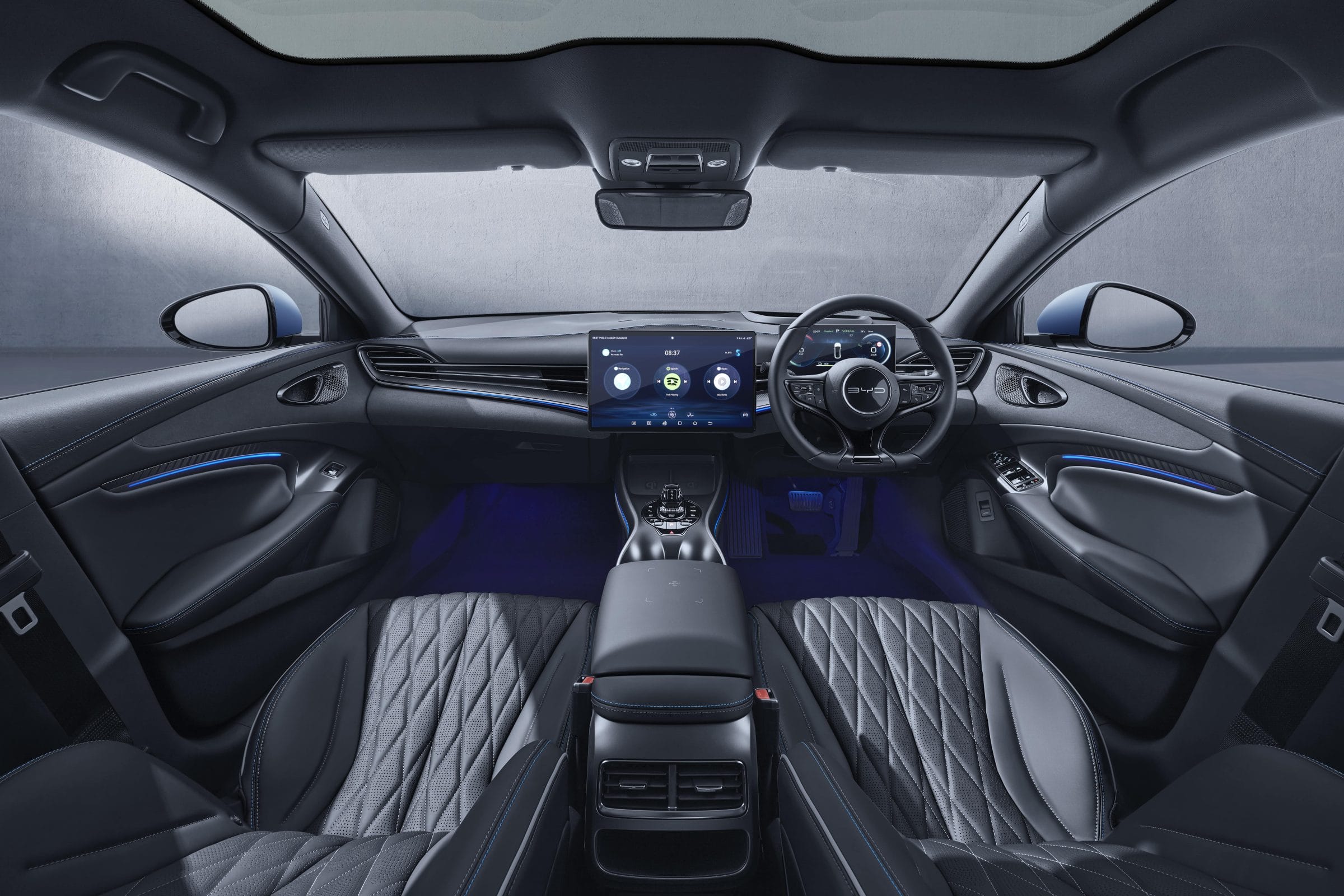
The 15.6-inch infotainment screen is the centrepiece of the cabin, and yes, it rotates between portrait and landscape. I tried both modes in KL traffic, but in reality, I kept reverting to landscape — it just works better, which I rely on for navigation through the city’s maze of flyovers and junctions.


It is fast, sharp and responsive, but like most modern EV systems, it demands a bit of learning. The menus aren’t complicated once you’ve adapted, but they do require more attention than physical controls would.
Climate controls are integrated into the screen, which means I’m occasionally swiping and tapping when I’d rather just twist a dial. The shortcut gestures help, but I still find myself wishing for more tactile simplicity during rush hour.
The rotating gimmick? Interesting, but not essential. In KL traffic, I never had a moment where portrait mode actually improved my experience.
Comfort in the Chaos, Confusion in the Details
On KL’s uneven road surfaces, especially sections of old asphalt and patched concrete, the Seal Performance shows its contradictions.
In “Comfort” mode, it floats beautifully over speed bumps and low-speed imperfections. It genuinely feels relaxed in city driving, almost too soft at times. But once I move faster on open highways like the DUKE or NKVE, the same setup feels slightly unsettled.
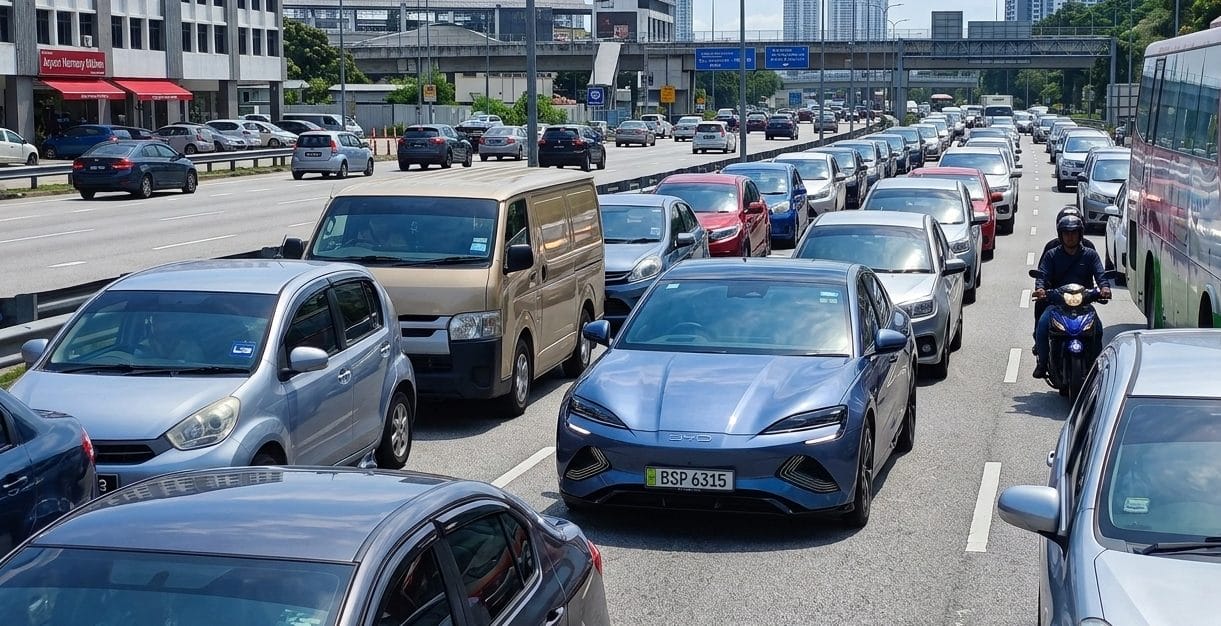
However, the “Sport” mode tightens things up, but then it becomes a bit busy over rough surfaces. There isn’t a perfect in-between, which is noticeable when transitioning from city to highway driving.
Steering is light and easy in traffic, which I appreciate when threading through tight downtown streets or parking ramps.
Tech-Heavy, But Not Always Seamless
The Seal Performance is loaded with technology — head-up display, 360-degree cameras, phone-as-key access and a strong safety suite.
In KL’s tight parking spots, the camera system is excellent. I found myself relying on it constantly in multi-level car parks and kerbside squeezes.
The head-up display is actually more useful than the instrument cluster, which can feel slightly cluttered at times.
However, some software quirks still show up in daily use. Lane assist can feel a bit intrusive on narrower KL roads, and speed warning chimes triggered by inconsistent sign recognition can get annoying, especially when it demands multiple screens taps to disable.
These are not deal-breakers, but they are reminders that the software experience still isn’t as polished as the hardware.
Everyday EV Living in KL Reality
Boot space is adequate for city life — groceries, airport runs, weekend errands — but not class-leading. The frunk helps slightly, but it is more of a bonus than a practical extension of storage.
What matters more in KL is efficiency of use, and in that sense, the Seal works. Wireless charging, dual phone connections and multiple USB ports make it easy to live with.
The sound system is solid, though not standout. In KL traffic, I mostly just appreciate having something clear enough to mask the occasional honking symphony outside.
The Seal Performance is undeniably quick, and in KL, that is more than enough. It makes merging into traffic effortless and turns short bursts of urban driving into something mildly addictive.
In the real world — stop lights, jams, mall parking and sudden highway openings — the Seal Performance fits surprisingly well.
Final Thoughts From The Driver’s Seat
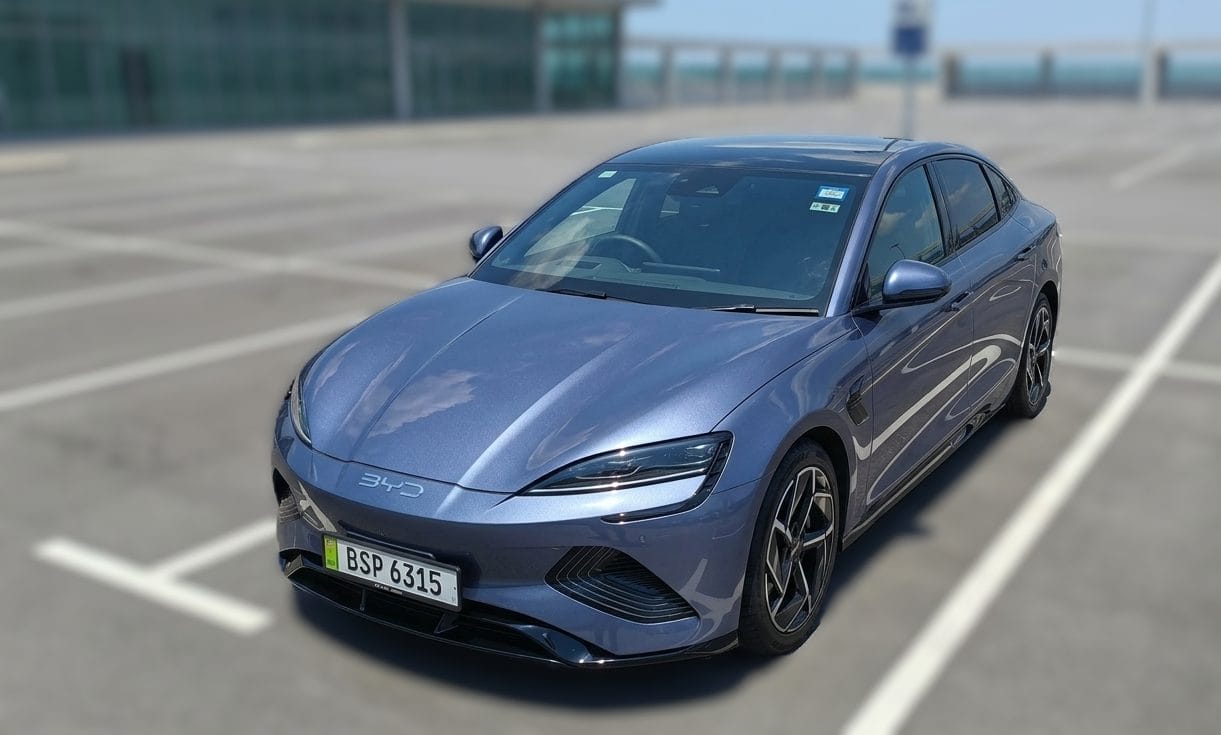
After spending time with the Seal Performance in KL, I see it less as a driver’s car and more as a very fast, very comfortable urban tool that occasionally reminds me it can do much more.
It doesn’t quite have the polish of the best performance EVs, but in a city where speed is rarely usable and comfort is everything, it makes a strong case for itself anyway.