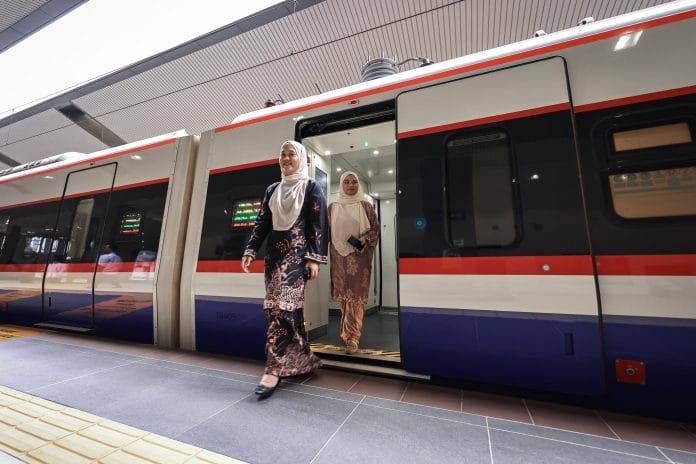
The upcoming Johor Bahru (JB)-Singapore Rapid Transit System (RTS) Link may transform cross-border commuting when it begins operations in January 2027, but it will not solve one of the city’s biggest transport challenges — moving people efficiently once they arrive in JB says Dr Susilawati.
“That is why the proposed RM10 billion elevated Autonomous Rapid Transit (e-ART) system should not be viewed as another ambitious rail project, but as the critical missing link that will determine whether the RTS Link can fulfil its promise as the backbone of a modern metropolitan transport network.” she further quipped.
Speaking exclusively to BusinessToday, Monash University Malaysia’s School of Engineering senior lecturer Dr Susilawati said the real question is no longer whether Johor needs another transit system, but whether it can afford not to build one.
Completing The RTS Ecosystem
According to Dr Susilawati, the RTS Link is designed primarily to address cross-border travel between Bukit Chagar and Woodlands North. While it will significantly improve connectivity across the Johor-Singapore Causeway, passengers travelling onwards to destinations such as Skudai, Tebrau and Iskandar Puteri will still depend heavily on JB’s congested road network.
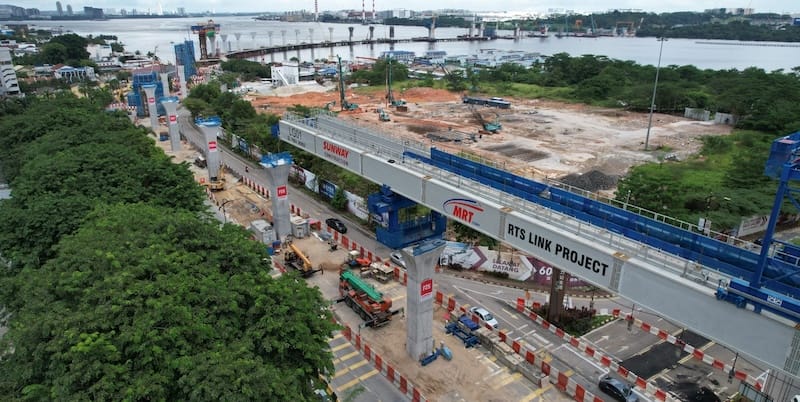
Without a high-capacity urban distribution system, she warned, traffic congestion would simply shift from the Causeway to Bukit Chagar, creating a new bottleneck that undermines the operational benefits of the RTS Link.
The concern is particularly relevant given JB’s existing traffic conditions. State traffic studies have identified 77 congestion hotspots across 41 traffic clusters, with 24 categorised as severe. As cross-border passenger numbers continue to rise following the RTS Link’s opening, these pressure points are expected to become even more congested.
“Viewed in this context, e-ART is not an alternative to the RTS Link. It is complementary infrastructure that enables the RTS Link to function as the backbone of an integrated metropolitan transport system,” she said.
Mega RM10 Billion Price Tag
The proposed e-ART network spans approximately 50km across three corridors with 32 stations, translating into an average construction cost of around RM200 million per km.
Although this appears significantly higher than international ground-level ART systems, Dr Susilawati said the comparison overlooks one important distinction.
The proposal involves elevated guideways, major interchange facilities and full integration with the RTS Link rather than operating at street level.

She argued that this elevated design is precisely what justifies the investment.
“A ground-level system operating alongside existing traffic would inevitably face many of the same congestion challenges that have limited bus rapid transit systems, reducing reliability and travel time savings.
“Elevated right-of-way allows the system to bypass road congestion entirely, making the higher upfront capital cost a rational long-term investment,” she explained.
Alternative solutions such as widening roads, expanding bus services or constructing a conventional light rail transit (LRT) system address different mobility challenges, she added.
Road expansion may temporarily ease congestion but cannot prevent induced traffic demand. Bus services remain vulnerable to road conditions unless operating on fully segregated lanes, while conventional LRT would require similar or even higher capital expenditure alongside a longer construction timeline.
“The more relevant comparison is therefore not between e-ART and alternative transport projects, but between building an urban distribution network and not building one,” she said.
With approximately 300,000 daily crossings currently recorded on the Johor-Singapore Causeway and the RTS Link projected to eventually carry up to 140,000 passengers daily, she cautioned that Bukit Chagar could become a passenger bottleneck instead of an efficient regional transport hub without an effective feeder network.
Not to entirely depend on Technology
While much public attention has focused on the technology behind autonomous transit, Dr Susilawati believes the greater risk lies elsewhere.
Malaysia’s experience with ageing urban rail systems demonstrates that long-term performance depends as much on governance, maintenance planning and regulatory oversight as it does on engineering.
Persistent service disruptions affecting the Kelana Jaya and Ampang/Sri Petaling lines were not purely technological failures, she noted, but reflected shortcomings in lifecycle planning, asset management and institutional oversight.
Modern ART systems are designed with significantly greater operational resilience through advanced train control and monitoring systems, redundant communications architecture, real-time diagnostics and fault-tolerant propulsion and energy storage systems.
However, these technological safeguards cannot replace robust governance frameworks.
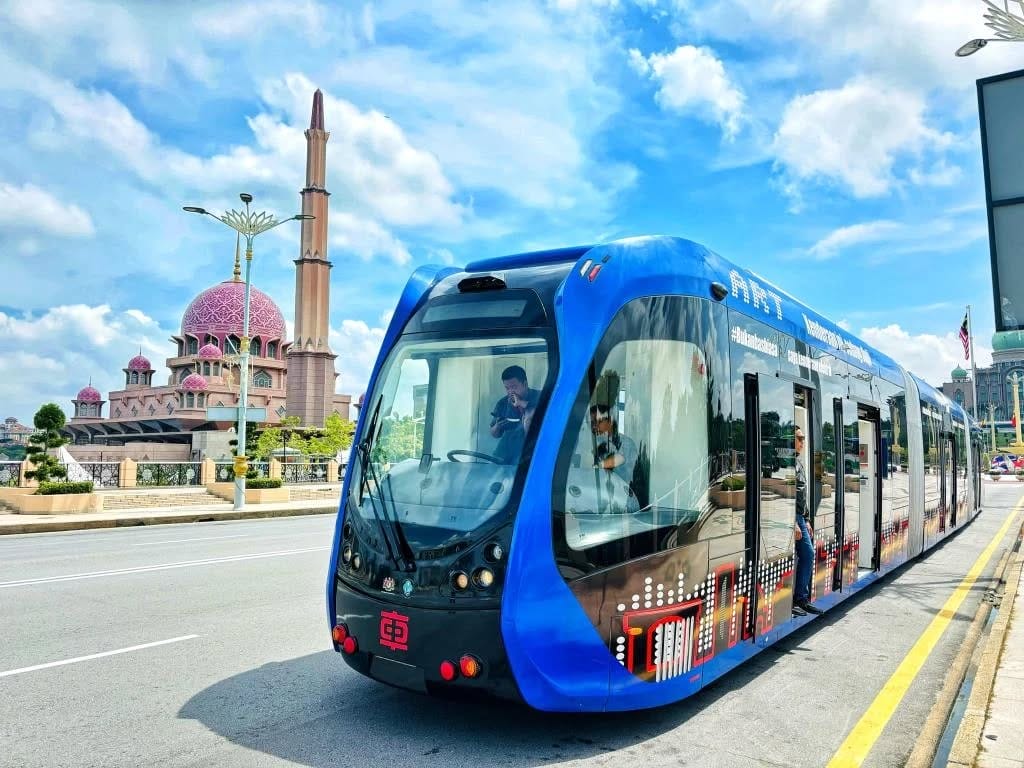
Unlike conventional rail, e-ART combines autonomous vehicle technologies, artificial intelligence-assisted perception, software-defined control systems and virtual-track guidance, areas that existing Malaysian rail regulations were never designed to govern comprehensively.
To ensure long-term reliability, Dr Susilawati said Malaysia should establish dedicated regulatory capabilities for e-ART, develop national technical and safety standards, strengthen university-industry collaborations to build specialist expertise and commission independent international technical reviews before the system enters commercial service.
Investment For the Future
Ultimately, Dr Susilawati believes the proposed RM10 billion investment should be assessed not as a standalone transport project but as enabling infrastructure that unlocks the full economic value of the RTS Link.
“JB requires e-ART not because it needs another rail system, but because the RTS Link cannot achieve its full potential without an effective urban distribution network,” she said.
Whether the project succeeds, however, will depend less on autonomous technology than on Malaysia’s ability to establish the regulatory frameworks, maintenance capabilities and institutional expertise needed to operate the system reliably for decades to come.
“If these foundations are built alongside the infrastructure, Johor will not only gain a modern transit network but one capable of supporting the state’s long-term economic growth and urban transformation,” she added.