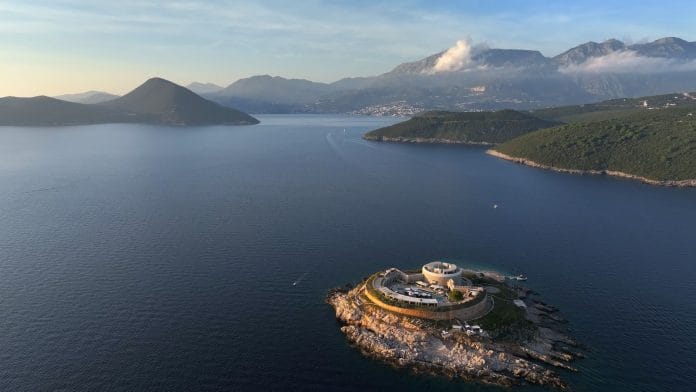
Banyan Tree has officially planted its flag in Europe, with the launch of Mamula Island by Banyan Tree marking the brand’s first resort on the continent.
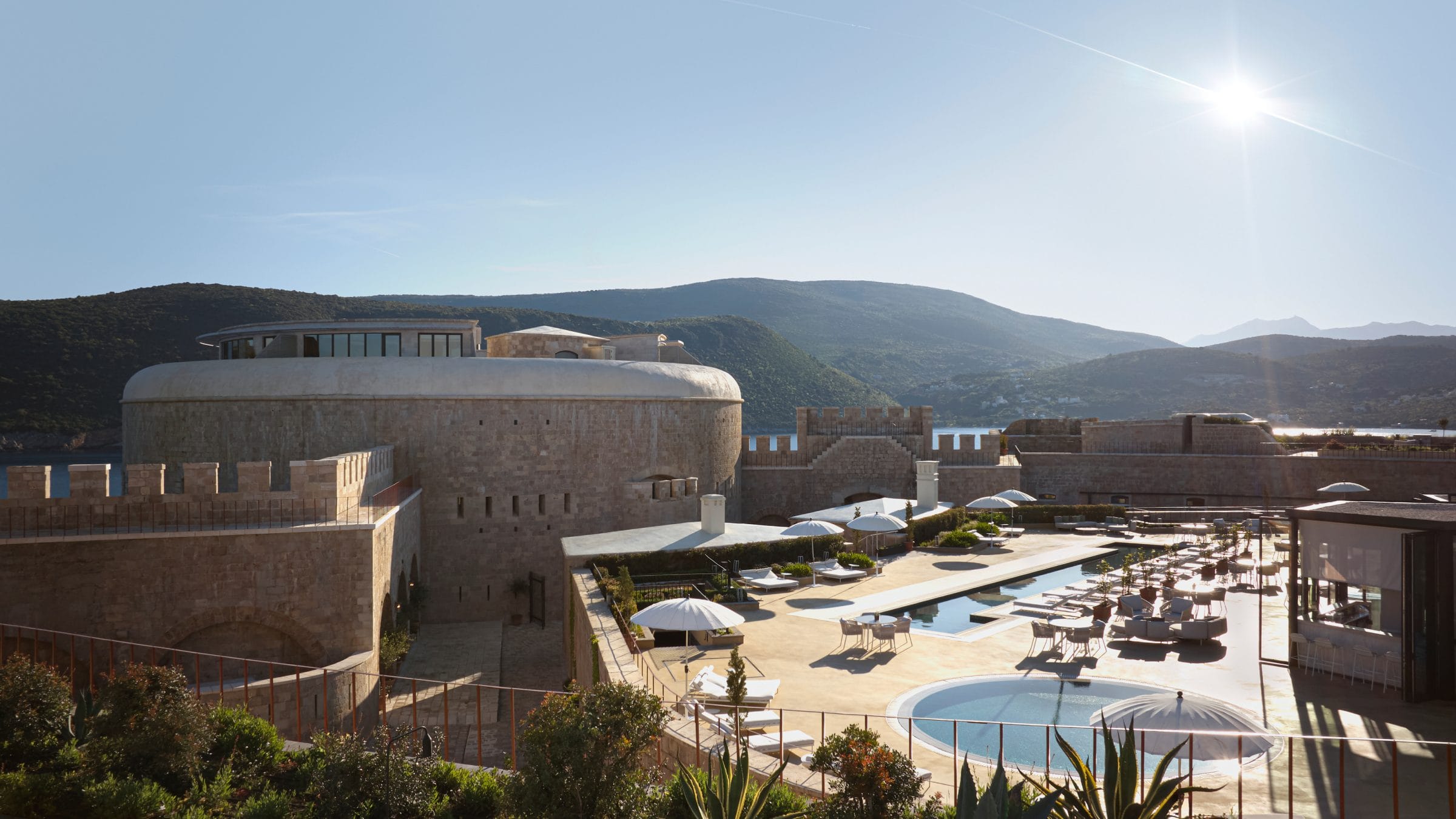
Located at the entrance to Montenegro’s UNESCO-listed Bay of Kotor, the 32-room property occupies a restored 19th-century fortress on a small island in the Adriatic Sea. The resort is now entering its first full season under the Banyan Tree name, following its addition to the group’s global portfolio.
Rather than replacing the site’s history, the redevelopment has centred on preserving it. Originally built in the 1850s as Fort Mamula, the structure underwent a seven-year restoration led by developer Samih Sawiris alongside architects, designers and local heritage authorities.
Much of the original stonework and architectural details remain, while new interiors introduce contemporary materials and handcrafted furnishings that complement the fortress rather than compete with it.
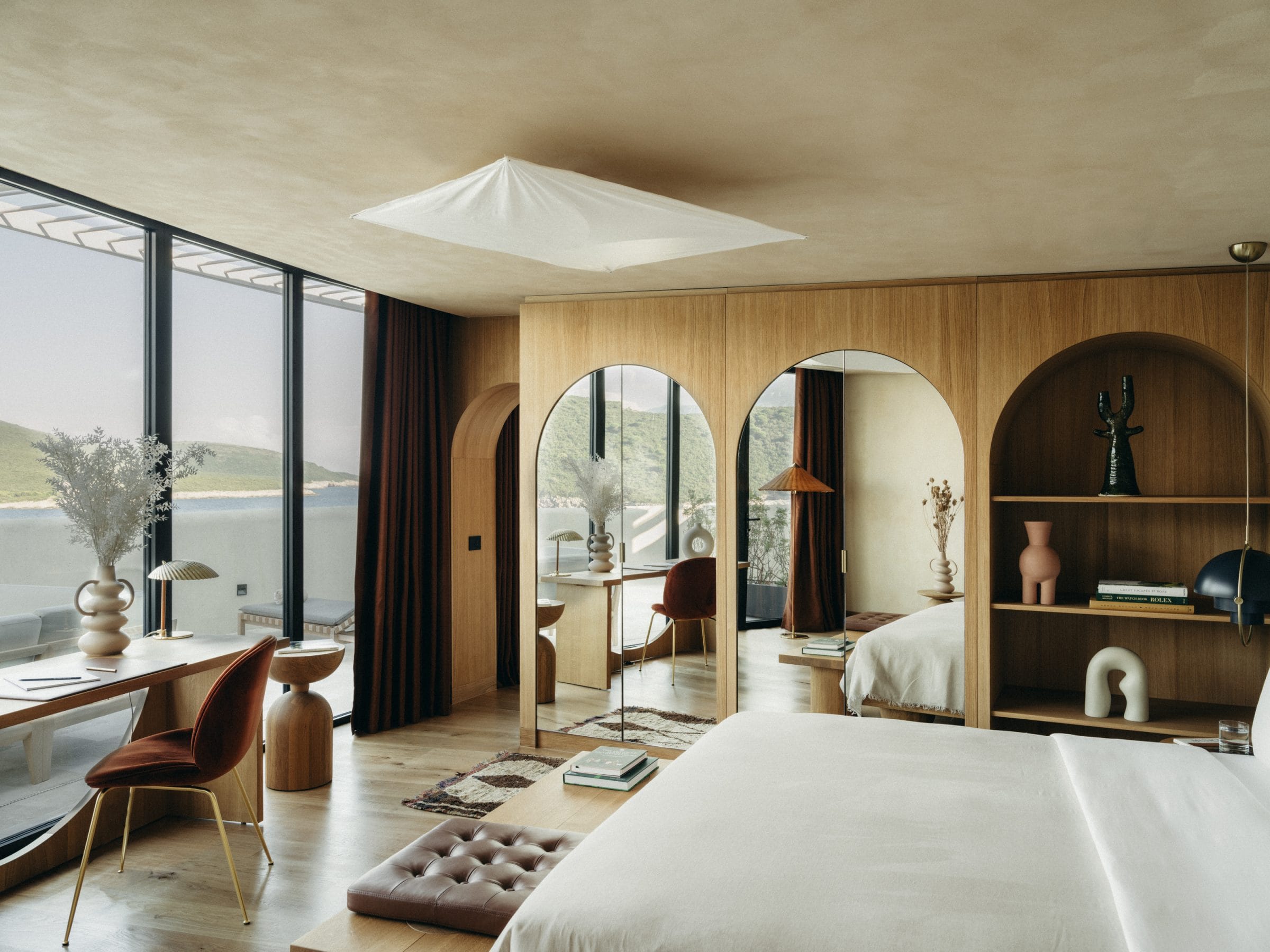
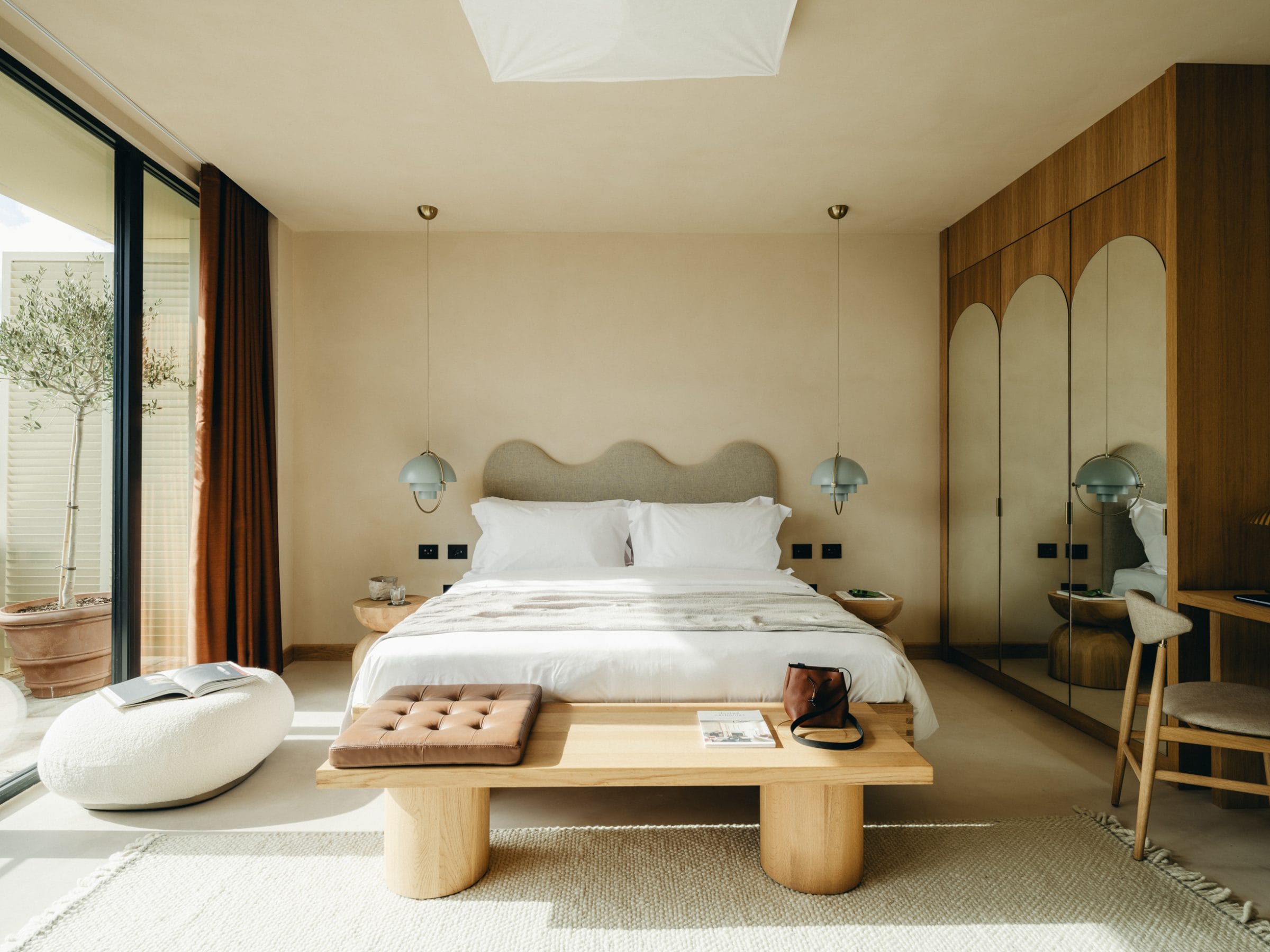
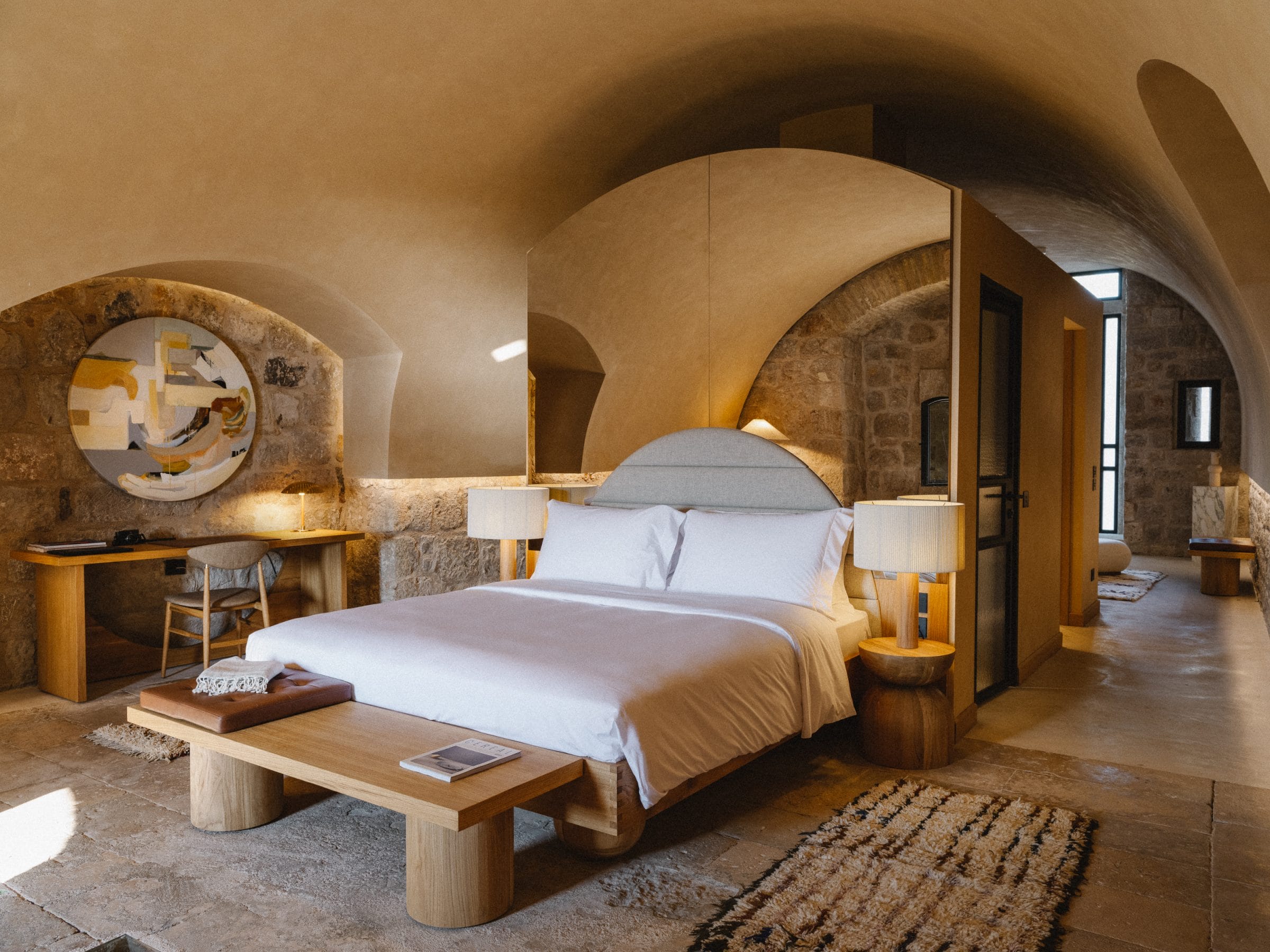
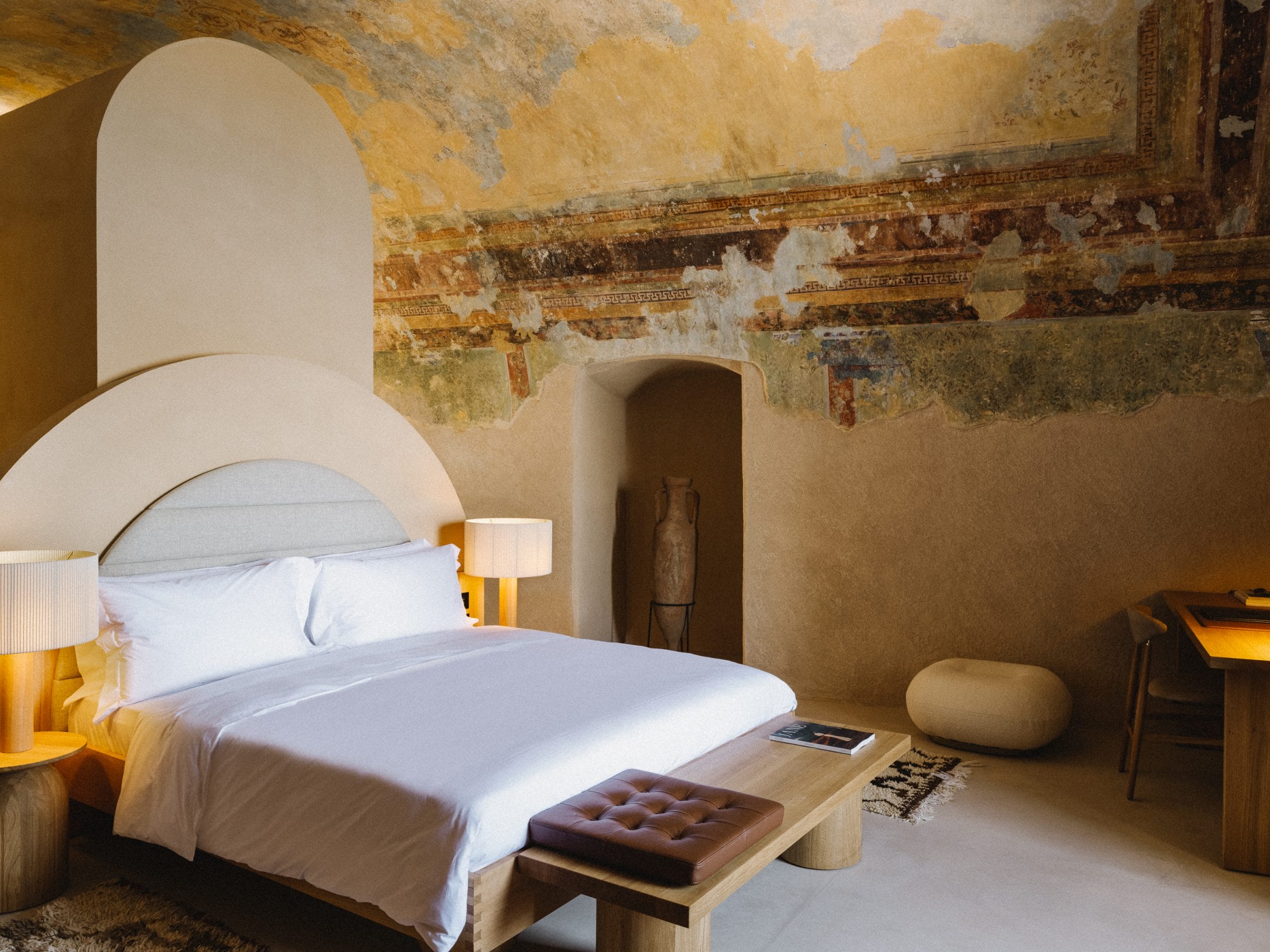
Accommodation is split between heritage suites housed within the original fort and newly built rooms overlooking the Adriatic. Every room faces the sea, with several suites preserving original features that connect guests to the building’s military past while offering a modern hospitality experience.
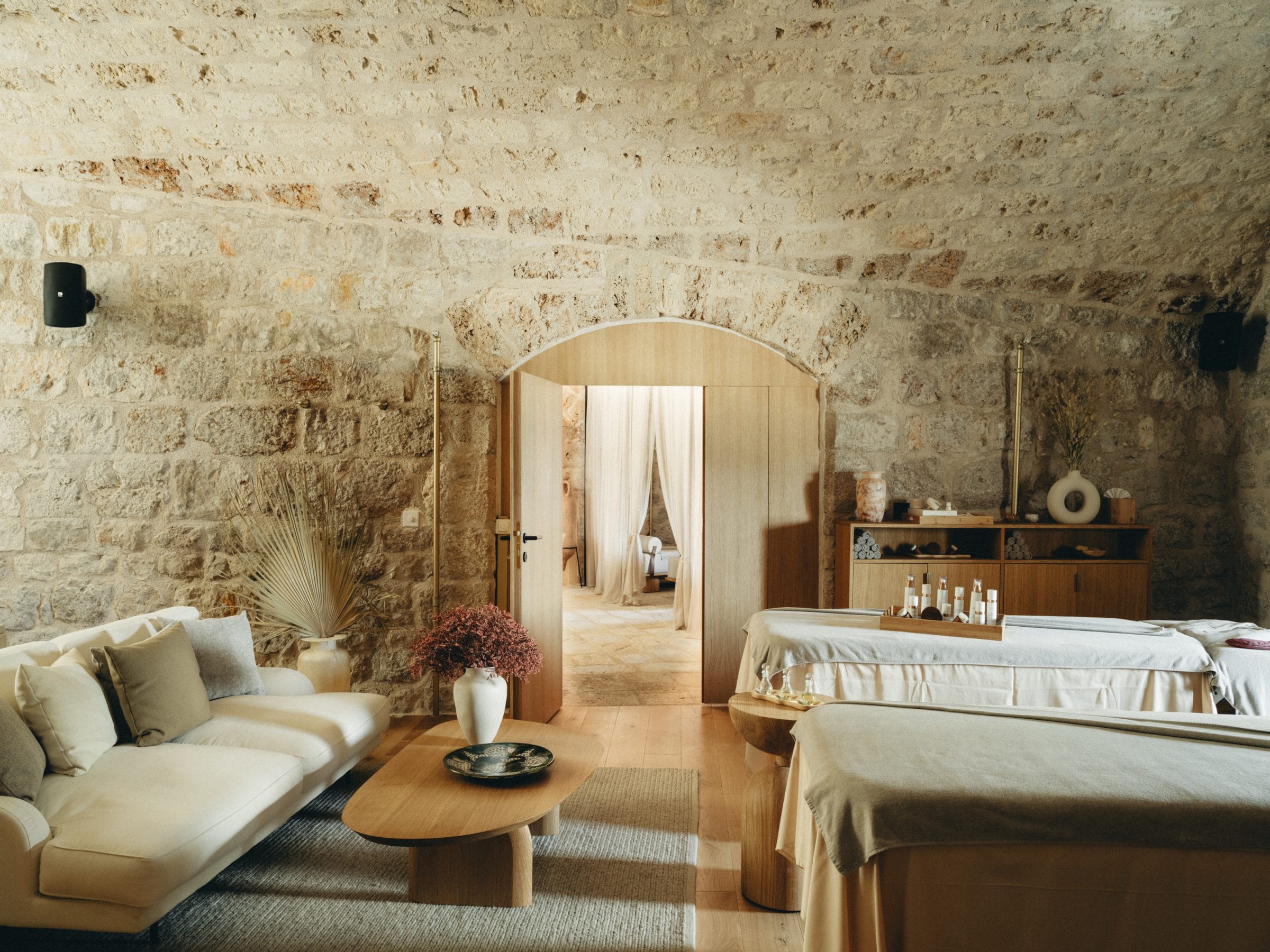
The resort also introduces the Banyan Tree Spa to Europe, adding treatments inspired by local botanicals alongside Thai, Javanese and Chinese wellness traditions. The spa includes saunas, a flotation chamber, steam facilities and spaces designed around hydrotherapy and relaxation.
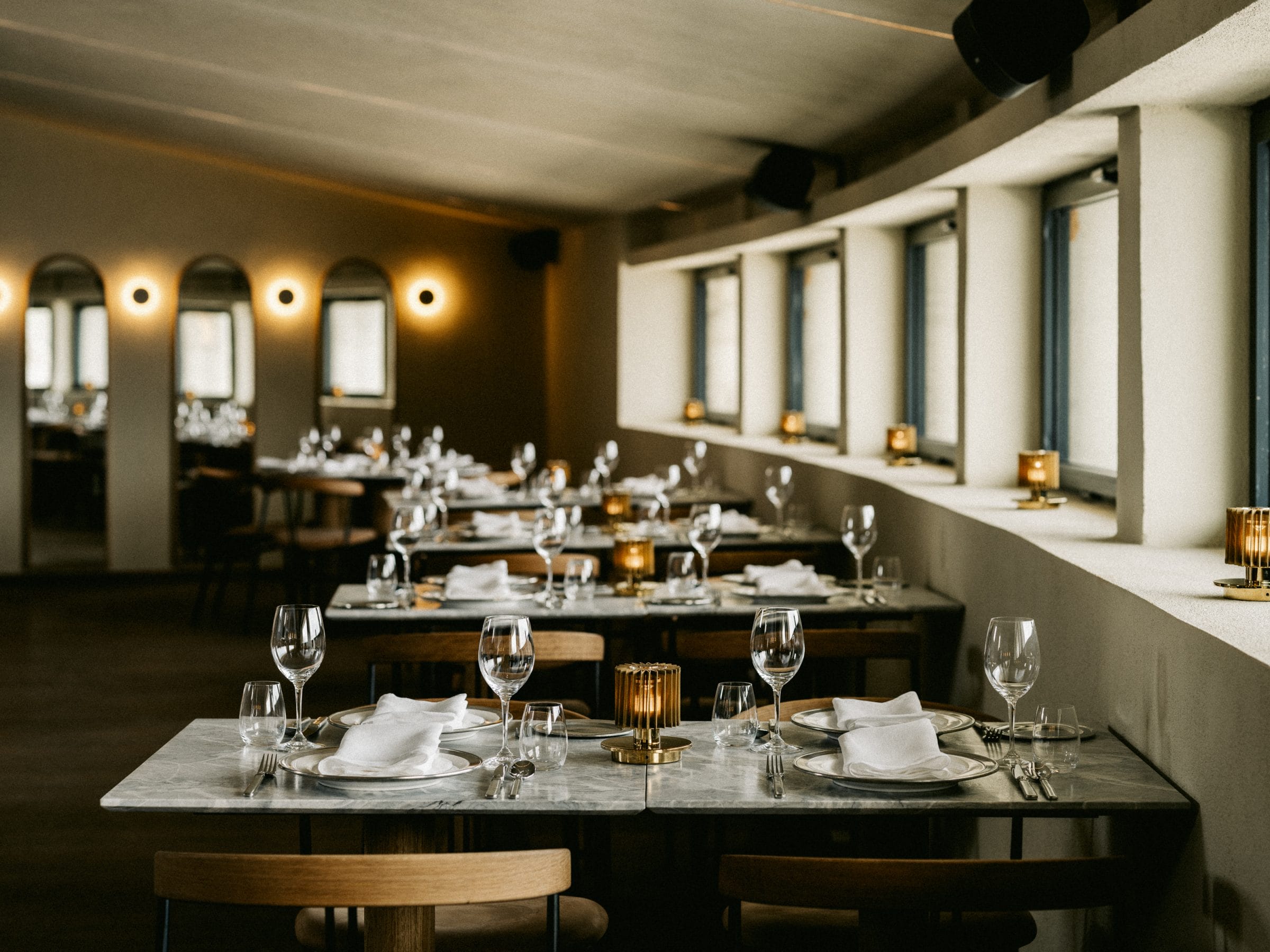
Dining draws heavily on Montenegro’s coastline. Restaurants across the island focus on seasonal produce and locally sourced seafood, while menus reflect the country’s Mediterranean influences rather than international hotel dining formats.
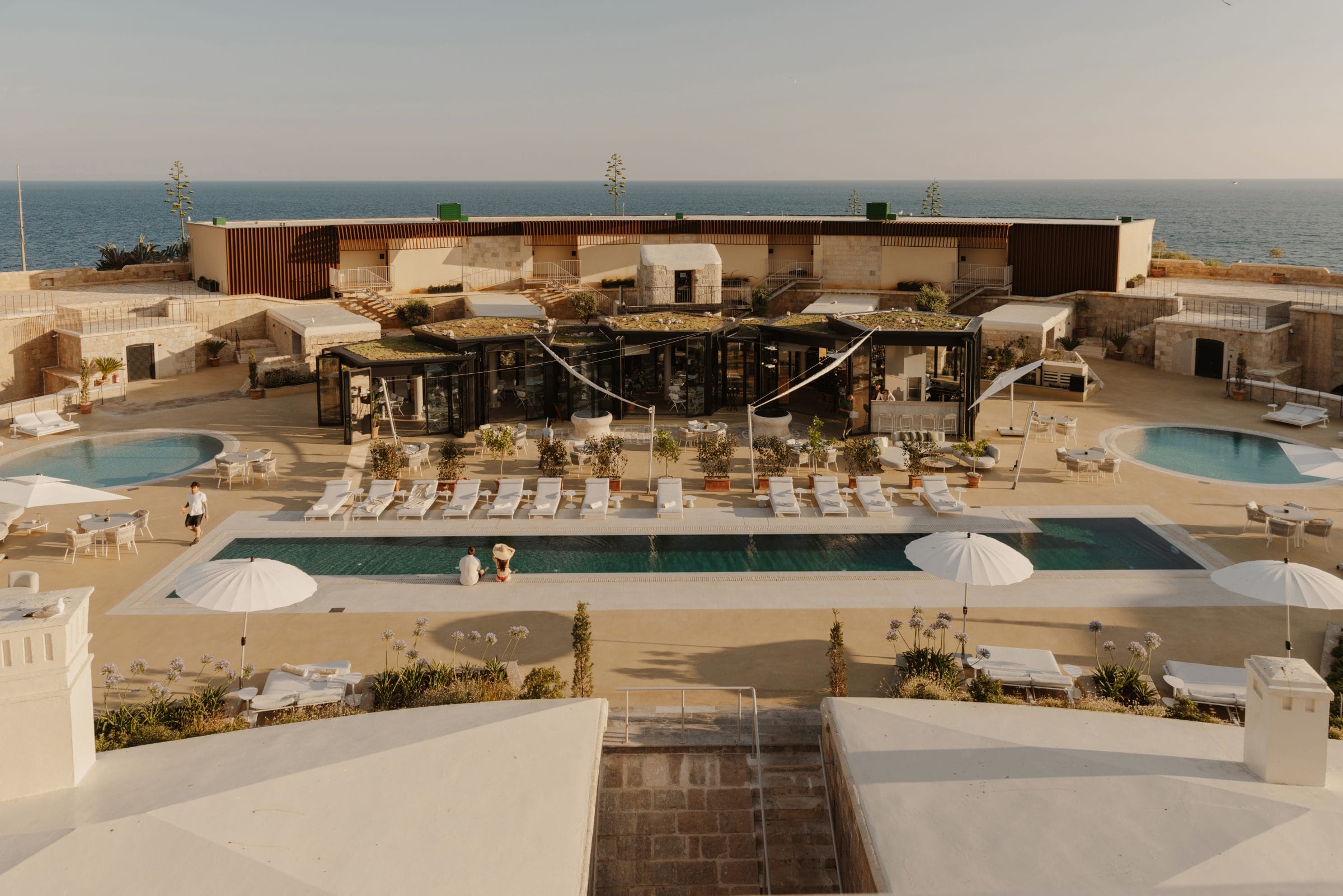
Beyond the resort itself, Mamula Island positions the surrounding destination as part of the experience. Guests can explore the Bay of Kotor by kayak, paddleboard or e-bike, or venture further to sites including Kotor Old Town, the Blue Cave and Skadar Lake.
Cultural programming also plays a significant role, with artist residencies, exhibitions, live performances and workshops introducing visitors to Montenegro’s creative community.
As the resort begins its first full season, it adds another option to Montenegro’s growing luxury hospitality scene while highlighting the increasing demand for properties that combine history, local culture and modern hospitality.