With the Johor state election just days away and the political temperature rising, the battle for the Menteri Besar’s (MB) office is intensifying as rival camps position themselves for control of the state’s leadership.
Speaking exclusively to BusinessToday, political analyst Dr Ahmad Zaharuddin Sani said the outcome will ultimately be shaped by three key factors: Electoral performance, political alliances and the Johor Palace’s constitutional prerogative.
According to Dr Ahmad Zaharuddin, incumbent Datuk Onn Hafiz Ghazi enters the election as the clear frontrunner to retain the MB post should Barisan Nasional (BN) secure victory. However, an unexpected political shift could open the door for alternative candidates from within Pakatan Harapan (PH).
He said Johor’s unique political landscape means the path to the MB’s office is not determined solely by electoral victories or campaign popularity.
Instead, the final decision will depend on who can command the confidence of the State Legislative Assembly while ensuring institutional stability and maintaining the confidence of the Johor Palace.
Onn Hafiz’s political momentum built on visibility and delivery
Dr Ahmad Zaharuddin described Onn Hafiz as a different breed of Johor political leader, moving away from the traditional image of an UMNO strongman towards a more corporate-style administrator focused on visibility, responsiveness and execution.

“His highly publicised early morning inspections at the Johor Bahru Customs, Immigration and Quarantine complex and public transport hubs have become a defining feature of his leadership style.
“While critics may view such appearances as political optics, I feel that the approach has successfully connected with ordinary Johoreans, particularly the hundreds of thousands of daily commuters affected by congestion and cross-border challenges,” he said, while emphasising that the political narrative surrounding Onn Hafiz has been supported by Johor’s economic performance.
“The state recorded RM110 billion in approved foreign direct investment in 2025, emerging as Malaysia’s fastest-growing state economy with 6.4% growth. Major initiatives such as the Johor-Singapore Special Economic Zone (JS-SEZ) and the Rapid Transit System (RTS) Link have further positioned Johor as a key driver of regional economic integration.
“These achievements have provided Onn Hafiz with significant political capital heading into the election,” he said.
The Palace factor remains Johor’s biggest political equation
Beyond economic indicators and public approval, Ahmad Zaharuddin said Onn Hafiz’s strongest advantage lies in his institutional positioning.
“As the great-grandson of UMNO founder Onn Jaafar and nephew of former defence minister Hishammuddin Hussein, Onn Hafiz possesses strong political lineage.
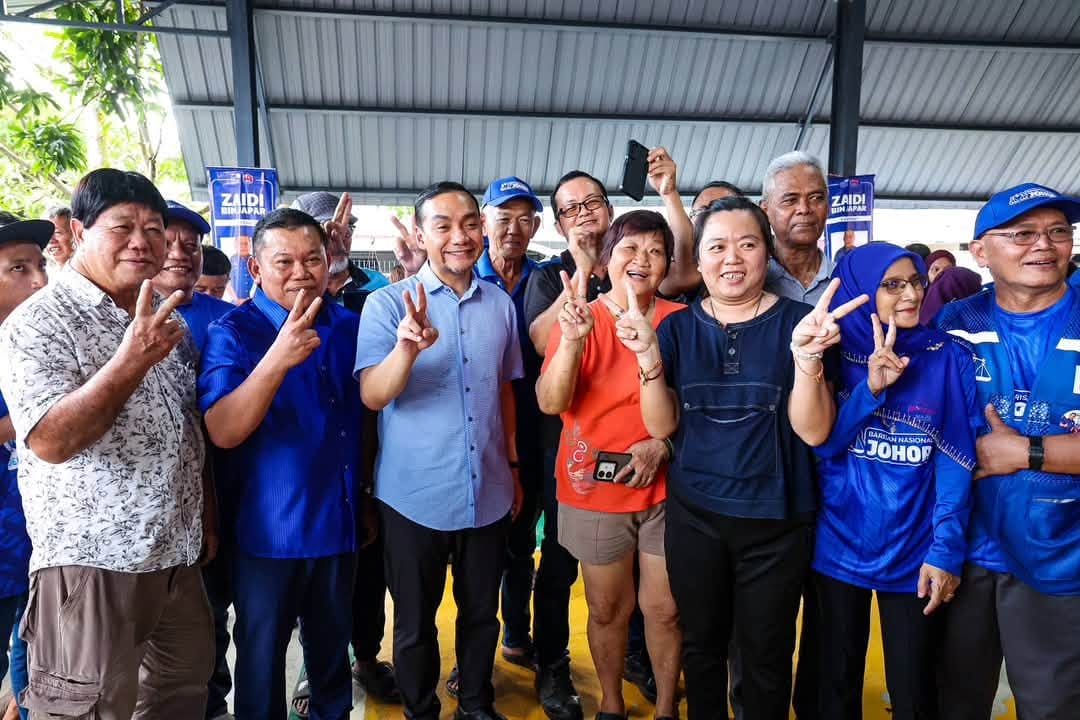
“More importantly, he has maintained a close relationship with the Johor Palace, a factor that carries considerable weight in determining the state’s leadership,” he added.
However, Dr Ahmad Zaharuddin cautioned that electoral victories alone do not automatically determine the next MB with the 2022 Johor election as a reminder.
“Despite BN campaigning under the then Johor MB Datuk Seri Hasni Mohammad, the Palace ultimately selected Onn Hafiz to lead the state government,” he said.
Nevertheless, this time around, Ahmad Zaharuddin believes the circumstances are different, with Onn Hafiz having established himself as the incumbent leader during a crucial economic transition period.
“With Johor currently positioning itself as a regional investment hub through initiatives such as the JS-SEZ, replacing the leadership could introduce unnecessary uncertainty, particularly among investors seeking policy continuity,” he explained, adding that should BN secure a strong mandate and no visible challenge emerging from the Johor UMNO old guard, Onn Hafiz’s position would remain firmly protected.
A PH breakthrough would trigger a more complex leadership equation
However, the political calculation becomes far more complicated if PH manages to overturn expectations and wins enough seats to form the next state government.
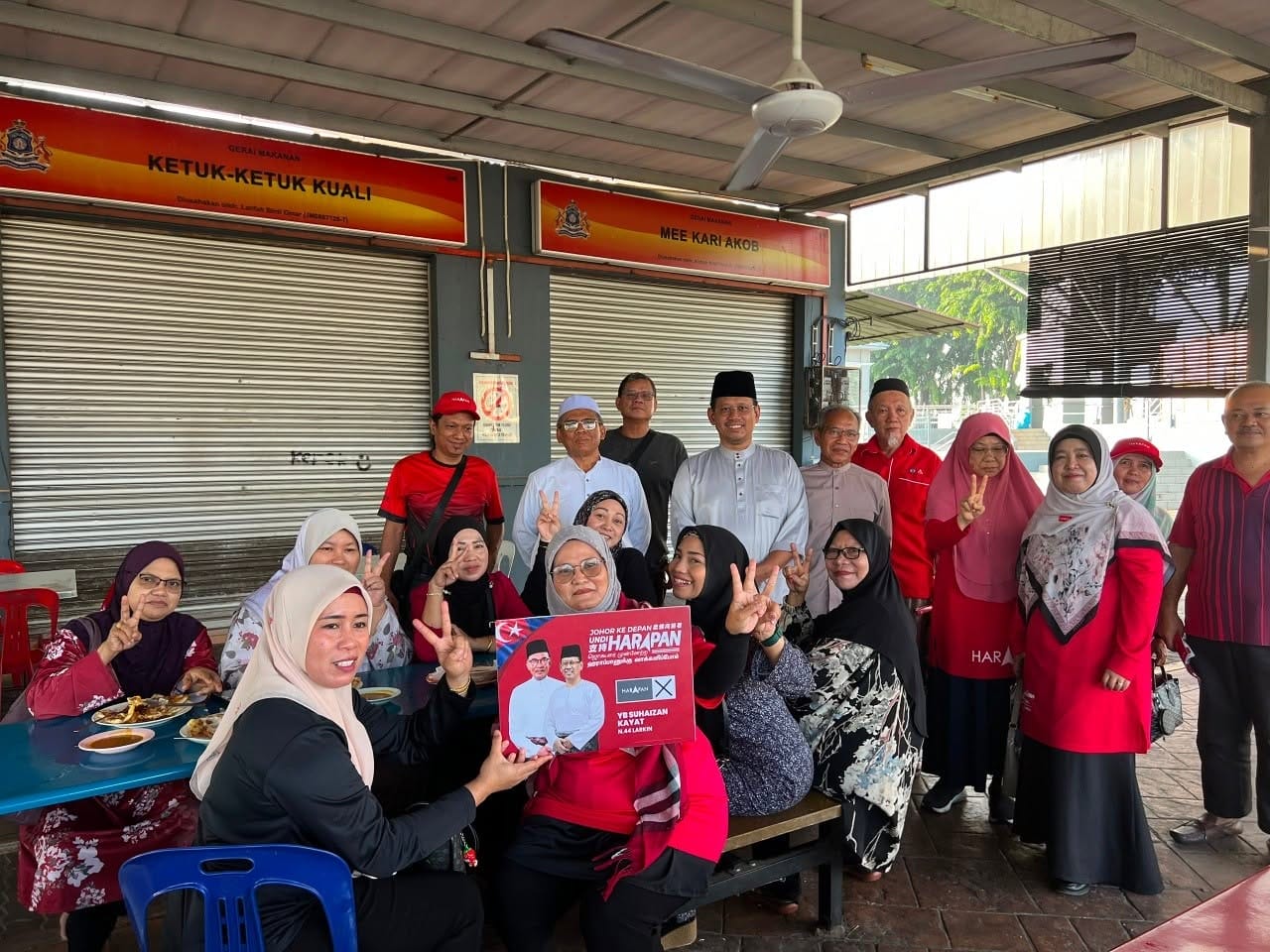
Ahmad Zaharuddin said PH would face the challenge of balancing coalition dynamics, internal party interests and the Palace’s expectations when deciding on a MB candidate.
While PH’s electoral strength is expected to come from DAP’s performance in urban and mixed constituencies, the state’s constitutional requirement means the MB must be a Malay Muslim.
This creates a more delicate leadership equation within the coalition, particularly among its Malay-based component parties.
Among the possible figures who could emerge from the PH camp are PKR’s Dr Maszlee Malik and Amanah’s Suhaizan Kayat.
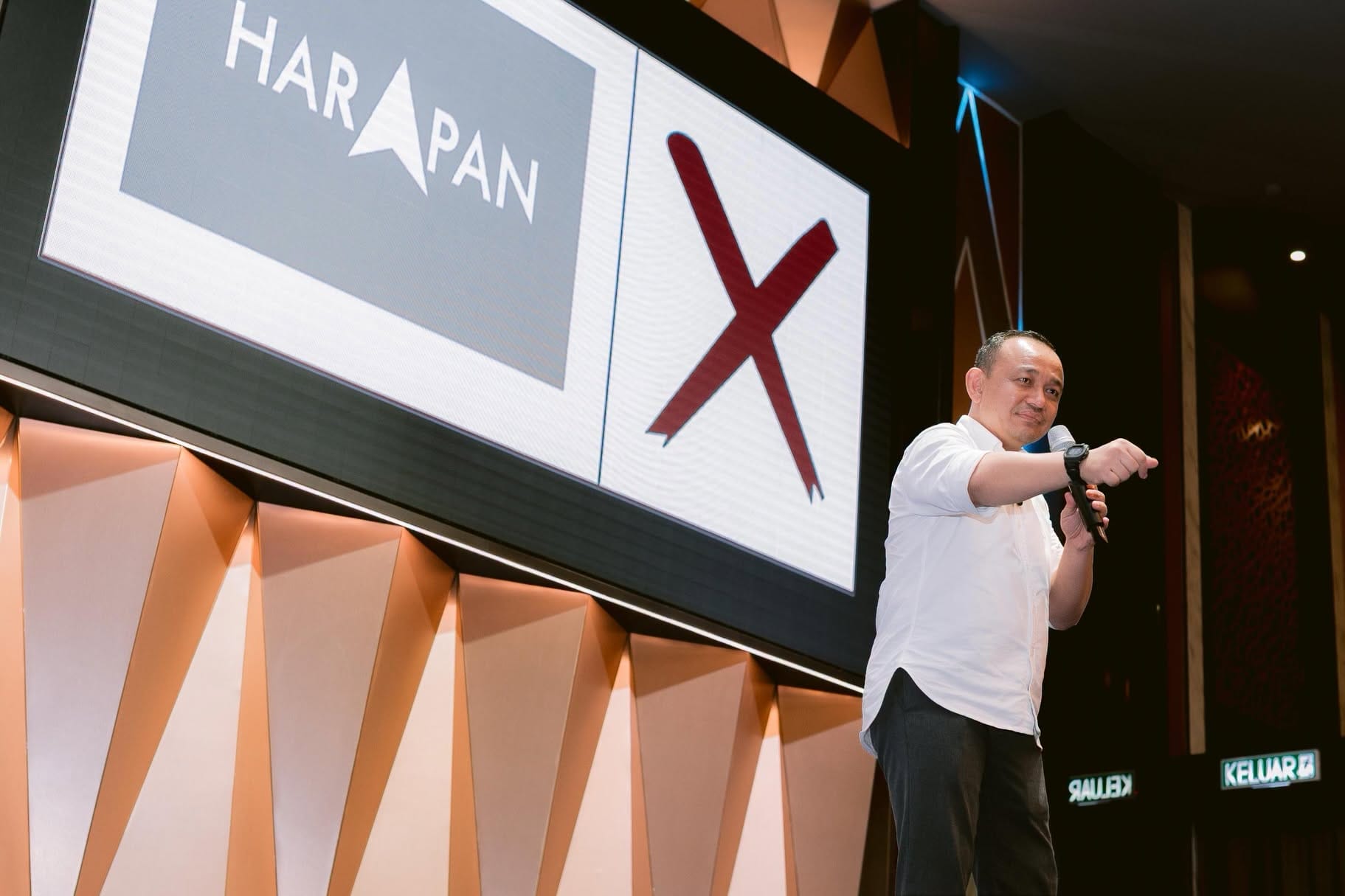
Maszlee, a former education minister, carries national recognition and is contesting the Layang-Layang seat. However, Ahmad Zaharuddin cautioned that public profile alone does not guarantee the top state position.
Suhaizan, a former Johor State Assembly Speaker and current Pulai MP contesting for the Larkin state seat, could represent a more institutional option given his legislative experience and potentially broader acceptability across different political stakeholders.
The constitutional wildcard
Nevertheless, Ahmad Zaharuddin stressed that the Johor Palace remains the ultimate wildcard in any leadership transition because under the Johor State Constitution of 1895, the Sultan has discretionary authority to appoint the individual who, in His Majesty’s judgment, commands the confidence of the majority of the assembly.
“This means a coalition’s preferred candidate may not necessarily become MB if the Palace determines another figure is better positioned to provide stability and effective governance,” he said, while referring to the 2022 state election where the Palace selected Onn Hafiz over Hasni.
In a scenario where no party secures a commanding majority, the importance of consensus-building will become even greater.
“While the road to the MB’s office is decided by voters, the final gatekeeper remains the Palace,” Ahmad Zaharuddin said.
The next chapter
While the election will determine Johor’s immediate political direction, Ahmad Zaharuddin said the bigger challenge for whoever leads the state will be transforming Johor’s economic potential into long-term prosperity.
For Onn Hafiz, this means moving beyond the image of an energetic administrator towards becoming a transformative statesman.
He highlighted two key challenges: Managing Johor’s relationship with Putrajaya and addressing the state’s long-running talent drain.
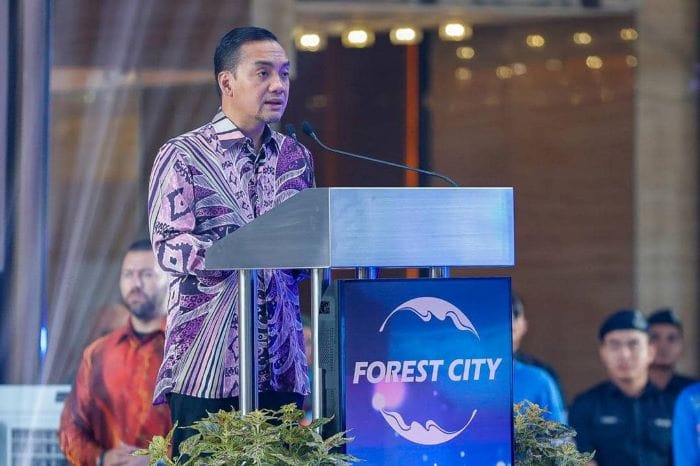
The public disagreements surrounding the JS-SEZ blueprint timeline, he said, highlighted the need for stronger federal-state coordination, as Johor’s economic future remains closely tied to national policy support.
At the same time, the opening of the RTS Link presents both an opportunity and a challenge. While it will strengthen connectivity with Singapore, it could also make it easier for skilled Johoreans to seek employment across the border.
Ahmad Zaharuddin said the true measure of Johor’s next leader will not simply be the number of investments secured, but whether the state can create enough high-value opportunities to retain its own talent.
As Johor prepares for a potentially defining political moment, the battle for the MB’s office will ultimately be shaped by more than just votes; it will be a contest between political momentum, institutional trust and the ability to deliver a lasting economic transformation.