Consumer prices posted their biggest decline in more than six years during June as a sharp swoon in energy prices provided at least temporary relief from this year’s inflation surge, the Bureau of Labor Statistics reported Tuesday.
The US inflation landscape in Jun-26 reflected a highly anticipated cooling as the headline CPI inflation eased to +3.5%yoy (May-26: +4.2%yoy), marking its first moderation in five months and coming in below the consensus forecast of +3.8%yoy. This moderation was primarily reflected a dramatic deceleration in energy costs (+15.7%yoy; May-26: +23.5%yoy) as a ceasefire between the US and Iran provided vital relief to the energy sector.
On a month-over-month basis, headline CPI fell by -0.4%mom, reversing +0.5%mom rise in May-26, to record the largest single-month decline since Apr-20. This monthly drop surpassed expectations of a -0.1%mom dip, pushed lower by a sharp -5.7%mom contraction in energy prices, including a -9.7%mom plummet in gasoline, which offset monthly gains in food (+0.2%mom) and shelter (+0.1%mom). Meanwhile, the underlying inflation trend showed distinct signs of stabilising as the core CPI eased to +2.6%yoy (May-26: +2.9%yoy) following a flat month-over-month change, undershooting market expectations of a +0.2%mom increase
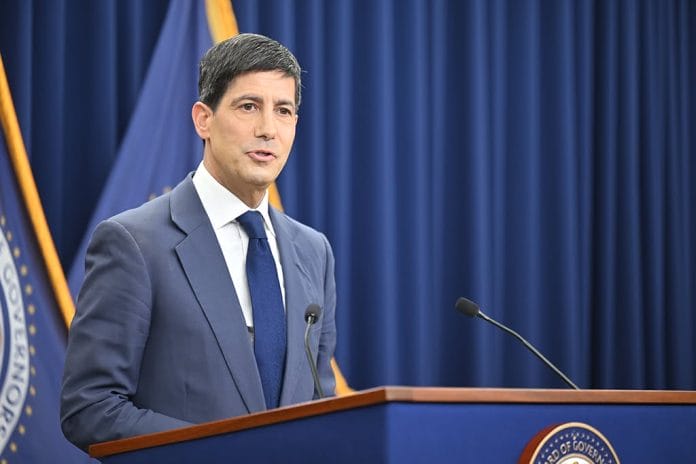
Meanwhile, appearing before Congress for the semi-annual testimony, the Fed Chairman Kevin Warsh adopted a resolutely hawkish posture despite the softer CPI data.He asserted that the central bank has “no tolerance” for persistently high inflation and will not declare “mission accomplished” based on a single report. Warsh explicitly took full ownership of the price stability mandate, claiming “inflation is a choice”, while signaling a major regime shift that includes discarding traditional forward guidance and overhauling the Fed’s 2020 average inflation targeting framework. However, the institutional resolve to push inflation down to its +2.0% target faces immediate external headwinds; a fresh geopolitical attack has renewed supply disruptions, presenting a risk of higher oil prices moving forward that could rapidly reverse June’s energy-driven disinflation.
Following the easing in Jun-26 inflation, probability metrics for near-term policy tightening at the upcoming Sep-26 meeting have eased down significantly to roughly 50% based on CME FedWatch, a sharp drop from 75% in the previous day. Given the renewed price pressures and the hawkish signal, MBSB opines that the Fed would consider tightening its policy later this year to keep inflation under control