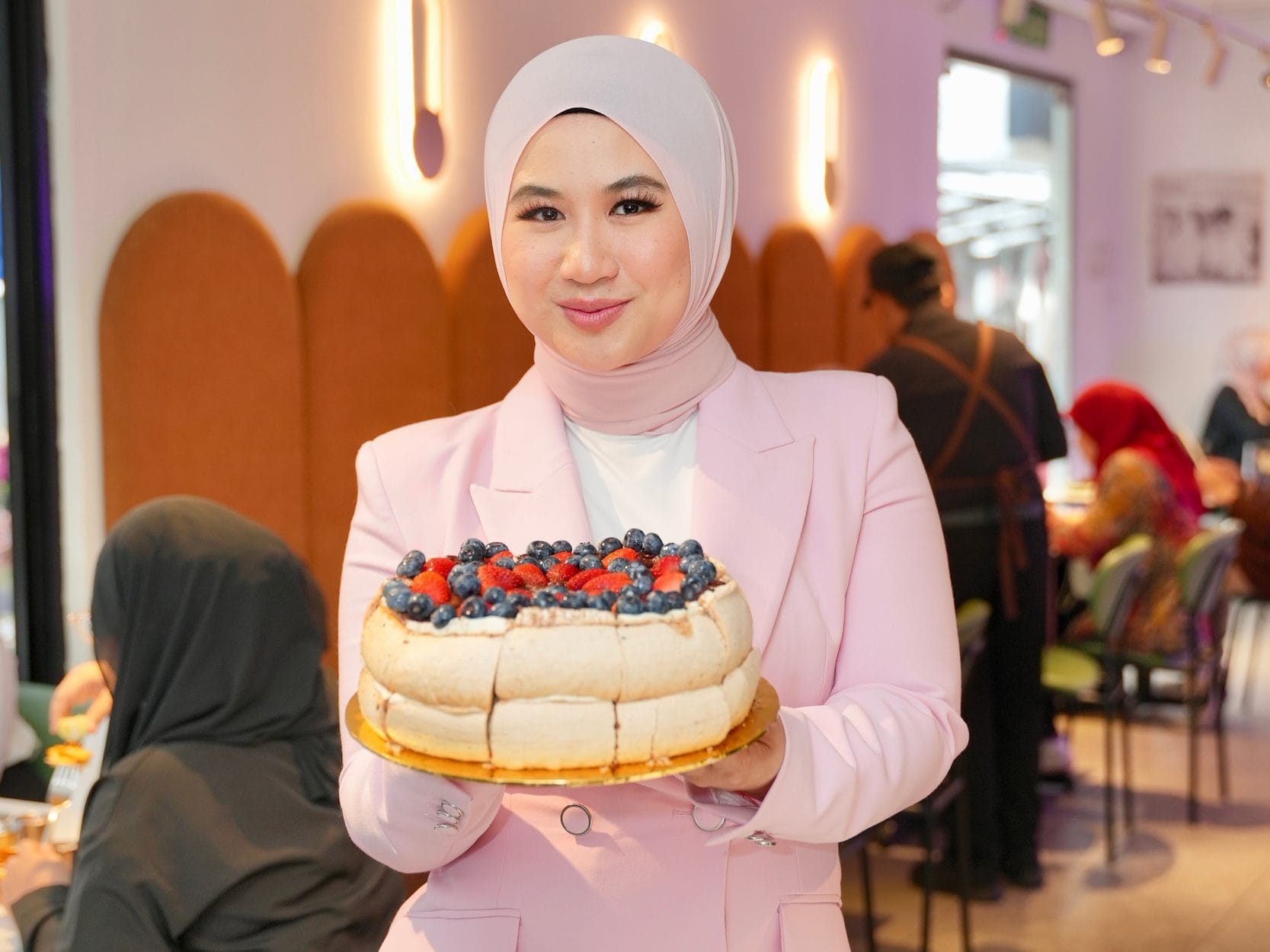
What began in a home kitchen has grown into a Malaysian food and beverage business generating RM45 million in annual sales, but Gula Cakery Group Sdn Bhd founder Nor Arieni Adriena Mohd Ritzal says its expansion was never driven by a race to open the most outlets.
Instead, the Malaysian F&B company has focused on product consistency, financial discipline and ensuring its people and systems are ready before entering a new location.
From selling cakes to friends and family in 2009, Arieni has grown Gula Cakery into a network of 17 outlets across Malaysia, and the company is now targeting year-on-year growth of between 15% and 20% in 2026 as it prepares to move beyond its Klang Valley stronghold.
A Business Built One Cake At A Time
Arieni’s path into entrepreneurship was unconventional. She began her career in early childhood education, where she developed the patience and discipline that would later shape her leadership style.
Her passion for baking started as a teenager using recipes from her grandmother’s book. After undertaking formal culinary and baking courses, she started selling to friends and family, conducting baking classes and participating in bazaars.
“When we first started, there were no established systems or suppliers. We were building everything from the ground up,” Arieni told BusinessToday, while sharing that she handled everything from baking and sourcing ingredients to managing orders, supported closely by her family.
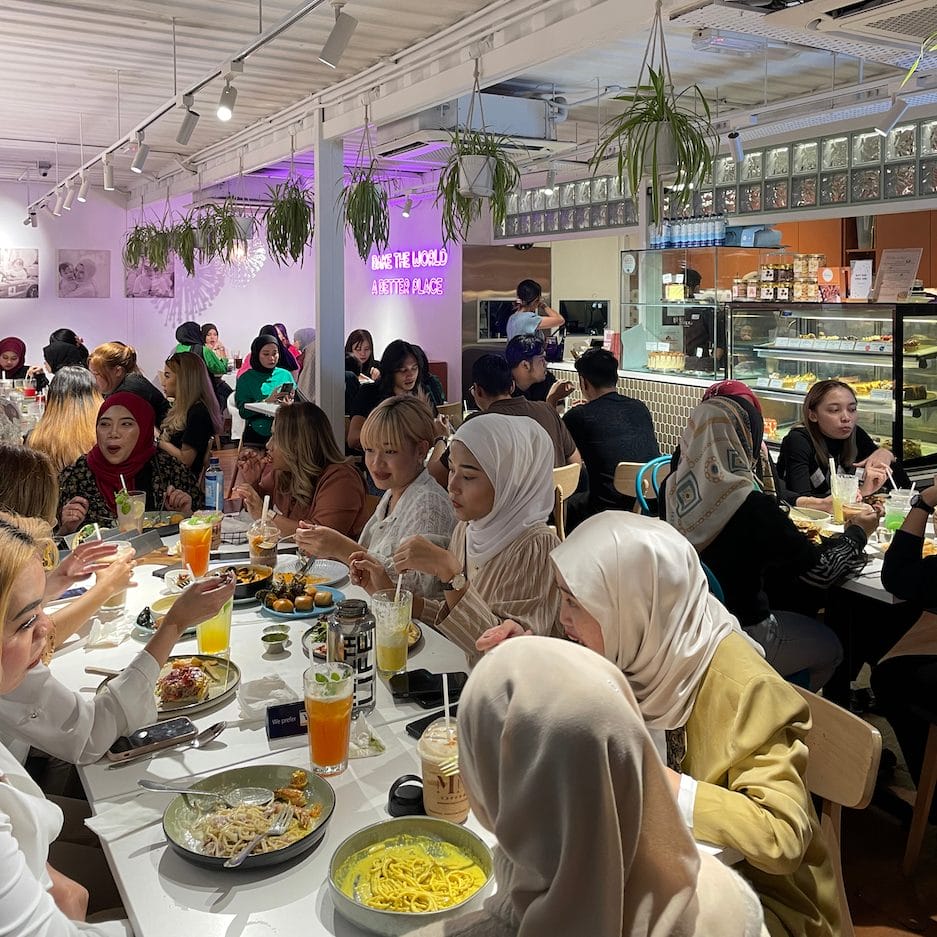
“Gula Cakery wasn’t built overnight. It grew one customer, one cake and one relationship at a time,” she said.
Growth Without Chasing Outlet Numbers
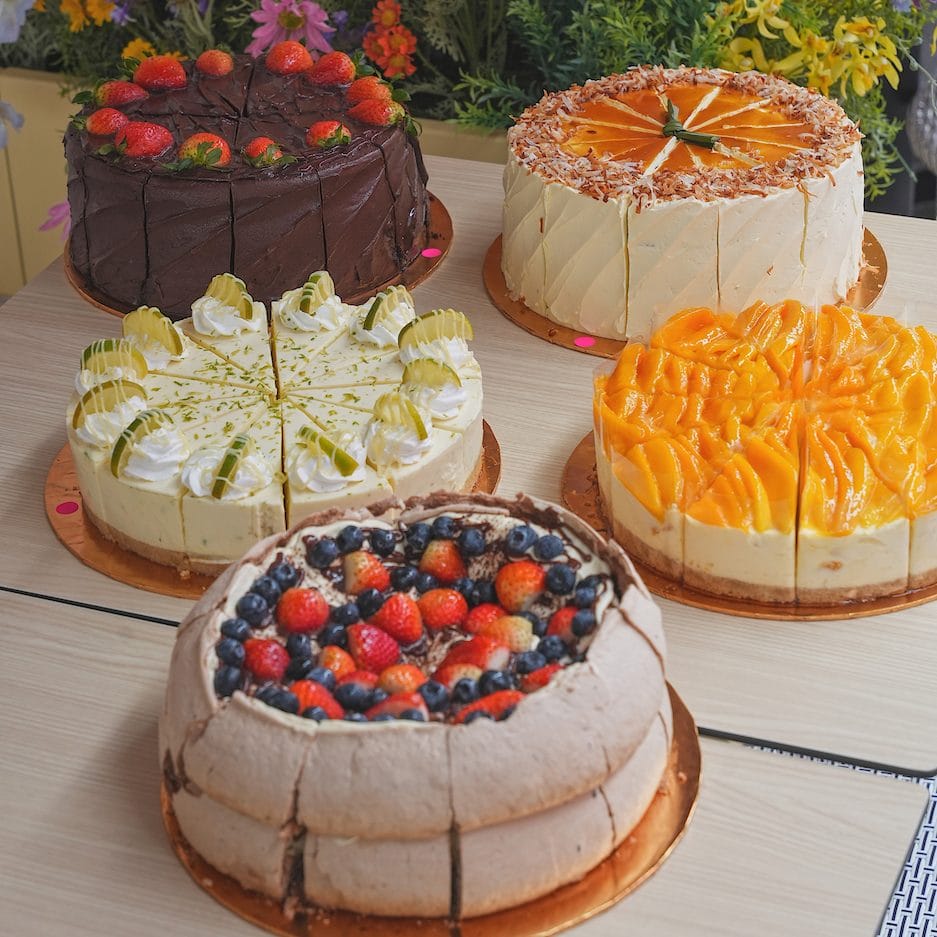
As Gula Cakery expanded, maintaining the same quality, taste and customer experience across every branch became one of its biggest challenges.
The company invested in staff training, standard operating procedures and scalable systems to support growth without diluting the brand.
“One lesson I’ve learned is that every outlet should strengthen the brand, not simply increase the outlet count,” Arieni said, emphasising that sustainable expansion requires the right people, systems and culture to be in place first.
“Looking back, I’d choose measured growth every time,” she said.
New locations are assessed based on customer demand, accessibility, demographics, purchasing power and alignment with the brand. Gula Cakery also considers whether it can become a meaningful part of the surrounding community.
The Economics Behind The Brand
Arieni said approximately RM15.9 million has been invested in building Gula Cakery to its current scale, covering outlets, kitchen facilities, equipment, technology, talent development and operational improvements.
A typical outlet requires between RM500,000 and RM2 million, depending on its size and location. The company targets a break-even period of around 1.5 to 2.5 years, subject to customer traffic and market conditions.
Future expansion is expected to be financed through internal cash flow, bank financing and strategic external investors.
Arieni said the company’s priority is to preserve financial flexibility and grow at a pace that does not compromise product quality or the customer experience.
She highlighted that some of Gula Cakery’s most important investments are not visible at its outlets; it is the investment in a central kitchen and the production equipment and digital systems.
“These have improved product consistency, increased capacity, reduced inefficiencies and allowed the business to support multiple branches more sustainably.
“Investing behind the scenes is just as important as investing in customer-facing experiences because that’s what allows us to maintain quality as we grow,” Arieni explained.
Technology is also being used to study sales data and customer purchasing patterns. As menus vary between outlets, these insights help determine the right mix of cakes, desserts and main dishes for each location.
The information allows Gula Cakery to adjust production, manage inventory more effectively, reduce wastage and refine its menu according to local demand.
Consistency Over Quick Wins
Arieni believes one reason many F&B businesses struggle is the assumption that good food alone is enough.
“Great products may bring customers through the door once, but consistency is what keeps them coming back,” she said.
Rapid expansion can weaken food quality, service and the overall customer experience when an organisation is not operationally prepared. Long-term success, she added, depends on staying true to the brand, listening to customers and continuously improving without losing its identity.
Despite moving into a more strategic leadership role, Arieni remains closely involved in product development and quality control.
“Every recipe carries our brand’s reputation,” she said.
Her responsibilities now include setting the company’s direction, mentoring its leadership team and identifying future growth opportunities, while learning to entrust more of the business to her employees.
Beyond The Klang Valley
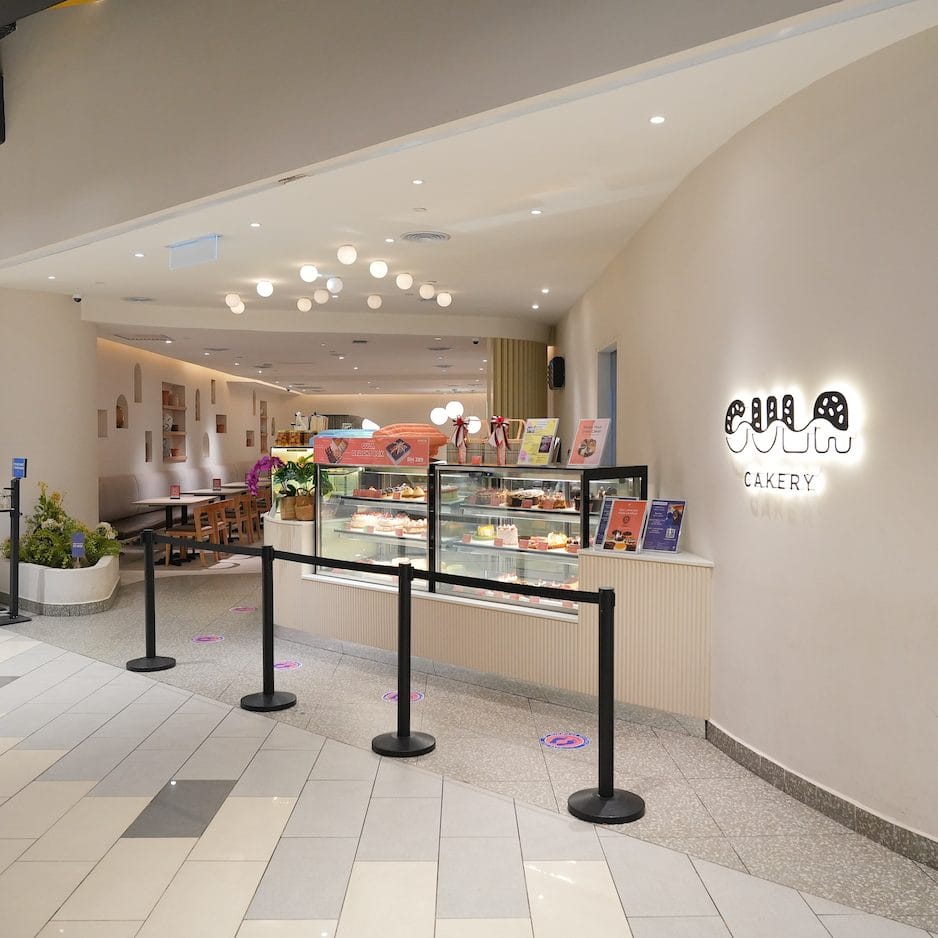
She shared that Gula Cakery’s next phase will focus on carefully selected locations outside the Klang Valley, supported by further investment in people, operations and product development.
Arieni attributed the company’s RM45 million sales in 2025 to consistency rather than quick wins. Its relationship with customers has also been strengthened through baking classes that have taught more than 2,000 students and collaborations with brands including Unifi, Nestum and Sunlight.
For Arieni, success will not be measured simply by the number of new outlets opened; it depends on whether Gula Cakery can continue delivering the same quality, strengthening its team and earning customer trust as it develops from a homegrown bakery into a nationwide Malaysian brand.