



Nearly two-thirds (62.8%) of Malaysian businesses surveyed have experienced operational disruption due to flooring issues, with some reporting repair and rectification costs running into seven figures, according to a new survey by Nippon Paint Malaysia.
The Industrial Flooring Performance & Business Impact Survey, which gathered responses from 129 businesses across manufacturing, logistics, food and beverage processing, healthcare and pharmaceutical, retail and other operational environments, found that flooring problems are having a wider impact on businesses than routine maintenance costs.
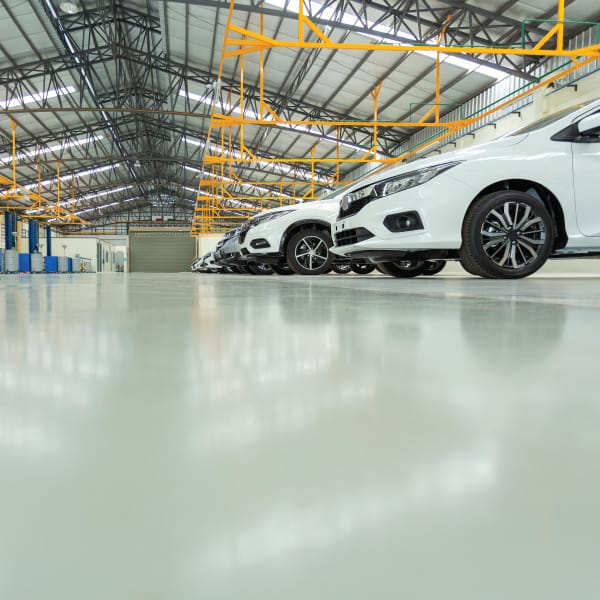
The survey found that 51.2% of respondents had experienced flooring problems recurring after repair or rectification, while 48.9% said they were definitely or likely to carry out a flooring upgrade, replacement or major repair within the next 24 months.
Tay Sze Tuck, General Manager of Nippon Paint Malaysia, said flooring performance is often overlooked as a business continuity issue until failures begin affecting operations.
“Industrial flooring is quite literally the foundation on which many businesses operate, yet its performance is rarely considered from a business continuity perspective until something goes wrong,” said Tay.
“When a floor fails in a production line, warehouse, clean room or food-processing environment, the consequence is not simply the cost of repairing the surface. Businesses may have to stop operations, redirect workflows and manage safety, hygiene or compliance risks. Industrial flooring should therefore be viewed as operational infrastructure, rather than simply a finishing specification.”

Flooring Repairs Can Run Into The Millions
The survey found that 46.5% of respondents had spent more than RM50,000 on direct flooring-related repair or rectification work.
At the higher end, 18.6% reported costs exceeding RM500,000, including 8.5% who said they had spent more than RM1 million.
However, repair bills were only part of the impact. Production efficiency and workflow were the most commonly reported business consequences at 45.0%, followed by cleaning and hygiene management at 41.9%, worker safety at 40.3% and audit and compliance performance at 38.8%.
Downtime was also a significant concern, with 31.0% of respondents reporting significant downtime caused by flooring issues while another 31.8% experienced minor disruption.
The findings suggest businesses may need to look beyond the immediate repair bill when assessing flooring costs, particularly where repeated repairs, downtime and productivity losses are involved.
More Than Half See Problems Return After Repairs
Fixing a flooring issue does not always mean the problem is resolved permanently.
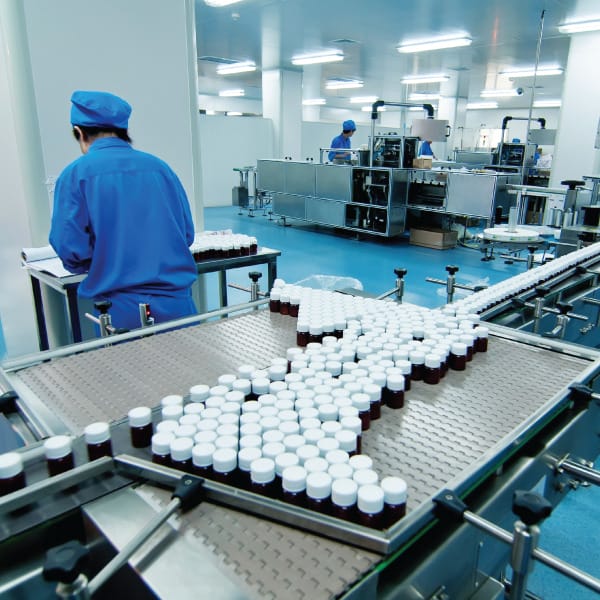
More than half of respondents, or 51.2%, said their flooring problems had returned at least once following repair or rectification. Another 34.1% said their flooring problems required multiple repair attempts.
Some businesses also faced prolonged resolution periods. About 21.7% said their flooring issues remained unresolved, while 20.2% said resolving the problem took five weeks or longer.
“This creates a repair-repeat cycle where organisations can end up spending repeatedly on the same asset while continuing to absorb operational disruption,” Tay said.
“For business leaders, the question should therefore not only be, ‘How much will this repair cost?’ but ‘What is the total cost to the business if the problem happens again?’ A lower upfront cost does not necessarily translate into a lower lifecycle cost if businesses face repeated repairs and disruption.”

Businesses Looking At Flooring Upgrades
The survey also found that 57.3% of respondents believed their flooring issues could definitely or possibly have been reduced or prevented by selecting a more suitable flooring system from the outset.
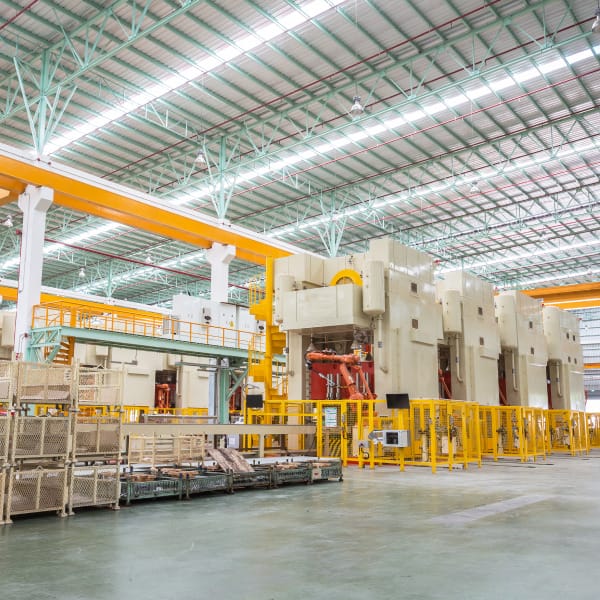
This comes as almost half, or 48.9%, of respondents said they were definitely or likely to undertake a flooring upgrade, replacement or major repair within the next 24 months.
Less downtime during operations was the leading factor businesses said would justify upgrading to a better flooring system, cited by 48.8% of respondents.
Better durability and lifespan and stronger audit and compliance confidence each followed at 46.5%, while improved worker safety was cited by 41.1%. Reduced long-term maintenance costs and better technical guidance and system recommendations were cited by 39.5% and 38.8% respectively.
Tay said the findings highlight the importance of selecting flooring based on the conditions and demands of each facility rather than treating it simply as a finishing component.
“The findings reinforce a simple point: the right flooring decision starts with understanding the environment it needs to perform in,” Tay said. “By matching the flooring system to the operational demands of the facility from the outset, businesses can reduce the risk of recurring failures and the disruption and costs that come with them.”
Nippon Paint Malaysia said its industrial flooring solutions cover different operating requirements across facilities including production, logistics, chemical, automotive, aviation, data centre, electronics, food-processing and cold storage environments.


