


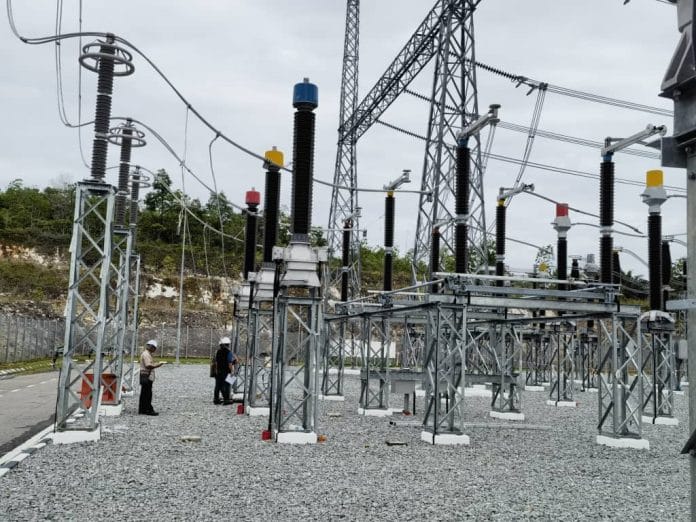
Malaysia remained heavily dependent on non-renewable energy in 2021, with fossil-based sources accounting for 96.2% of total energy derived from natural resources, according to the Department of Statistics Malaysia (DOSM).
DOSM’s Physical Supply and Use Table (PSUT): Energy Account 2021 showed total energy from natural resources at 107,282 kilotonnes of oil equivalent (ktoe), of which 103,170 ktoe came from non-renewable sources and just 4,112 ktoe, or 3.8%, from renewables.
Natural gas dominated the non-renewable mix at 75,820 ktoe, followed by crude oil at 25,389 ktoe and coal and coke at 1,961 ktoe.
Within the renewable energy segment, hydropower was the largest contributor at 2,676 ktoe, accounting for 65.1% of renewable energy.
Biodiesel followed at 1,001 ktoe, or 24.3%, while solar contributed 186 ktoe, biomass 150 ktoe and biogas 99 ktoe.
The figures underline the scale of Malaysia’s transition challenge, with renewables still representing only a small fraction of the country’s natural-resource energy base.
On the consumption side, manufacturing was the largest energy user at 88,103 ktoe, well ahead of services at 49,777 ktoe.
Households consumed 12,700 ktoe, while construction accounted for 1,529 ktoe, mining and quarrying 936 ktoe, and agriculture 738 ktoe.
Exports accounted for 57,555 ktoe of energy use.
DOSM also recorded energy supply from mining and quarrying at 88,973 ktoe, manufacturing at 49,138 ktoe and services at 15,531 ktoe, while imports contributed 53,382 ktoe.
Overall, the PSUT recorded 206,844 ktoe in energy supply and use, highlighting both the scale of Malaysia’s industrial energy demand and its continued reliance on conventional energy sources.
The data also points to manufacturing as a key sector in any future push to improve energy efficiency, while the relatively small renewable share underscores the room for further expansion in hydropower, biodiesel, solar and other cleaner energy sources.


