



Malaysia’s rapidly expanding data centre (DC) pipeline risks becoming a victim of its own success if power, cooling and supporting infrastructure fail to keep pace with increasingly demanding artificial intelligence (AI) workloads, according to Delta Electronics Southeast Asia Business President Jason Yuan.
In an exclusive email interview with BusinessToday, Yuan said Johor is already well positioned as a major DC market, with around 1,110MW of live IT capacity and a development pipeline of about 8,542MW, among the largest in Asia Pacific.
But much of that capacity remains under development, meaning the next challenge is no longer simply attracting or announcing new projects.
“As AI-ready facilities are progressively delivered, the focus will need to shift from announcing capacity to ensuring the underlying power and cooling infrastructure evolves in parallel,” Yuan said.
Success, he added, will increasingly depend on whether the ecosystem can support higher-density AI workloads without compromising efficiency, reliability or long-term resilience.
Power Is Emerging As The Critical Bottleneck
However, Yuan pointed out that power availability is becoming one of the most pressing constraints facing DC operators as demand expands faster than grid infrastructure can respond.
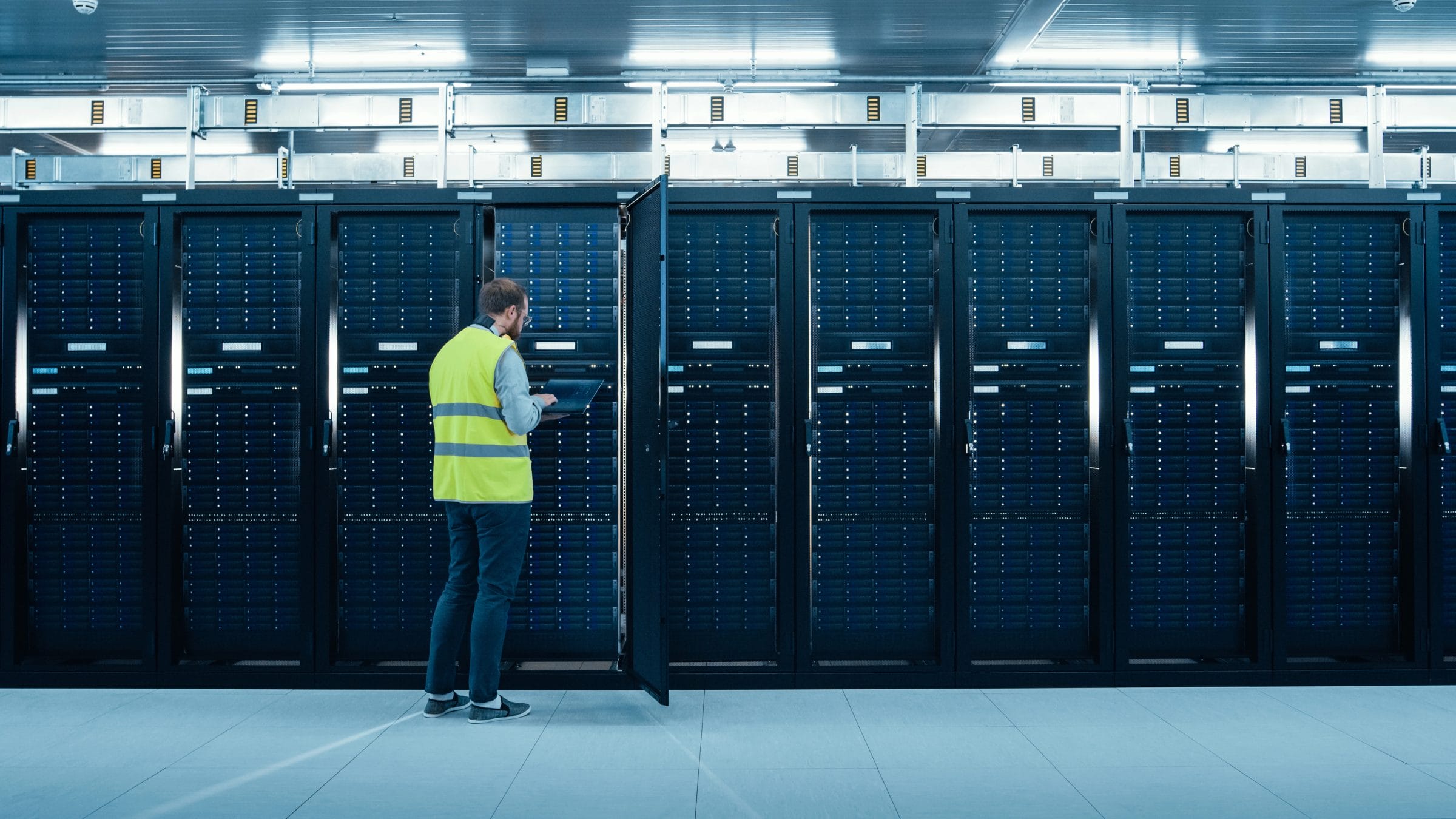
“Power is the constraint everyone points to, and grid connection and transmission timelines rarely move at the pace of DC demand,” Yuan said.
But he argued that simply waiting for additional grid capacity is not a viable strategy.
“Instead, operators need to extract more value from every available megawatt through more efficient power architectures, while diversifying their energy sources through technologies including on-site generation, energy storage and fuel cells,” he highlighted.
For Yuan, power must increasingly be viewed not merely as a resource to secure, but as a system that needs to be continuously optimised.
A more efficient and integrated power strategy, he said, can improve resilience while also reducing long-term operating costs, an increasingly important consideration as AI computing drives up electricity demand.
AI Changes The Infrastructure Equation
The danger for operators, according to Yuan, is building facilities around headline capacity numbers rather than the actual operating requirements of AI.
“AI infrastructure is evolving quickly, and facilities designed only around current rack densities could require costly upgrades much sooner than anticipated.
“Building scalability into the architecture from the outset is generally more efficient than retrofitting critical infrastructure later,” he said.
The pressure is particularly acute because modern AI racks can exceed 100kW, simultaneously placing much heavier demands on electricity supply, cooling and infrastructure management.

That makes the traditional practice of designing power, cooling and building systems separately increasingly unsuitable.
At those densities, Yuan said, decisions affecting one part of the infrastructure directly influence the others.
“Higher computing density means not only greater electrical demand, but also significantly greater heat generation and cooling requirements.
“Planning these elements as a single architecture can therefore improve efficiency, reliability and scalability, while treating them as independent systems can result in stranded capacity, higher energy consumption, operational complexity and expensive retrofits,” Yuan highlighted.
Liquid Cooling Moves To The Forefront
Malaysia’s tropical climate adds another layer of difficulty.
Yuan expects cooling to become one of the key differentiators among AI DCs operating in the country because the climate limits the effectiveness of traditional free-cooling methods available in colder markets.
That is putting greater emphasis on liquid cooling.
By removing heat directly from high-performance processors, liquid cooling can support much higher rack densities while using less energy than conventional air-based cooling systems, Yuan said.
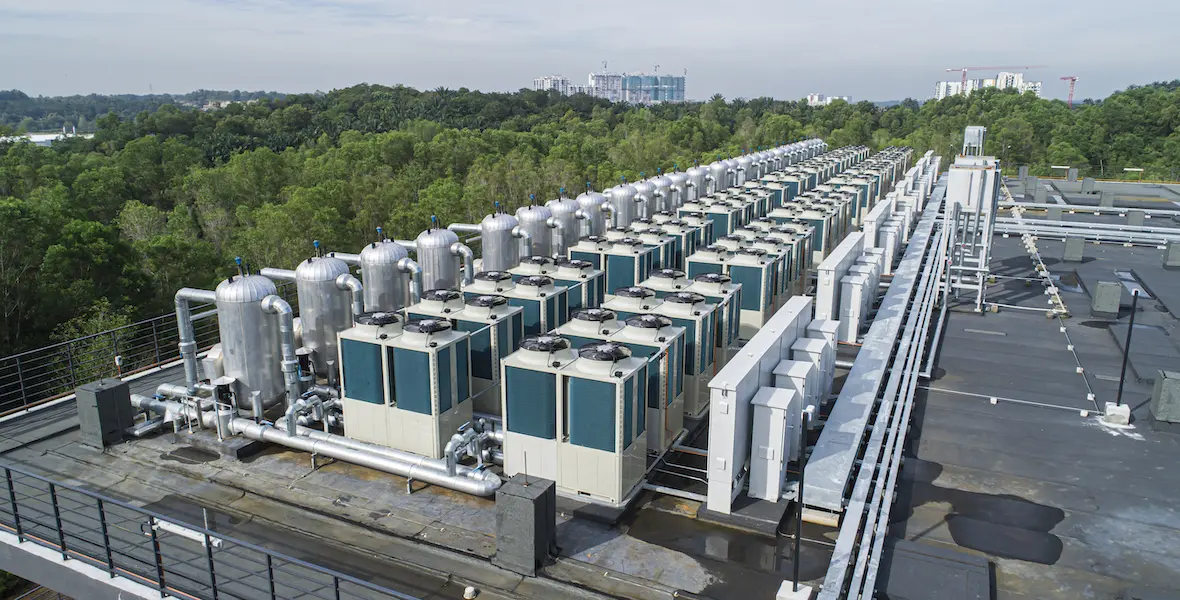
“When built into the facility from the beginning, the technology can also help lower power usage effectiveness and improve overall energy efficiency,” Yuan added, but he cautioned against viewing liquid cooling as a standalone solution.
“The biggest efficiency gains come from designing the entire power and cooling architecture around the workload,” he said.
Integrating cooling with power distribution, controls and building management systems can help operators improve performance and reliability while reducing the risk of expensive infrastructure retrofits later.
Capacity Growth Cannot Come At The Expense Of Stability
Rapid expansion can also carry operational risks.
Yuan said one of the clearest warning signs is when energy efficiency starts deteriorating as new capacity comes online.
If energy consumption rises disproportionately or if operators repeatedly need to upgrade power and cooling systems just to accommodate greater rack density, it may indicate that infrastructure was designed around immediate requirements rather than future AI demand.
Another red flag is when power or thermal systems consistently operate close to their limits, leaving little headroom for further expansion and increasing the risk of downtime.
“Companies should be careful not to measure success solely by how much capacity they add. Expanding quickly is important, but so is ensuring that new capacity remains efficient, reliable and scalable over the long term,” Yuan said.
Automation will consequently become more important as DC environments become larger and more complex.
According to Yuan, integrating power, cooling and facility systems onto a single platform gives operators real-time visibility across their operations, allowing them to identify problems earlier, optimise energy consumption, reduce unnecessary maintenance and act before issues turn into costly disruptions.
Malaysia Must Capture More Than Investment
For Malaysia, however, the bigger opportunity goes well beyond hosting more DCs.
Yuan said the country already has many of the ingredients required to emerge as a regional AI and DC hub, including a strong manufacturing base, a mature electronics ecosystem, supportive policies and strategic connectivity within Southeast Asia.
Together with the Johor-Singapore Special Economic Zone, those strengths could allow Malaysia to take a much larger role in the regional AI value chain.
As AI adoption accelerates, Yuan expects growing demand not only for DC space, but also for advanced power infrastructure, cooling technologies, automation and digital infrastructure.
Developing local capabilities in those areas could enable Malaysia to capture more economic value while creating higher-skilled employment and strengthening its position in the regional AI ecosystem.
But the expansion of DC alone will not be enough.
“What could derail that ambition is failing to build the ecosystem alongside the investment,” Yuan said.
Long-term success, he said, will depend on whether Malaysia can simultaneously develop skilled talent, strengthen domestic supply chains and ensure critical supporting infrastructure keeps pace with investment.
If those pieces come together, Yuan believes Malaysia has an opportunity to move beyond being merely a destination for DC capital and establish itself as a regional leader in AI infrastructure.


