


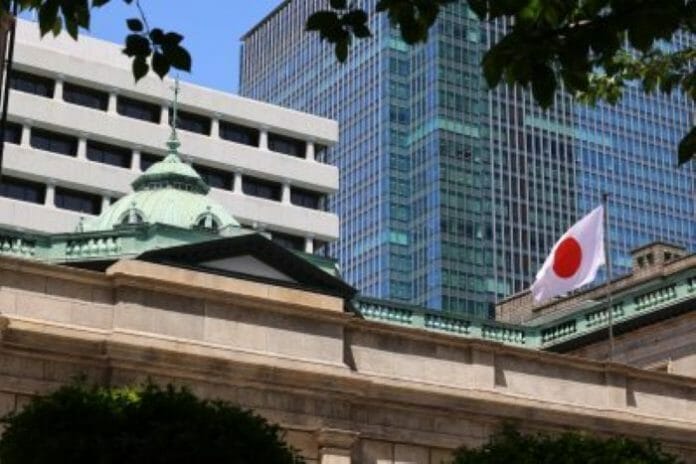
The Bank of Japan (BOJ) raised its policy rate by 25 basis points to 1.25% on Friday, taking borrowing costs to their highest level since 1995 as the central bank warned of risks to prices and the economy.
The decision was approved by a 7-2 vote, with board members Toichiro Asada and Ayano Sato dissenting.
The BOJ said underlying inflation was approaching its 2% target while financial conditions remained accommodative. It also said it must remain vigilant to risks from developments in the Middle East, artificial intelligence demand and foreign exchange volatility.
The hike came after Japan’s core consumer inflation rose 1.7% year-on-year in August, while an index excluding fresh food and fuel increased 1.9%. Although headline core inflation remained below the BOJ’s target for an eighth consecutive month, higher fuel costs and import prices linked to the weaker yen have added to price pressures.
The latest increase marks another step away from decades of ultra-low interest rates and follows the BOJ’s decision to hold rates at 1% in July.
The yen had weakened to around 156.23 per US dollar ahead of Friday’s decision, while Japan’s Nikkei was 0.9% higher.
Markets will now focus on BOJ Governor Kazuo Ueda’s press conference at around 3:30pm for clues on the timing and pace of further rate increases.
The BOJ’s estimated neutral rate range of 1.1% to 2.5% means the latest move brings its policy rate further into territory where future increases could have a more direct impact on economic activity.


