



Pakatan Harapan’s (PH) coming battle in Melaka will test whether its heavy losses in the Johor and Negeri Sembilan state elections were isolated setbacks or the emergence of a broader electoral pattern, political analyst Dr Ahmad Zaharuddin Sani told BusinessToday.
Dr Ahmad Zaharuddin highlighted that PH enters the Melaka contest after winning just eight of 56 seats in Johor in July, where Barisan Nasional (BN) captured 48, before securing 11 of 36 seats in Negeri Sembilan in August against BN’s 18 and Perikatan Nasional’s seven.
That follows PH’s performance in the 2021 Melaka state election, when it won five of 28 seats compared with BN’s 21 and PN’s two.
“PH does not enter the next Melaka state election with the luxury of pretending that Johor and Negeri Sembilan never happened,” Dr Ahmad Zaharuddin said.
The more important question, he argued, is whether PH has merely lost elections or has begun losing touch with the voters it needs to win.
PH Needs To Expand Beyond Traditional Strongholds
Dr Ahmad Zaharuddin said PH cannot afford to approach Melaka by simply defending its traditional bases and hoping support elsewhere will eventually follow.

Instead, he emphasised that the coalition needs to broaden its appeal, particularly in Malay and mixed constituencies where converting voter support into seats has remained challenging.
“But that cannot be achieved merely by fielding a well-known candidate or repeating a national reform message.
“It requires local credibility,” he said.
For state elections, he shared that voters often judge candidates through their presence and performance in the constituency and whether they respond to local concerns and remain visible beyond the campaign period.
“The candidate therefore cannot merely be the face of the party. The candidate must be the face of the constituency,” he said.
Being In Putrajaya Changes The Equation
However, Dr Ahmad Zaharuddin also pointed out that PH also enters Melaka from a different position than when it was solely an Opposition force.
As part of the federal government, he said the coalition can point to national policies, federal development initiatives and its administrative experience.
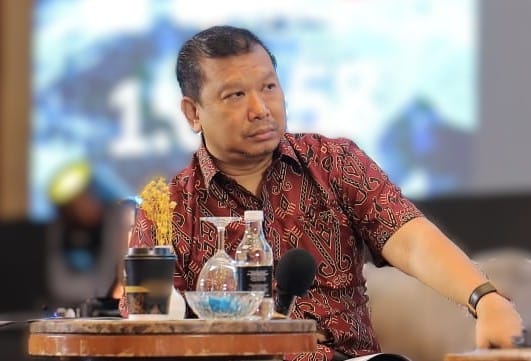
But incumbency also changes what voters can reasonably demand from PH.
“You are in Putrajaya. So what has changed for us?” he said, describing the question PH must be prepared to answer.
The response, he argued, cannot rest on national political messaging alone.
Instead, he said PH needs a distinctly Melaka-focused proposition centred on issues such as jobs, investment, tourism, transport, housing, education, the digital economy, cost of living and local government.
“The issues may sound ordinary. But elections are often won on ordinary things,” he shared.
Opposition Votes Are Not Automatically PH Votes
Another risk, according to Dr Ahmad Zaharuddin, is assuming voters opposed to BN will automatically consolidate behind PH.
“Three-cornered contests, candidate popularity, turnout, tactical voting and any political cooperation could all alter constituency-level calculations.
“That means PH should focus less on how many seats it hopes to contest and more on which constituencies it can realistically make competitive,” he said, adding that this requires ruthless political arithmetic.
Yet electoral arithmetic alone would not address what he described as a deeper psychological challenge.
Dr Ahmad Zaharuddin highlighted that voters are becoming less attached to political brands and may make different choices at federal, state and constituency level.
“The old assumption that a voter ‘belongs’ to a party is becoming increasingly dangerous,” he said.
Can PH Persuade Voters To Return?
For Dr Ahmad Zaharuddin, that makes Melaka a particularly revealing contest for PH.
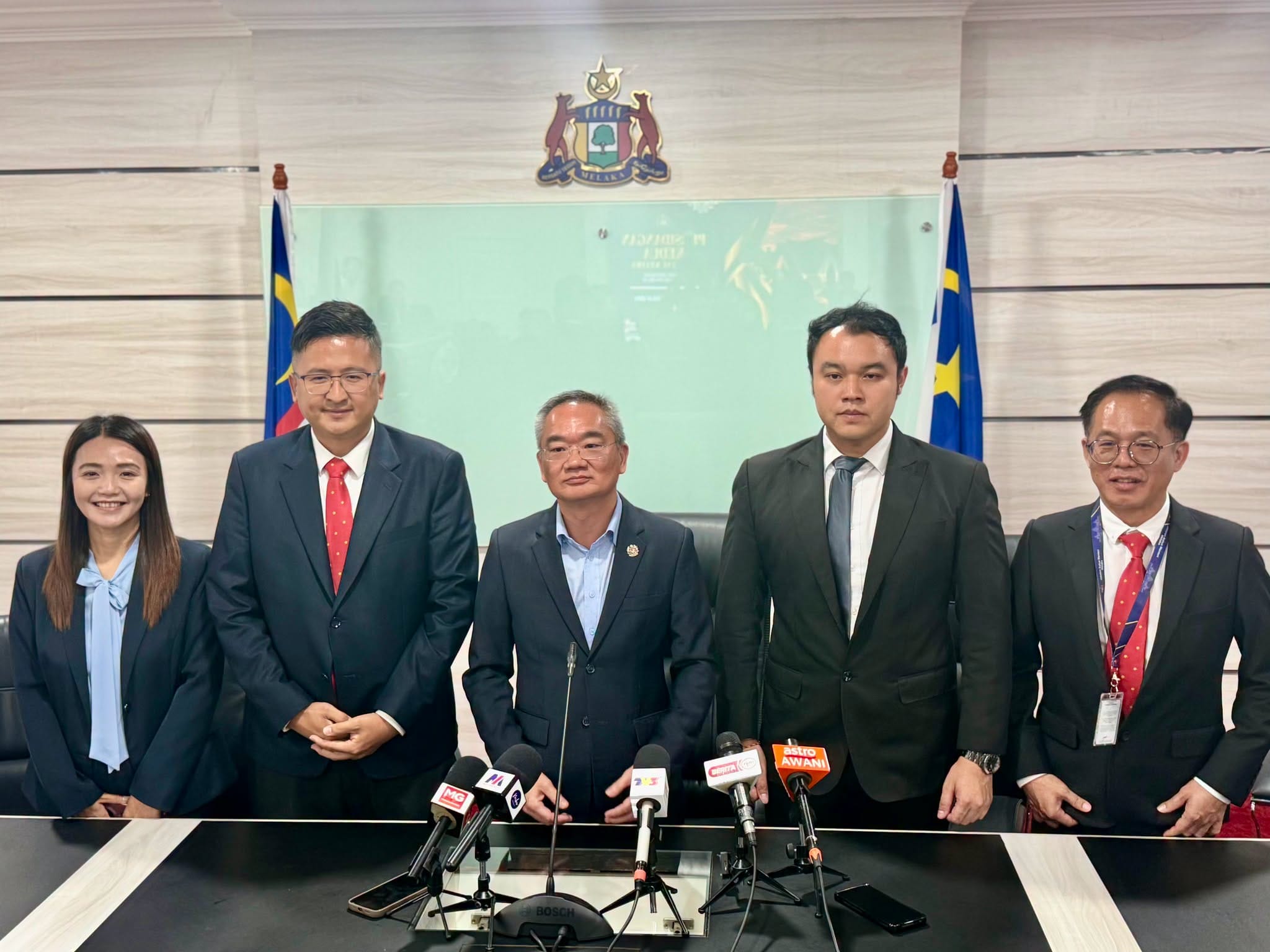
Simply recovering or defending the five seats it won in 2021 would amount to playing defence, he said. Instead, expanding beyond that would require convincing voters who previously rejected PH to reconsider the coalition.
The critical question, therefore, is not merely how PH can stop losing seats.
It is: “Why should voters who left us come back?”
Dr Ahmad Zaharuddin said that answer cannot be manufactured in the final weeks of campaigning, but must instead be built constituency by constituency and candidate by candidate.
“In Melaka, PH is not merely fighting for additional seats; it is fighting to prove that Johor and Negeri Sembilan were setbacks, not a new political pattern,” he emphasised.
Meanwhile, the Election Commission (EC) will meet on Oct 7 to determine key dates and preparations for the Melaka state election following the dissolution of the state assembly on Sept 23.
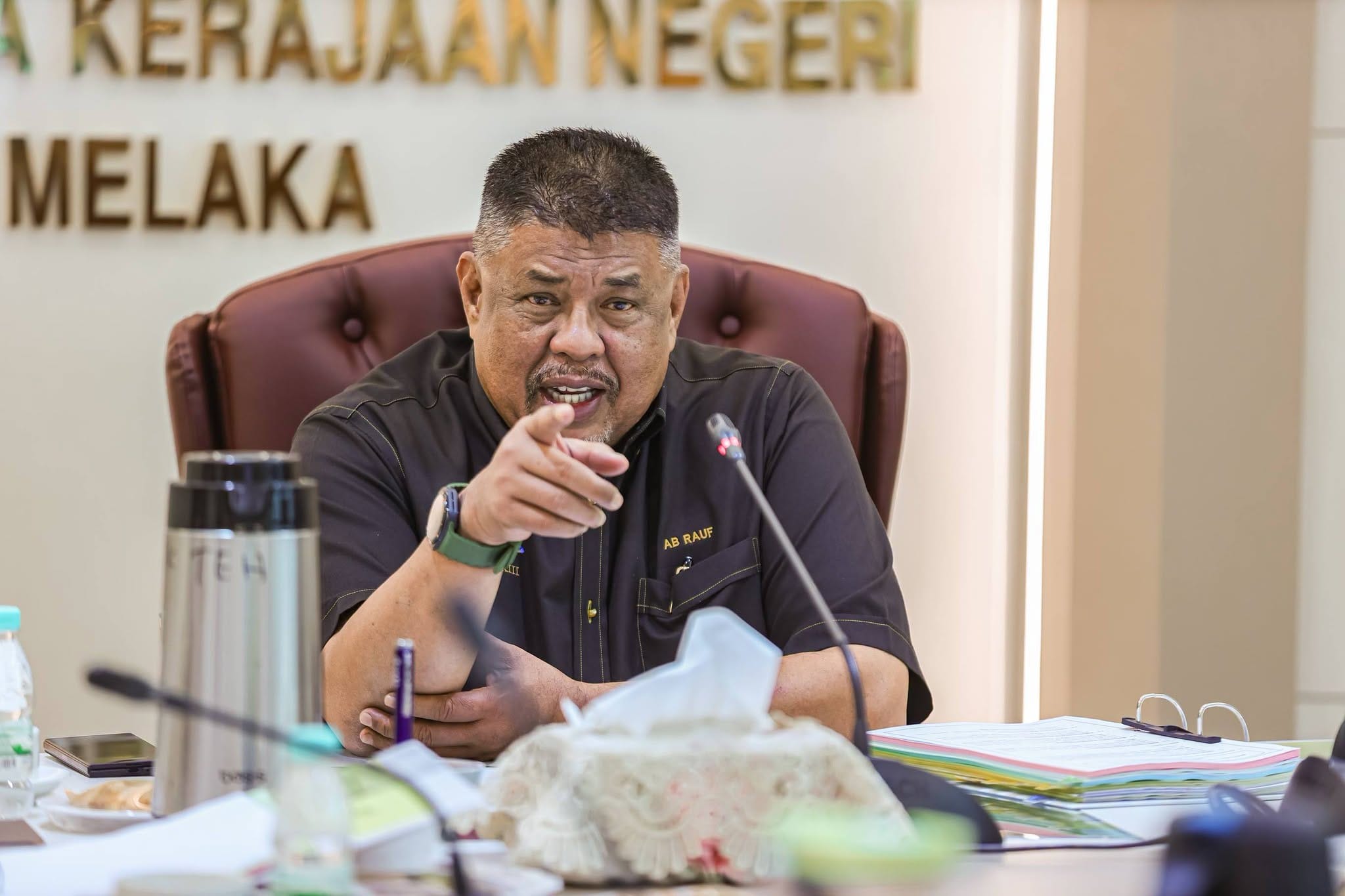
Chief Minister Datuk Seri Ab Rauf Yusoh had announced the dissolution a day earlier after receiving the consent of Melaka Governor Tun Mohd Ali Rustam.
The meeting, to be chaired by EC chairman Datuk Seri Ramlan Harun, will discuss the election writ, nomination day, polling day, the electoral roll and other preparations.


