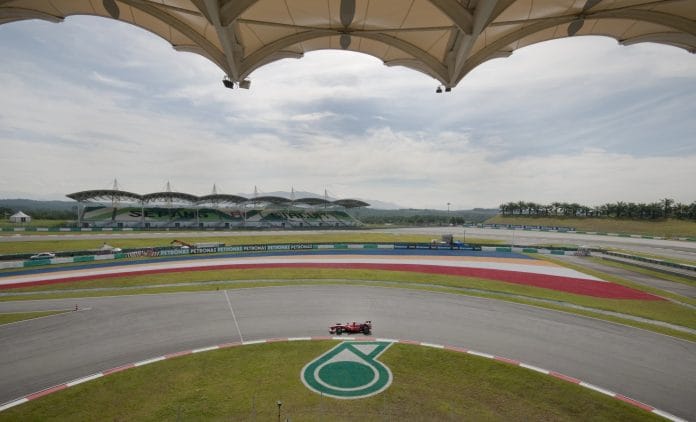
Formula 1’s return to Sepang after a nine-year absence is set to produce one of the more unpredictable races of the 2026 season, with championship leader Kimi Antonelli looking to rebuild his advantage over Mercedes team-mate George Russell.
The circuit is hosting the relocated Bahrain Grand Prix from Oct 2 to 4, with Sunday’s race scheduled over 56 laps.
Rather than trying to predict who will win, here are seven storylines that could shape the outcome when the lights go out.
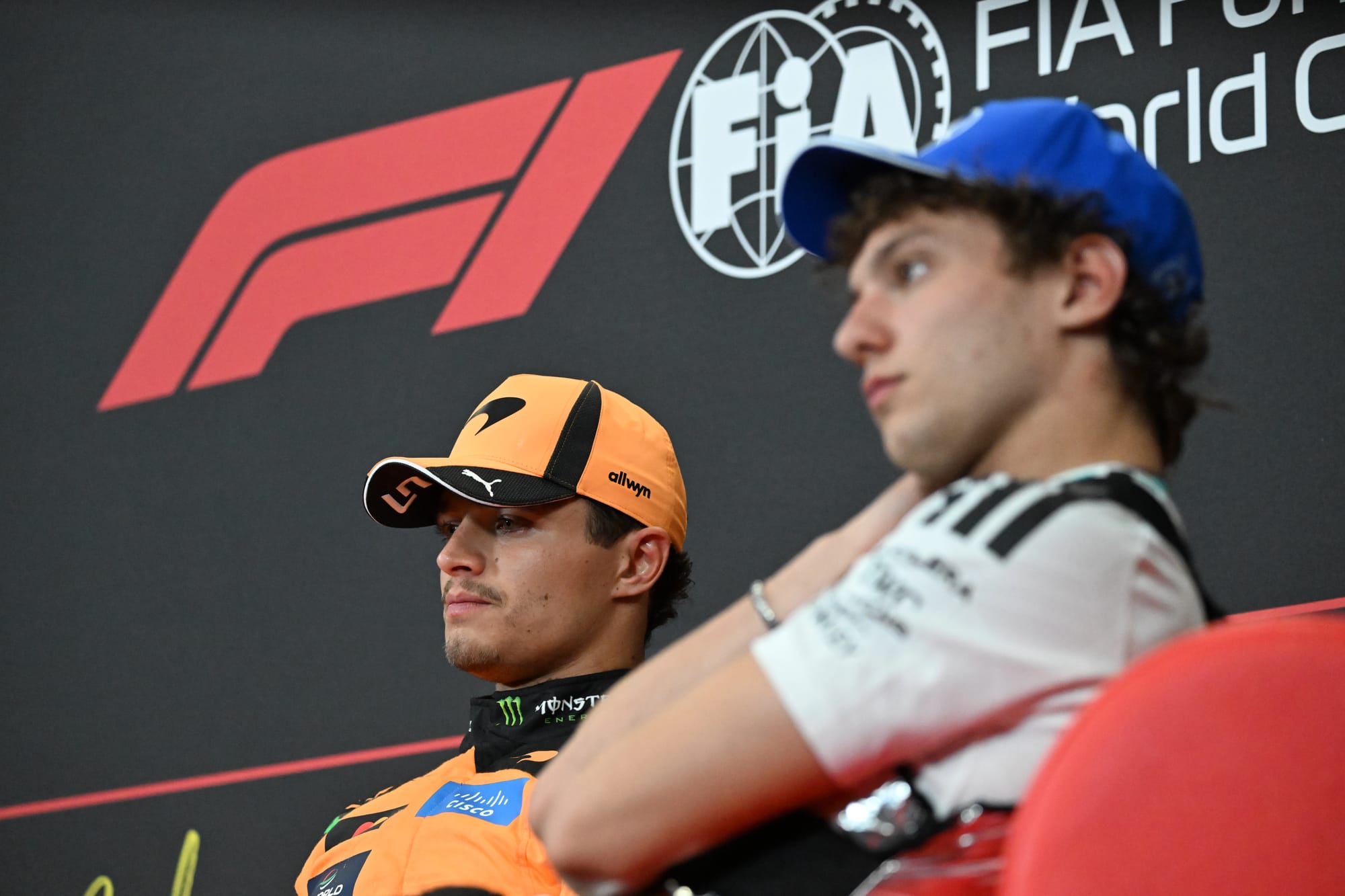
1. How Quickly Will The Newcomers Learn Sepang?
More than half the grid has never raced a Formula 1 car at Sepang. Only 10 of the 22 drivers have previous experience at the circuit, leaving championship leader Kimi Antonelli and several other drivers to learn one of F1’s most demanding layouts during the weekend itself.
Sepang is not a circuit that can be mastered simply by memorising braking points. Its long, flowing corners require drivers to build confidence progressively, while the opening complex and final corner place a premium on braking stability, traction and exit speed.
Friday practice will therefore be crucial as teams establish how the current-generation cars respond to the circuit’s surface, kerbs and high-speed sections.
Drivers with previous experience may have an early advantage, but nine years away means even the veterans cannot simply rely on old reference points.
2. Will Tyre Degradation Dictate The Strategy?
Tyre management could be one of the biggest performance factors at Sepang.
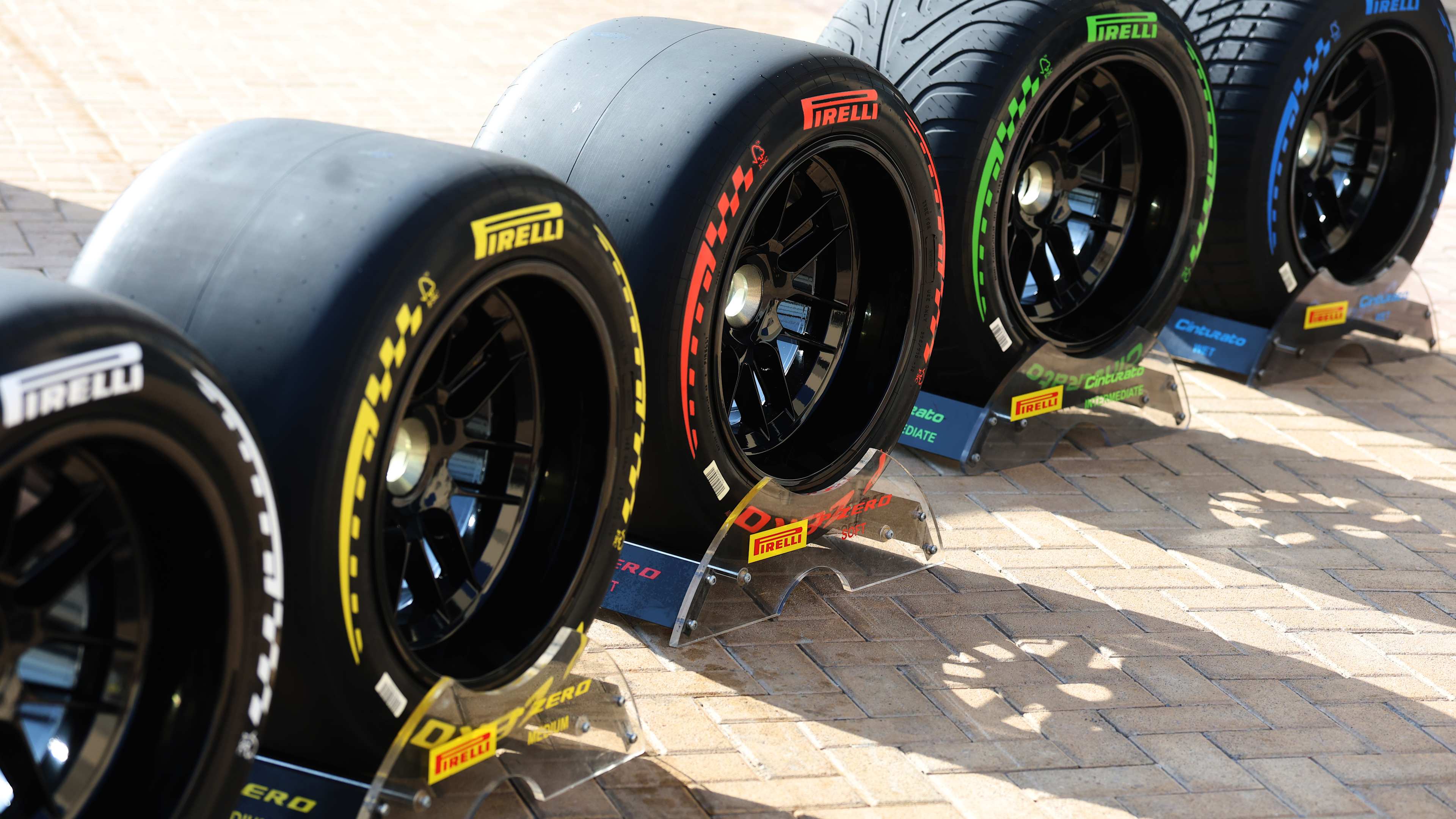
Pirelli describes the circuit as relatively abrasive, with conditions expected to place significant thermal stress on the tyres. Grip is also likely to improve as rubber is laid down over the weekend.
The combination of high-speed corners, heavy braking zones and long acceleration periods puts sustained loads through the tyres, particularly in the fast and sweeping middle sector.
The strategic question will be whether teams can manage degradation well enough to make a one-stop strategy viable or whether tyre wear forces more aggressive two-stop plans.
A car that looks quick over one lap may not necessarily be the strongest over a full stint. Drivers who slide through the long corners or overheat their tyres early could pay for it several laps later.

3. How Much Will The Heat And Humidity Matter?
Sepang’s tropical climate creates a physical challenge unlike most circuits on the calendar.
High temperatures and humidity increase the demands on drivers while making it harder for teams to manage tyre temperatures and car cooling.
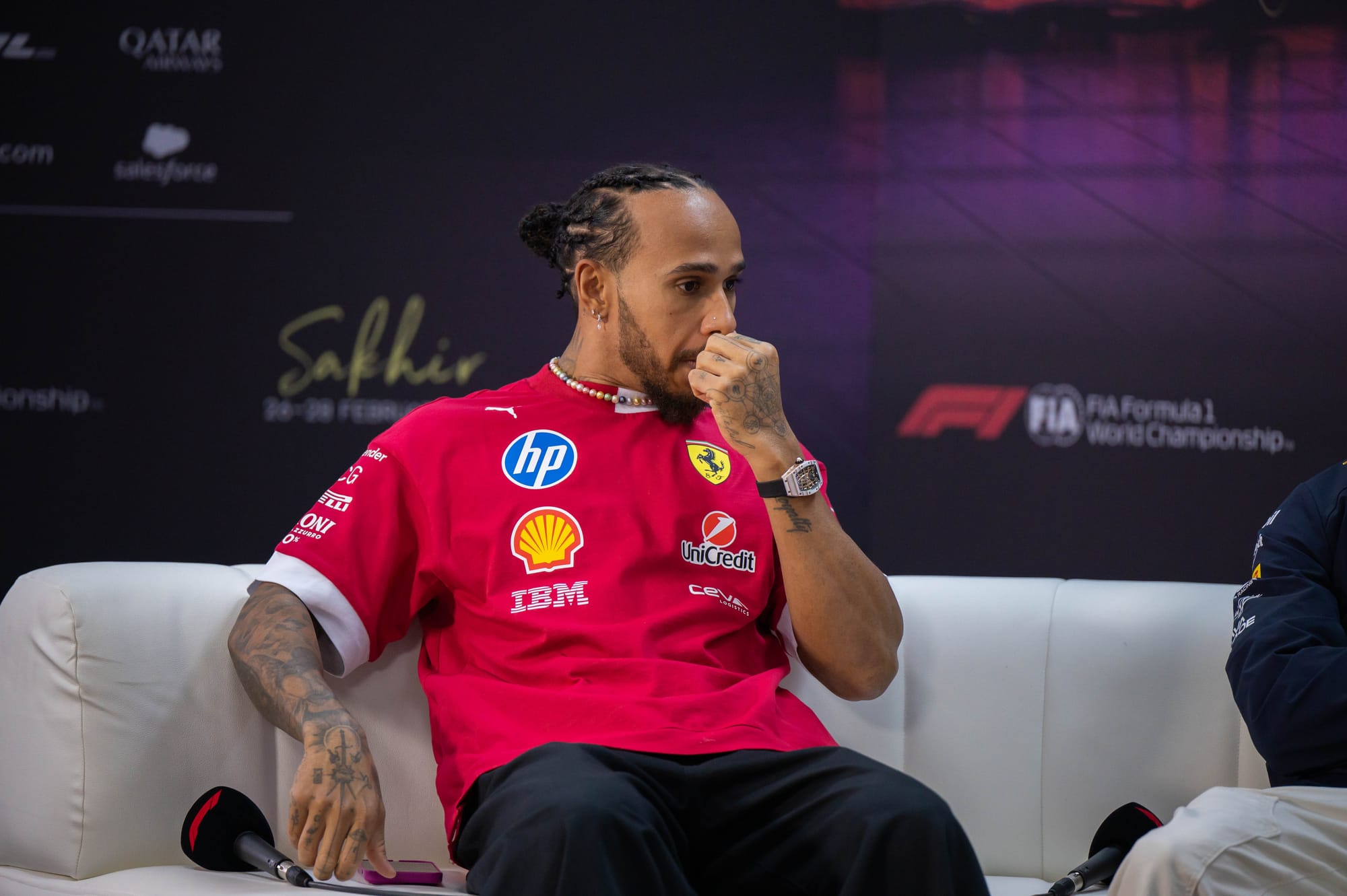
Fernando Alonso has compared the conditions to Singapore’s heat and humidity, although Sepang adds the challenge of racing at high speeds around a much faster circuit. Lewis Hamilton has also warned that the event will be physically demanding.
The heat could affect more than driver endurance. Teams must balance aerodynamic performance against cooling requirements, while drivers need to avoid overheating their tyres during extended high-speed runs.
A driver who remains composed late in the race could gain an advantage over rivals who have struggled to preserve their tyres or physical energy.
4. What Happens If The Rain Arrives?
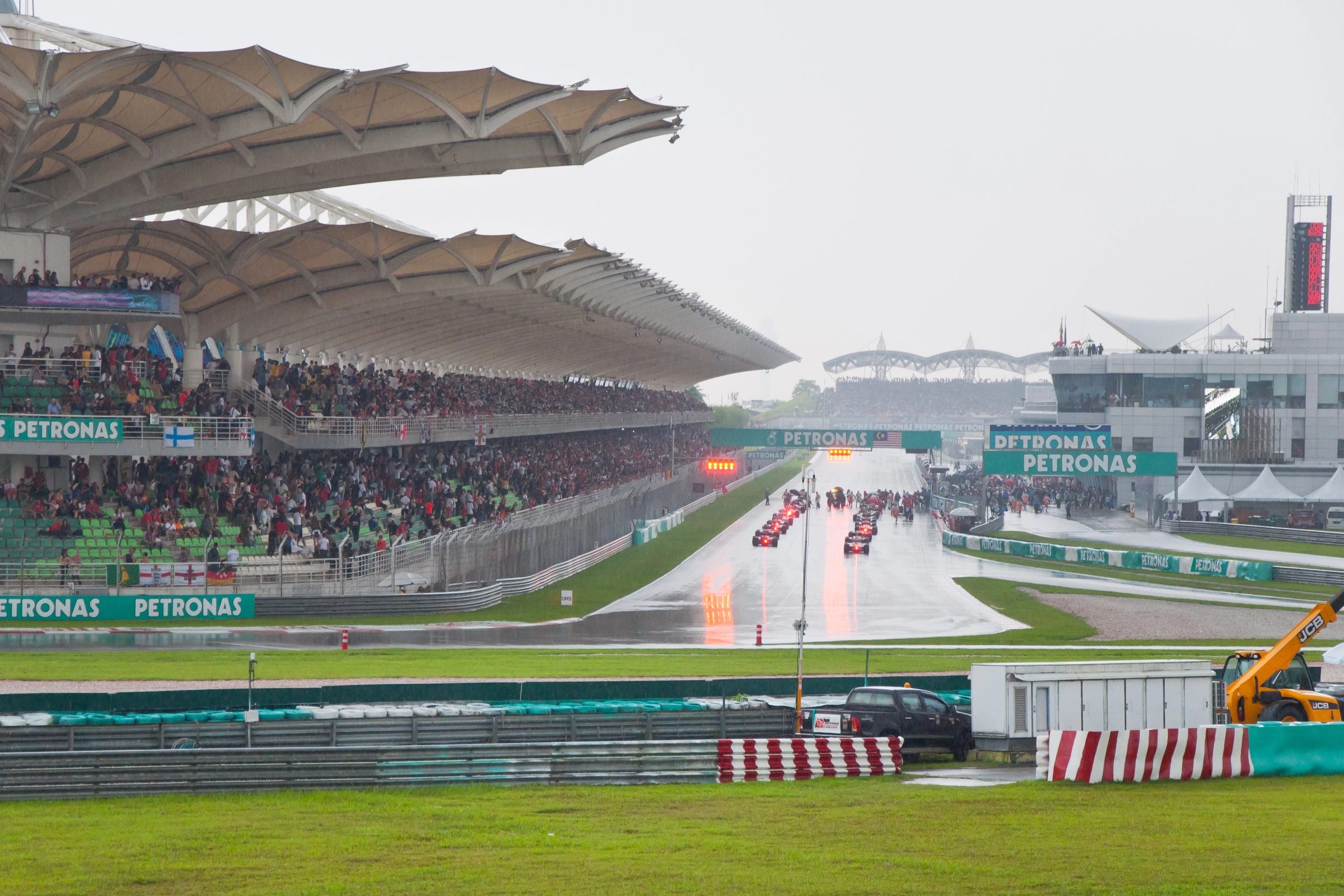
Sepang’s weather has always been one of its defining features, but the important question is not simply whether it will rain.
It is when the rain arrives, how heavily it falls and whether teams can react quickly enough.
A shower during qualifying could disrupt the competitive order, while a sudden downpour during the race could create a narrow crossover window between slick, intermediate and full wet tyres.
The circuit can dry quickly in places, but standing water may remain elsewhere. Switching tyres too early could cost valuable time if the track is still too wet, while waiting too long could result in a major loss of pace or an incident.
After a largely dry 2026 season so far, a wet session or race would add another layer of uncertainty to an already unfamiliar weekend.
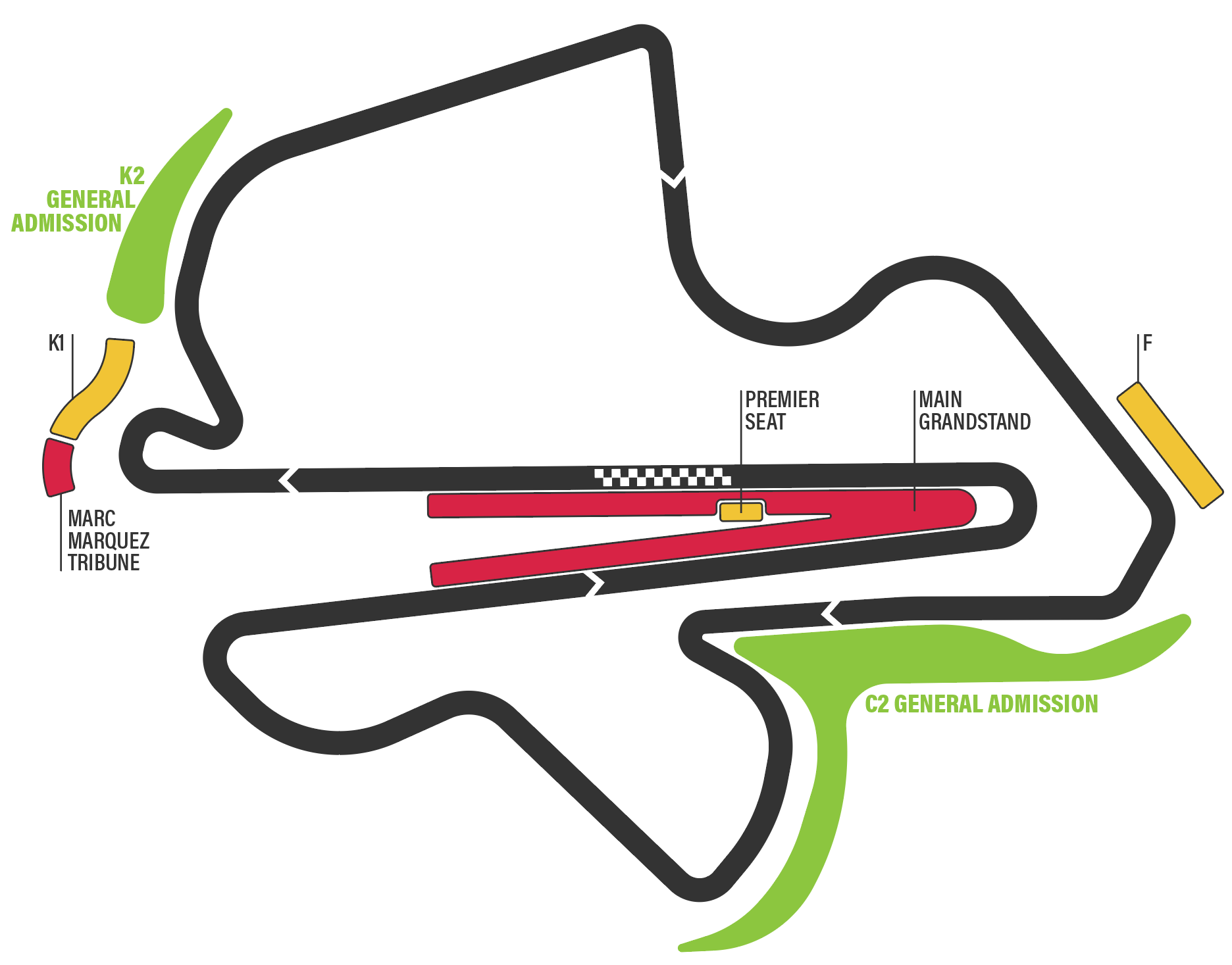
5. Will The Long Straights Create Overtaking Opportunities?
Sepang’s long straights and heavy braking zones should provide opportunities for overtaking, with straight-line speed, DRS and energy deployment likely to play an important role.
The final corner is particularly important because it leads onto the main straight and provides an overtaking opportunity into Turn 1.
That creates a familiar compromise for teams. More rear-wing downforce can improve performance through the high-speed corners but leave a car vulnerable on the straights. Less downforce improves top speed but can make the car harder to control through the sweeping sections.
A driver who qualifies ahead may therefore struggle to defend if the car lacks straight-line speed, while a car that is fast on the straights could struggle to generate enough tyre life through the corners.
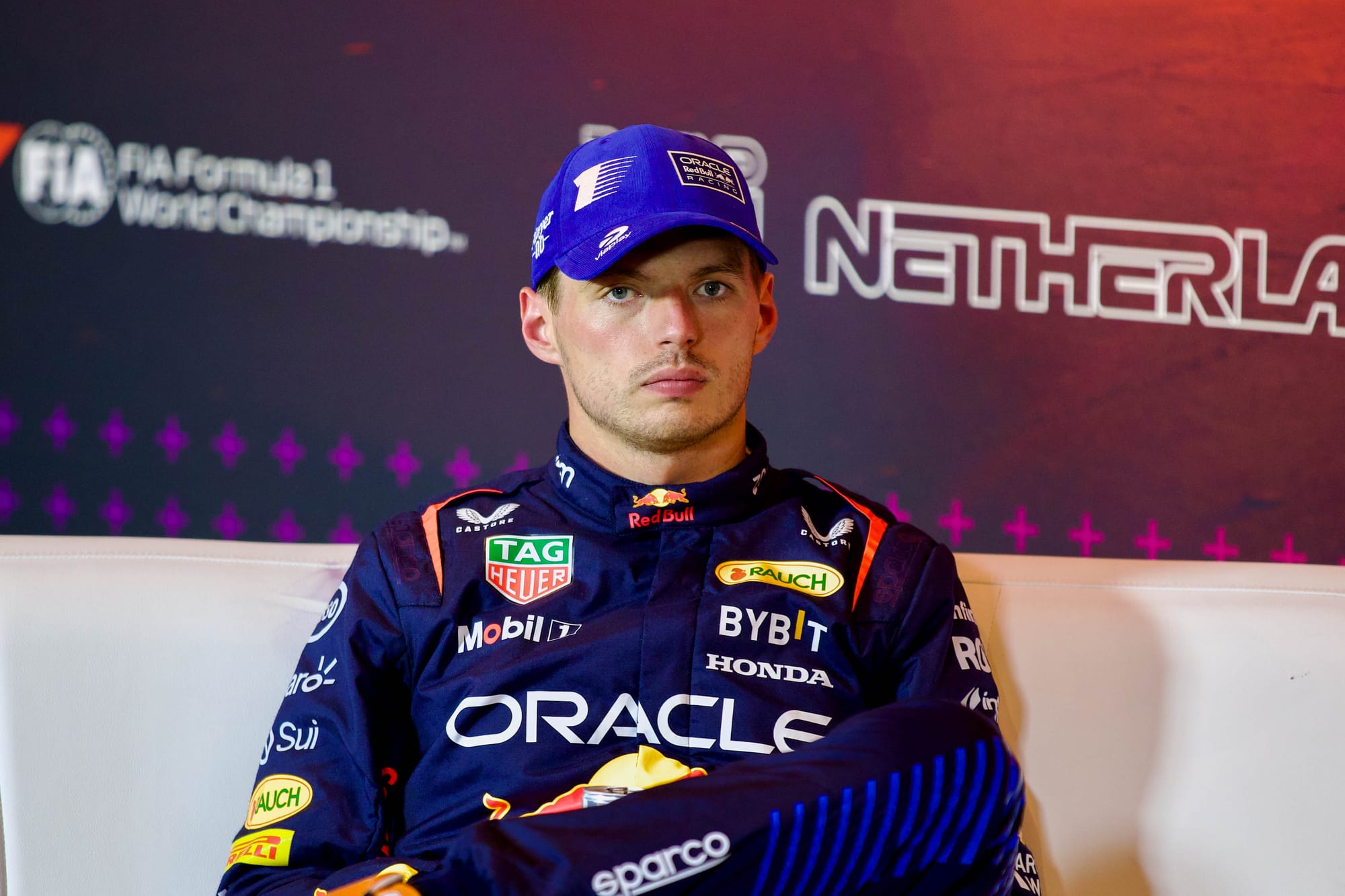
6. Can The Old Guard Exploit Its Sepang Experience?
Fernando Alonso, Lewis Hamilton, Max Verstappen and several other experienced drivers are among the few current competitors with previous F1 race experience at Sepang.
Alonso has won there three times, while Hamilton and Verstappen are also past winners. Hamilton shares the record for the most Sepang pole positions with five, while Verstappen won the circuit’s most recent F1 race in 2017.
Their experience does not guarantee success. The cars, tyres and power units have changed significantly since the last race, while the event is taking place at a different point in the year.
However, experience could still prove useful in the details, from understanding how the track evolves to identifying the best lines in changing conditions and judging how aggressively to attack the kerbs and braking zones.
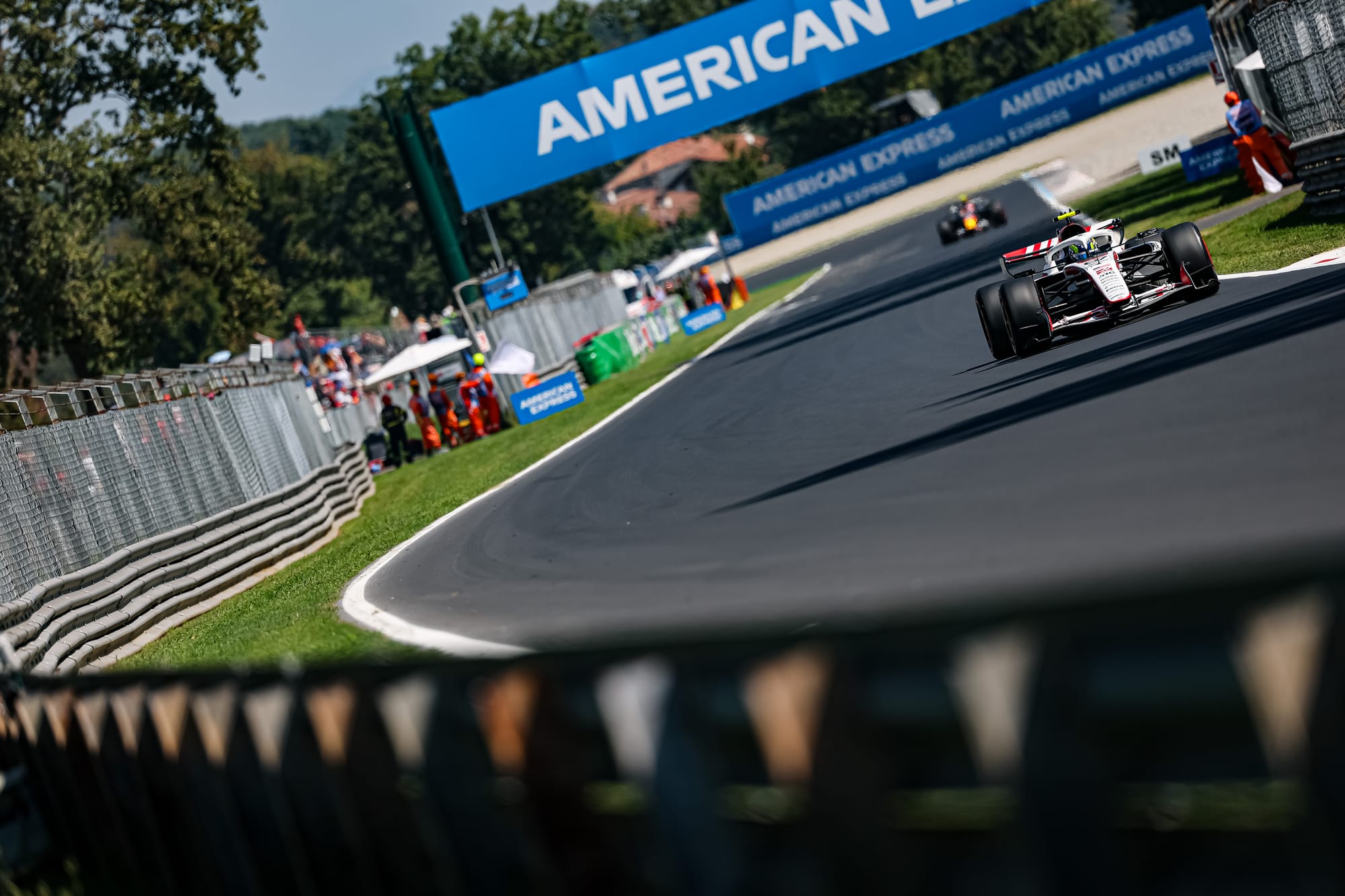
7. What Will The 2026 Cars Reveal About Sepang?
This will be the first time the current generation of F1 cars has raced at Sepang, leaving teams without a meaningful modern race database to fall back on.
Even drivers who have raced here before are returning with different machinery and tyres.
Simulator data can provide an initial reference, but teams will need to establish whether the real circuit behaves as expected. Surface grip, tyre temperatures, ride-height sensitivity and aerodynamic balance could all differ from pre-event predictions.
The race could therefore reward adaptability as much as outright pace. Teams that interpret practice data quickly, respond accurately to weather changes and protect their tyres could outperform rivals with faster but less consistent cars.
The Bigger Question
Sepang’s return is unusual because it combines a familiar circuit with an unfamiliar competitive environment.
The track has a long F1 history, but most of the current grid and every team are approaching it with limited recent data.
That makes the 2026 Bahrain Grand Prix in Malaysia a test of learning speed, tyre management and strategic judgement.
By the time the lights go out, the biggest advantage may belong not to the team with the best historical record, but to the one that understands Sepang fastest.