Most of us only think about our eyesight when something starts to feel off, when day-to-day tasks become difficult, such as being unable to see in the dark and experiencing gradual loss of side (peripheral) vision. These changes often begin quietly and gradually become harder to ignore, especially for people living with retinitis pigmentosa (RP).
RP is a rare genetic eye condition that affects the retina, which is the light-sensitive layer of the eye that causes progressive retinal degeneration, leading to night blindness and peripheral vision loss. While there is no cure yet, earlier diagnosis and proper care can help patients manage the condition better, maximise remaining vision and improve their quality of life.
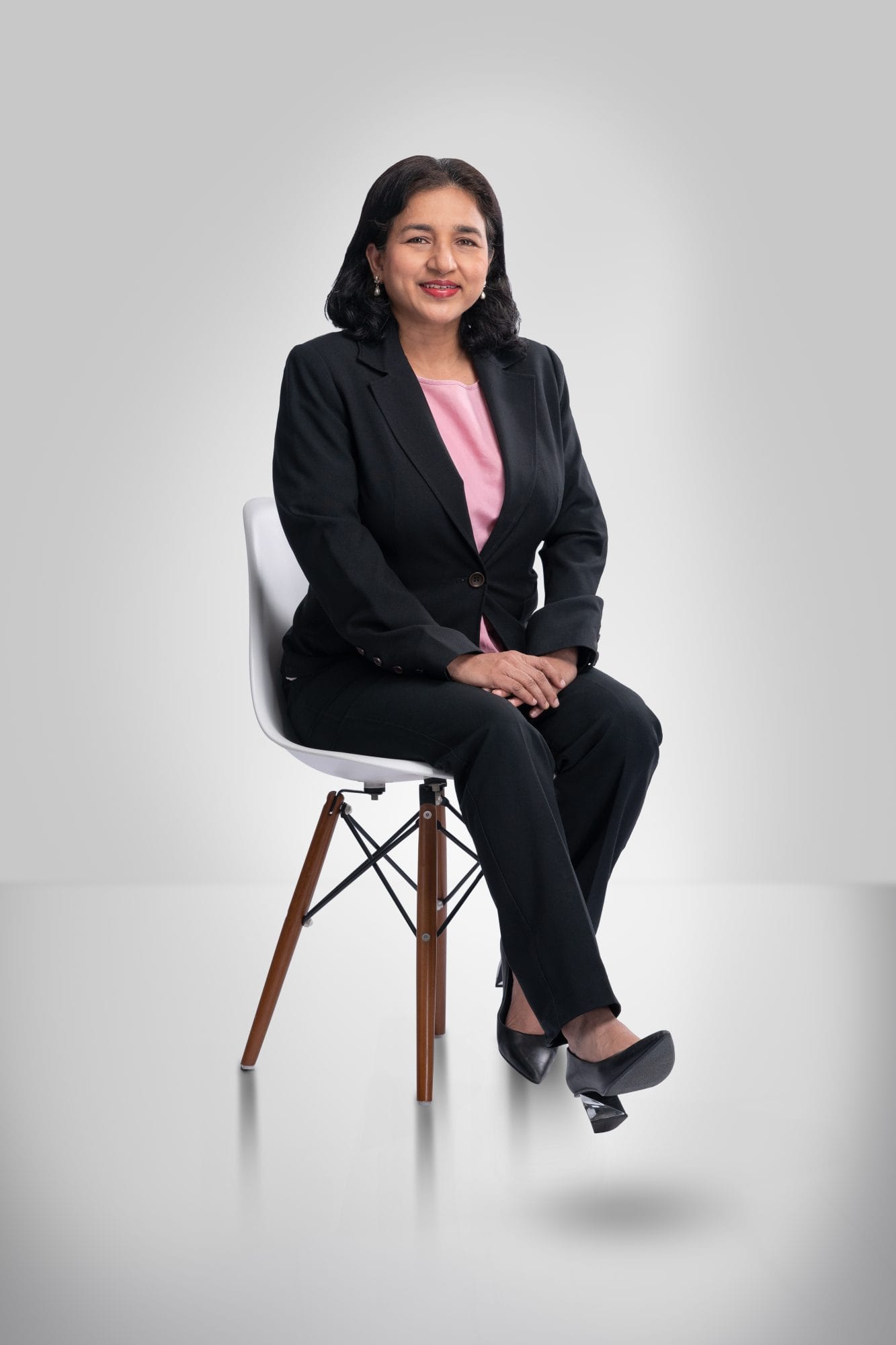
According to Dr Tara Mary George, Consultant Ophthalmologist and Medical Retina & Uveitis Specialist, and Dr Daphne Teh, Consultant Ophthalmologist and Medical Retina & Uveitis Specialist of Sunway Medical Centre, Sunway City (SMC), RP can present and progress differently in each individual.
“RP is not a single disease, but a group of inherited retinal conditions where the retina does not function properly from the beginning,” explains Dr Tara.
The retina works much like a processing centre that converts light into signals, so the brain receives it as vision. In RP, genetic mutations disrupt the process, especially in rod cells, which are responsible for seeing in low light and peripheral vision.
Because the condition develops gradually, symptoms are often overlooked. One of the earliest signs is difficulty seeing in dim environments. “A common clue is when someone struggles to navigate in a dark room, such as the cinema. When lights go off, most people’s eyes adapt quickly but someone with RP may take much longer or not adapt well at all. As the condition progresses, patients may start to have tunnel vision and bumping into things as everything on the sides is dimmed out,” Dr Tara shares.
Although RP is a genetic condition, no two patients experience it the same way. Some may develop symptoms in childhood, while others may only notice changes in their vision later in life.
This depends on the specific genetic mutation involved. “If more critical parts of the retina are affected, the symptoms appear sooner and are usually worse. In milder cases, vision changes may only become noticeable in adulthood,” Dr Tara explains.
Inheritance patterns can also differ due to their varied genetic causes. While some cases run in families, others may occur without any known prior history. This complexity is why RP is often referred to as an “inherited retinal dystrophy”. For this reason, both Dr Daphne and Dr Tara emphasised that early detection and timely care are important to help patients understand the disease, navigate life decisions and do whatever is possible to slow down progress.
Diagnosing RP goes beyond routine eye check. It usually begins with a detailed medical history, followed by specialised tests such as visual field assessments and optical coherence tomography (OCT) scans, which can detect early changes in vision and retinal structure.
In certain cases, an electroretinogram (ERG) may be used to measure retinal response to light. However, testing centres for ERG remains limited in Malaysia. “If you have ongoing night vision problems or difficulty seeing from the side, don’t just update your glasses. It is important to see an eye specialist for a proper assessment,” Dr Tara advises.
A diagnosis of RP can feel overwhelming, but care today is focused on helping patients adapt and continue living independently. According to Dr Daphne, management is both proactive and supportive.
“We monitor patients regularly to track progression and treat any complications that arise,” she says. Follow-up care may include vision testing, retinal imaging, and treatment for related issues such as cataracts or macular swelling.
Beyond clinical care, practical lifestyle adjustments such as improving lighting at home, reducing night driving, and organising living spaces for safety can help patients navigate daily life more confidently.

Early referral to low vision rehabilitation services is also key. “Patients who adapt early tend to cope better in the long term,” says Dr Daphne.
Advances in technology are transforming how patients with RP live and work. Tools such as digital magnifiers, text-to-speech software, and smartphone applications can assist patients read, recognise objects, and stay independent.
“There are apps today that use artificial intelligence to describe surroundings or read text aloud in real time. These can be life-changing, especially when introduced early,” Dr Daphne notes.
Equally important is emotional support. “Many people worry that an RP diagnosis means losing their independence. However, with the right support, many patients continue to study, work, and lead fulfilling lives,” she emphasises.
For those newly diagnosed, uncertainty is often the hardest part. Ongoing research, such as gene therapy, is opening up new possibilities for the future, but raising awareness is still the most important thing to make sure patients get the care and support they need.
Both specialists stress that knowledge, preparation, and support can make a huge difference. Take one step at a time by understanding the condition, seeking appropriate care, and exploring support services. Patients are not alone in this journey.