


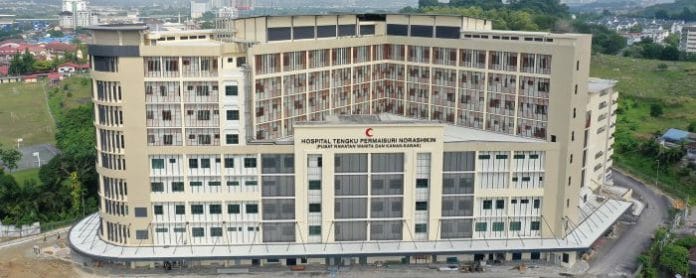
Malaysia’s RM47.7 billion healthcare allocation under Budget 2027 is a positive step towards strengthening public health services, but the RM1.2 billion increase may offer only limited relief from chronic underfunding, hospital congestion and rising treatment costs without deeper structural reforms.
Monash University Malaysia’s Brig Gen Prof Dr Mohd Arshil Moideen (Rtd) told BusinessToday that much of the additional funding would likely be absorbed by operational expenses, including salaries and allowances, rather than addressing the underlying pressures on the healthcare system.
While acknowledging the government’s commitment amid fiscal constraints, he cautioned that incremental spending alone would not resolve longstanding weaknesses in healthcare delivery.
He stressed that greater investment in primary and preventive healthcare, early disease detection and the management of non-communicable diseases would deliver stronger long-term returns than continuously expanding hospital capacity.
Strengthening community-based healthcare would also help reduce preventable complications and ease pressure on tertiary hospitals, he said.
RM280 Million To Ease Hospital Congestion And Expand Screening
Meanwhile, ProtectHealth Corporation Sdn Bhd welcomed the RM280 million allocation comprising RM80 million for PeKa B40 and RM200 million for outsourcing public hospital treatments to private healthcare facilities.
ProtectHealth Chief Executive Officer Wan Mohd Hazwan Wan Mohd Najib said the allocations would support preventive healthcare for lower-income Malaysians and improve access to treatment for patients facing prolonged waiting times.
PeKa B40 provides free health screening, medical equipment assistance and cancer treatment incentives to eligible Sumbangan Tunai Rahmah recipients and their spouses aged 40 and above.
Since its introduction in 2019, the programme has benefitted more than 2.22 million Malaysians as of Aug 31, 2026.
Wan Mohd Hazwan stressed that collaboration between public and private healthcare providers would be critical to translating the allocations into improved patient outcomes.
Outsourcing Offers Relief, But Not Long-Term Solution
Mohd Arshil said the RM200 million allocation for outsourcing treatments could help private healthcare operators utilise spare capacity, particularly for elective surgeries and diagnostic procedures.

However, he cautioned that the allocation was largely a short-term measure rather than a comprehensive solution to public hospital overcrowding.
He called for a more integrated national social health financing framework, potentially involving individual contributions, corporate participation and targeted government support to address major healthcare risks.
He also suggested exploring partnerships with social security institutions such as the Social Security Organisation to establish a more sustainable healthcare financing mechanism.
Permanent Appointments Alone Will Not Solve Doctor Shortage
On the government’s pledge to offer permanent positions to more than 9,000 contract doctors in 2027, Mohd Arshil said the move would provide greater workforce stability but would not necessarily resolve the country’s doctor retention challenges.
He said meaningful improvements would require clearer specialist career pathways, fairer on-call remuneration, manageable workloads and modern clinical facilities to reduce professional burnout.
He also called for stronger public-private collaboration in specialist training and workforce development.
MediAsas Raises Concerns Over Retirement Savings
Mohd Arshil also raised concerns over the introduction of the MediAsas health plan in January 2027, particularly the proposal allowing Employees Provident Fund (EPF) members below 55 to pay insurance premiums through the EPF’s Wellbeing Account savings.
While acknowledging the plan’s potential to expand access to basic private healthcare coverage, he warned that drawing on retirement savings could undermine long-term financial security.
He also cautioned that individuals might downgrade existing comprehensive insurance policies to cheaper plans, potentially leaving them underinsured against serious illnesses.
The proposal must therefore be assessed against rising medical inflation, Malaysia’s ageing population and growing demand for chronic disease treatment, he said.
Hospital Upgrades Must Deliver Measurable Results
Turning to the RM1.2 billion allocated for hospital maintenance and more than RM770 million for medical equipment, Mohd Arshil said the investments would help address ageing infrastructure and equipment replacement backlogs.
However, he warned that procurement spending alone would not guarantee improvements in healthcare services.
He urged the government to introduce measurable performance indicators covering medical equipment availability, diagnostic and treatment turnaround times, elective surgery waiting lists and preventable hospital readmissions.
He also suggested exploring equipment leasing arrangements and shared regional diagnostic facilities to improve cost efficiency.
Mohd Arshil stressed that the success of Budget 2027’s healthcare measures should ultimately be judged by improvements in patient access, treatment outcomes and the long-term sustainability of Malaysia’s healthcare system, rather than the size of the allocations alone.


